Cambodia’s exports to South Korea surge 23.5% to reach $34.6M in Jan
Cambodia’s exports to South Korea surge 23.5% to reach $34.6M in Jan
Officials attribute the uptick to deepening economic ties under the Cambodia-Korea Free Trade Agreement, which has helped reduce tariffs on a wide range of goods, facilitating greater market access for Cambodian agricultural and manufactured products.
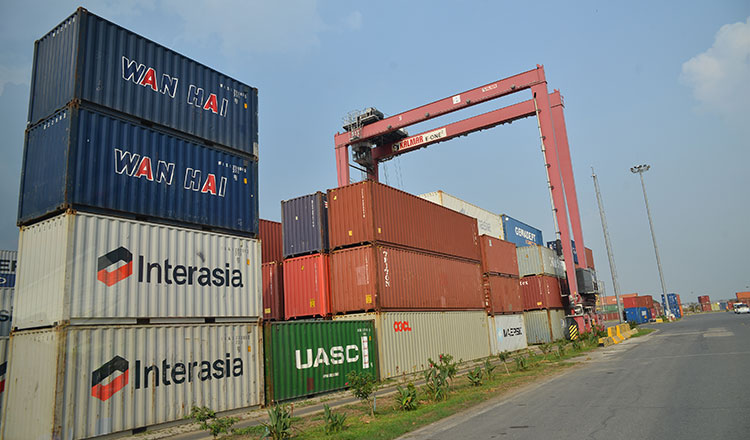
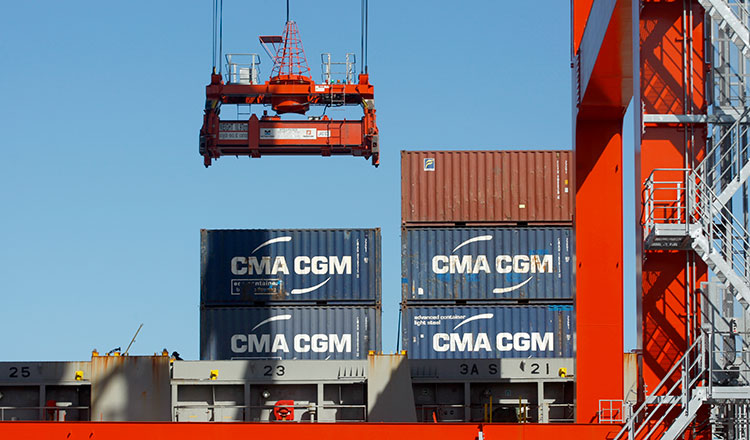
Cambodia’s exports to South Korea recorded a strong start to the year, rising 23.5 percent year-on-year to reach $34.6 million in January, according to trade data, released by the General Department of Customs and Excise (GDCE) recently.
The increase contributed to total bilateral trade between Cambodia and South Korea climbing to $83.7 million for the month.
Imports from South Korea also grew steadily, reaching $49 million in January, up 13.8 percent compared to the same period last year. While Cambodia continues to run a trade deficit with South Korea, the faster pace of export growth signals strengthening demand for Cambodian-made goods in the Korean market.
Officials attributed the uptick to deepening economic ties under the Cambodia-Korea Free Trade Agreement (CKFTA), which entered into force in late 2022. The agreement has gradually reduced tariffs on a wide range of goods, facilitating greater market access for Cambodian agricultural and manufactured products.
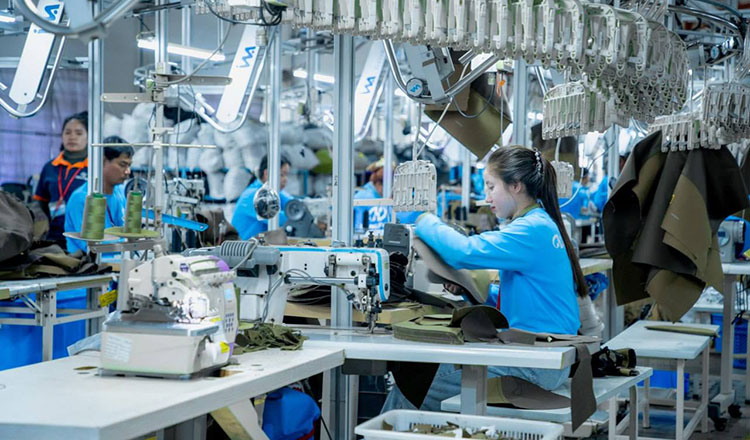
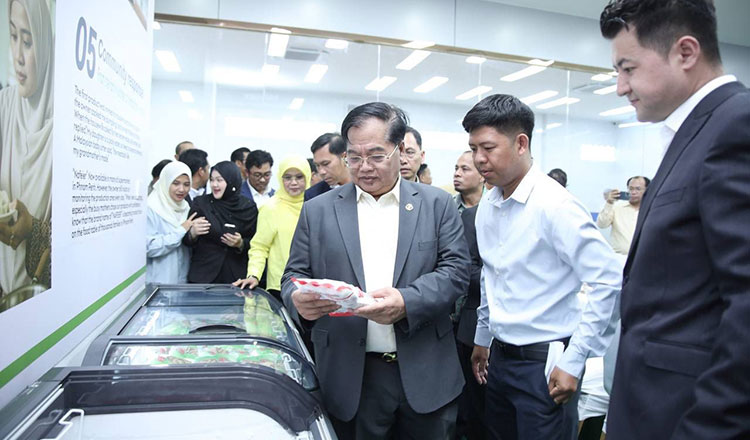
Garments, footwear, travel goods, and agricultural commodities such as mangoes and processed food products remain among Cambodia’s key exports to South Korea. Industry analysts say diversification efforts in recent years — particularly in agro-processing and light manufacturing — have helped Cambodian exporters tap into niche segments of the Korean consumer market.
On the import side, Cambodia continues to rely on South Korea for machinery, electronics, vehicles, construction materials, and industrial inputs. The 13.8 percent rise in imports reflects sustained domestic investment activity and infrastructure development projects, as well as growing consumer demand for Korean products.
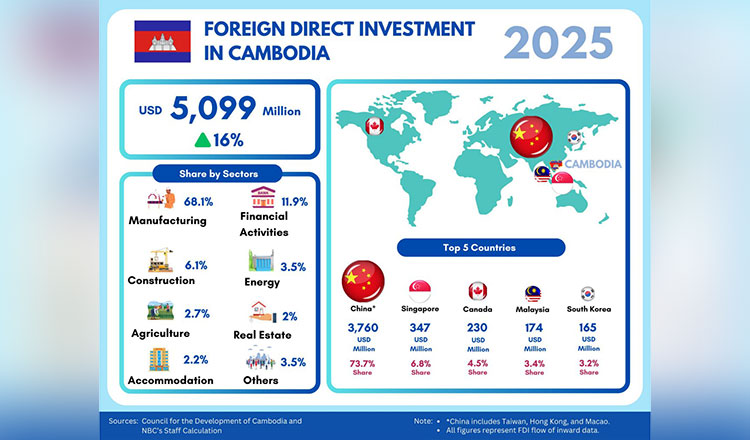
Economic observers note that South Korea remains one of Cambodia’s important strategic trade and investment partners. Beyond merchandise trade, Korean companies have maintained a visible presence in Cambodia’s banking, real estate, construction, and manufacturing sectors. South Korean investment has also supported vocational training initiatives and technology transfer programmes aimed at boosting local capacity.
The January figures come amid broader efforts by Cambodia to diversify its export markets beyond traditional partners in North America and Europe. Strengthening ties with Asian economies is seen as a key pillar of Phnom Penh’s long-term trade strategy, particularly under regional frameworks such as the Regional Comprehensive Economic Partnership (RCEP), which includes both Cambodia and South Korea.
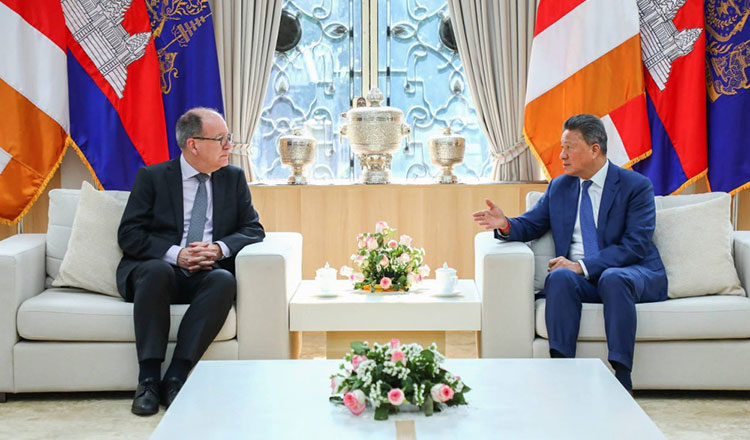
Currently, there are about 200 South Korean investors in Cambodia. “This clearly shows the good relations existing between Cambodia and South Korea,” newly-appointed ambassador of South Korea to Cambodia Kim Chang Yong said recently.
Official figures from the Ministry of Commerce showed that the bilateral trade between Cambodia and South Korea rose by nearly 10 percent to $923 million last year, in which Cambodia exported $326 million worth of goods to the East Asian nation.
Analysts caution, however, that global economic uncertainties — including fluctuating commodity prices and softer external demand in some markets — could pose challenges in the months ahead. Still, the strong January performance suggests resilience in bilateral trade flows.
Government officials have previously emphasised the importance of leveraging free trade agreements to boost small and medium-sized enterprise (SME) participation in export activities. Efforts are underway to improve product standards, logistics efficiency, and digital trade facilitation to ensure Cambodian businesses can better meet the requirements of developed markets like South Korea.
If the current trajectory continues, trade between Cambodia and South Korea is expected to expand further in 2026, supported by policy coordination, private-sector engagement, and deepening supply chain integration. The latest data underscores growing economic interdependence between the two Asian partners and highlights the potential for sustained growth in bilateral commerce.
- 10:57 19/02/2026