Cambodia shifts focus to skills and investment to rebuild border economies
Cambodia shifts focus to skills and investment to rebuild border economies
Cambodia is pivoting its border-development strategy from short-term humanitarian aid to a long-term economic engine to integrate nearly one million citizens who have returned from working in Thailand.
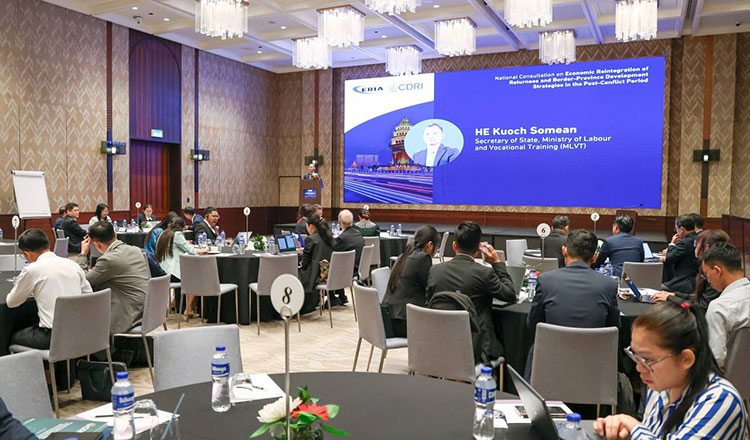
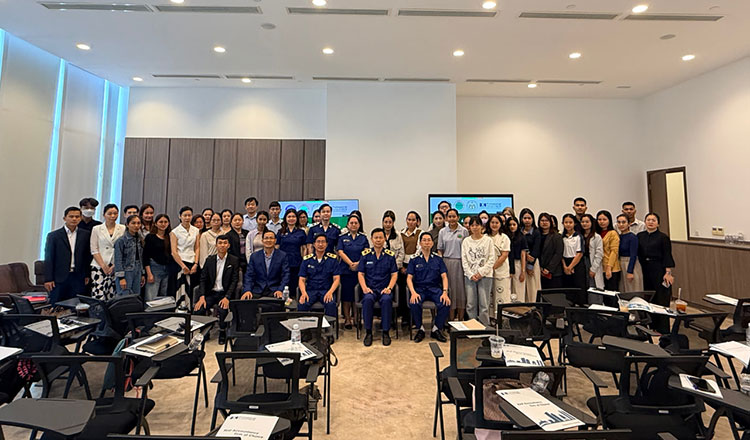
The Ministry of Labour and Vocational Training (MLVT) concluded a significant two-day national consultation workshop on Wednesday, outlining a plan to turn post-conflict border areas into high-productivity economic zones. The event, held from February 10–11, focused on expanding the workforce through intensive Technical and Vocational Education and Training (TVET).
Organised under the theme “Economic Reintegration of Returnees and Border-Province Development Strategies in the Post-Conflict Period,” the workshop was a collaborative effort between the Cambodia Development Resource Institute (CDRI), the Economic Research Institute for ASEAN and East Asia (ERIA), and various government stakeholders.
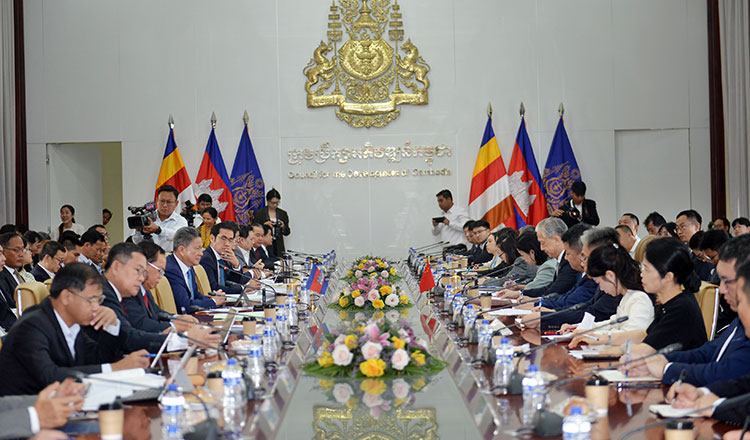
MLVT Secretary of State Kuoch Somean chaired the event alongside senior officials from the Ministry of Economy and Finance.
He told an audience of roughly 50 policymakers and researchers that the government intends to reframe the post-conflict landscape through actionable, market-driven solutions.
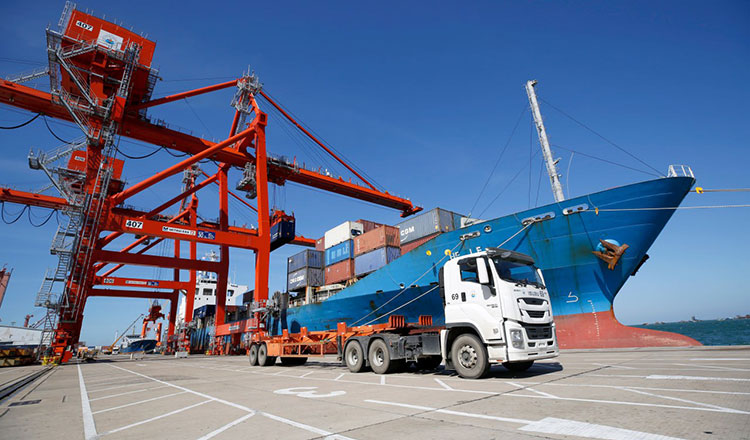
“Our main goal is to transform these areas into highly productive economic systems by promoting investment in agro-processing, light industry, and services,” Somean said. “This requires a dual approach: attracting capital while strengthening the workforce through TVET.”
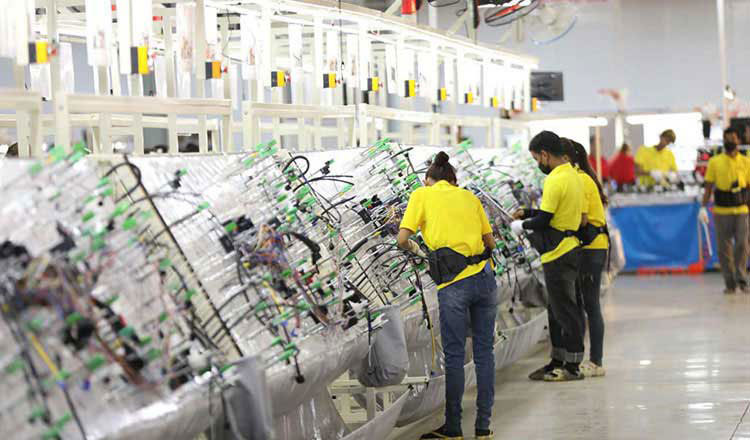
The transition occurs as Cambodia manages a significant demographic shift. By the end of 2025, data from the Government Spokesperson Unit showed that 957,622 citizens had returned to the country. While more than 620,000 have already secured employment through ministry-led initiatives, the government is now focusing on the remaining population to ensure sustainable livelihoods and prevent cycles of vulnerable migration.
The government’s strategy is anchored by the “1.5 Million TVET” programme—a flagship initiative prioritised by Prime Minister Hun Manet. MLVT spokesman Sun Mesa confirmed that the ministry has expedited the rollout of Level 1 (C1) technical certificates specifically for this demographic.
“By 2026, the first phase aims to provide specialised training to 25,000 migrant workers, particularly those under the age of 40,” Mesa told the Khmer Times. “The objective is a comprehensive reskilling and upskilling effort that matches returnees with the needs of local employers.”
To further lower barriers to entry, the ministry has launched a free Recognition of Prior Learning (RPL) assessment. This programme allows workers to have the practical skills they acquired while abroad formally certified, with a target of 10,000 certifications by 2026. This allows returnees to enter the domestic labour market at a professional level without having to start their training from scratch.
Beyond individual skills, the workshop addressed the structural needs of border provinces. The National Employment Agency (NEA) is being tasked with more than just job matching; it is now a vehicle for entrepreneurship. By encouraging returnees to establish small and medium-sized enterprises (SMEs), the government hopes to capitalise on the unique cross-border trade opportunities available in provinces adjacent to Thailand.
The consultation ended with a call for a shared diagnostic framework. This framework clearly outlines the roles of national authorities, the private sector, and development partners in building a resilient economic zone. By focusing on agro-industrial investment and professional certification, the Royal Government of Cambodia aims to turn the “returnee crisis” of previous years into an economic opportunity for the future.
- 08:26 13/02/2026