FTAs boost exports despite $420M revenue loss, Sopheap says
FTAs boost exports despite $420M revenue loss, Sopheap says
Even though waived tariffs mean more forgone customs revenue, the Kingdom’s overall trade remains strong.
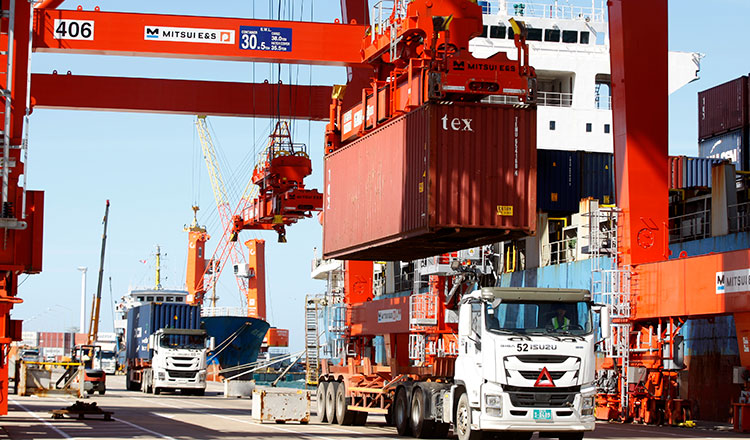
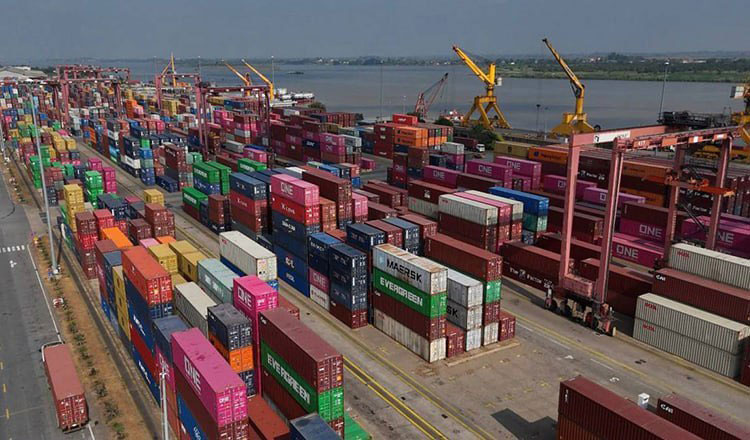
Cambodia’s growing use of free trade agreements (FTAs) boosted trade and exports in the first half of 2026, though it resulted in $420.51 million (1,688.72 billion riels) in forgone customs revenue.
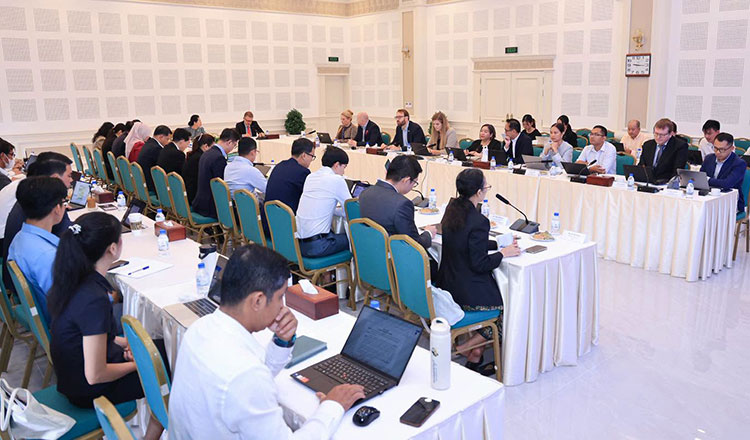
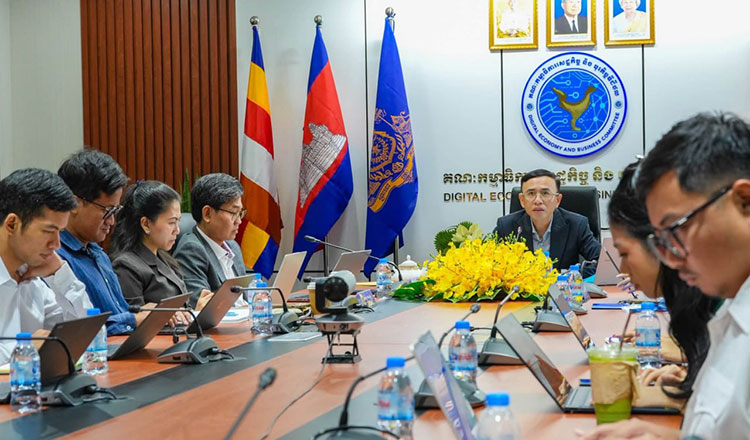
The figures were highlighted during a two-day workshop on the Implementation of Free Trade Agreements and International Customs-Related Agreements held on Tuesday and Wednesday at the National Customs School. The workshop brought together 50 customs and excise officials from relevant departments, branches and customs offices, along with officials from the National Audit Authority.
General Department of Customs and Excise (GDCE) Deputy Director-General Chan Sopheap said the program aimed to strengthen officials’ knowledge and capacity in implementing trade agreements and international customs commitments, according to the news statement of GDCE released yesterday.
The figure represents a 67.19 percent increase, or 678.65 billion riels, compared with approximately 1,010.07 billion riels in customs revenue forgone during the same period last year, according to the GDCE.
The workshop was organised under the GDCE’s 2026 annual action plan for customs reform and modernisation, within the framework of the 2026 Budget Strategic Plan. It also supports the third phase of the joint action plan under the Ministry of Economy and Finance’s Public Financial Management Reform Program.
Sopheap said the training provided an opportunity for officials to share knowledge on FTAs, international customs agreements and customs cooperation frameworks involving ASEAN, the Greater Mekong Subregion, the World Customs Organization and the World Trade Organization.
Cambodia’s deeper integration into regional and global markets has led to its participation in a growing number of trade agreements and international conventions. These include the ASEAN Trade in Goods Agreement, ASEAN-China, ASEAN-Korea, ASEAN-India, ASEAN-Japan, ASEAN-Australia-New Zealand, ASEAN-Hong Kong, the Regional Comprehensive Economic Partnership, Cambodia-China, Cambodia-South Korea and Cambodia-United Arab Emirates FTAs.
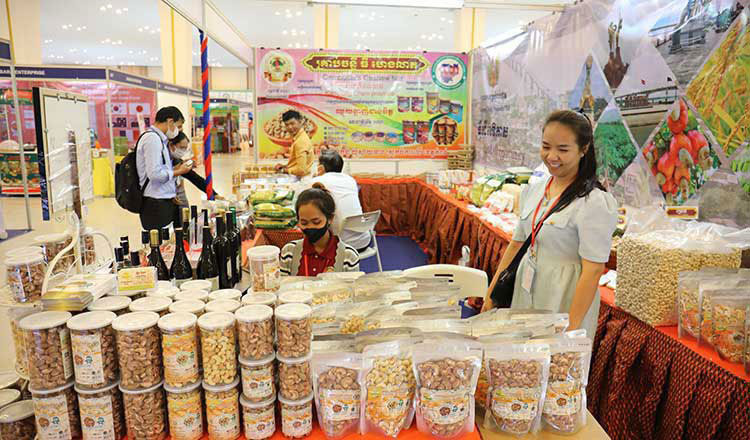
The agreements provide preferential trading arrangements that can reduce or eliminate tariffs on eligible goods, helping businesses access overseas markets and allowing importers to benefit from preferential treatment when sourcing products from partner economies.
Sopheap said the implementation of these agreements has also supported customs reform and modernisation, particularly efforts to simplify and harmonise customs procedures.
He highlighted the key roles of customs administrations in collecting government revenue, facilitating trade and protecting national security and social safety.
While the increasing value of customs revenue forgone reflects the greater use of preferential tariff arrangements, Cambodia’s trade performance has also continued to expand.
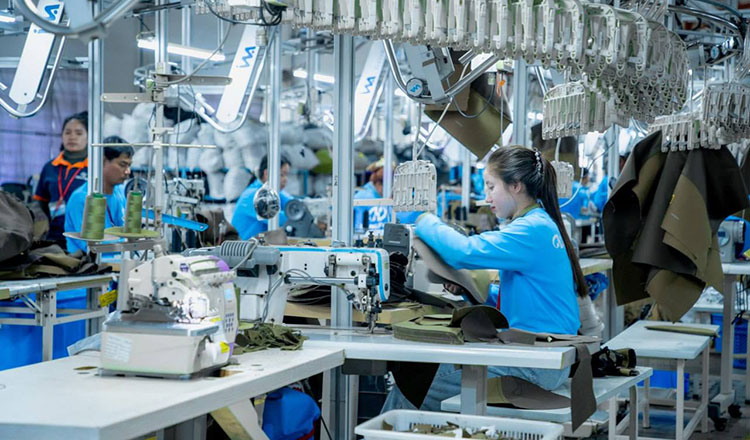
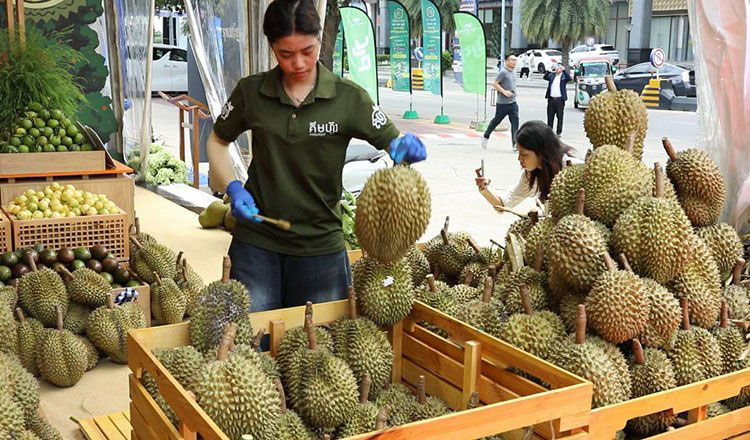
Cambodia’s exports reached $20.81 billion during the first seven months of 2026, representing a 21.3 percent increase compared with the same period last year.
The growth indicates that preferential trade arrangements are becoming increasingly relevant to Cambodia’s exporters as businesses seek to take advantage of improved market access and tariff preferences available under the country’s various trade agreements.
Sopheap also stressed the importance of bilateral and multilateral cooperation and making greater use of existing FTAs to support inclusive, resilient and sustainable economic development.
Cambodia is also actively negotiating additional FTAs and working to upgrade existing agreements, with the aim of expanding trade and investment opportunities and generating greater economic benefits for the country.
For customs officials, understanding the rules and procedures under each agreement is increasingly important as Cambodia’s trade network expands. Effective implementation can help businesses make better use of preferential tariffs while ensuring compliance with rules of origin and other customs requirements.
The workshop therefore focused not only on strengthening officials’ technical knowledge but also on supporting Cambodia’s broader efforts to modernise customs administration and facilitate international trade.
The two-day programme concluded with discussions and knowledge-sharing among participating officials, with the GDCE encouraging participants to apply the knowledge gained from the workshop to strengthen the implementation of trade agreements and customs procedures.
- 09:27 25/09/2026