Remittances from Cambodians in Japan surge 22.5% in 2025
Remittances from Cambodians in Japan surge 22.5% in 2025
Higher wages in Japan compared to regional alternatives have amplified remittance flows, making the country an increasingly important destination for Cambodian labour migration.

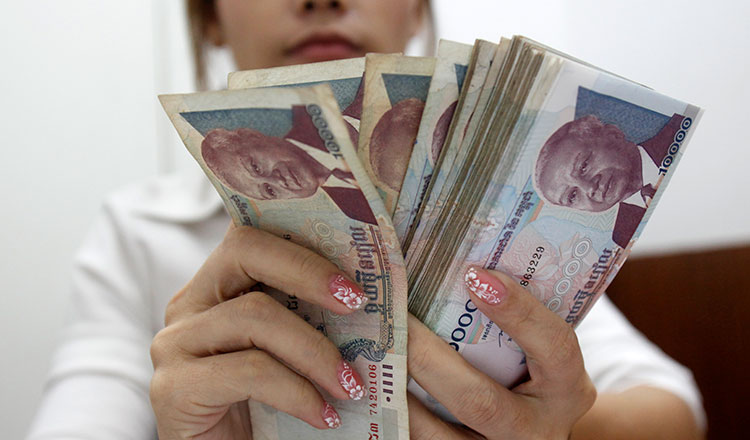
Remittances sent home by Cambodian workers in Japan surged by 22.5 percent in 2025, reflecting shifting labour patterns, stronger bilateral economic ties, and broader regional disruptions that reshaped migration flows.
According to the Financial Stability Review 2025 report released by the National Bank of Cambodia recently, the sharp increase comes amid an overall remittance inflow of $2.1 billion last year.
While Japan emerged as a growing source, transfers from traditional labour markets such as Thailand and South Korea declined.
Overall remittances of Cambodian workers fell markedly by 23.6 percent in 2025, following the border conflict with Thailand. While remittances from Thailand declined sharply by 28.4 percent, inflows from South Korea decreased by 5.2 percent.
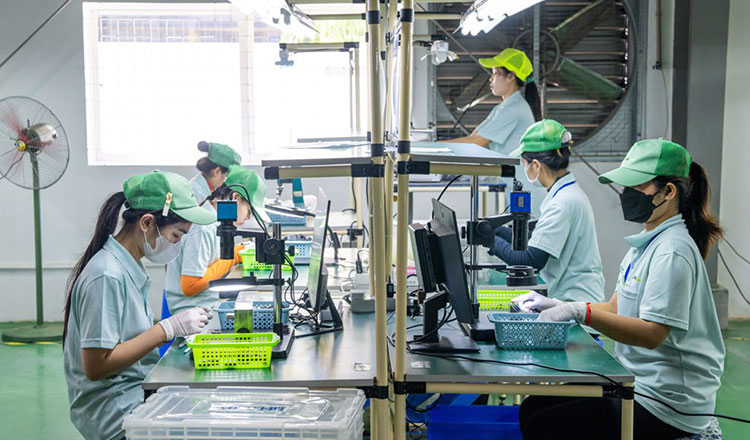
A key driver behind the increase in remittances from Japan is the steady expansion of Cambodian migrant workers in that country. Over the past decade, Japan has actively recruited foreign labour to address its ageing population and workforce shortages. Cambodian workers—particularly under technical intern and specified skilled worker programmes—have increasingly filled roles in manufacturing, agriculture, and services.
Higher wages in Japan compared to regional alternatives have further amplified remittance flows, making the country an increasingly important destination for Cambodian labour migration.
Deepening economic relations between Cambodia and Japan have also played a crucial role. Bilateral trade exceeded $2.5 billion in 2025, rising more than 17 percent year-on-year, while Japanese exports to Cambodia jumped significantly.
At the same time, nearly 500 Japanese companies are now operating in Cambodia, spanning sectors such as manufacturing, construction, and logistics. The expansion of Japanese investment has strengthened labour mobility channels and created clearer migration pathways for Cambodian workers seeking employment opportunities in Japan.
This growing economic integration has effectively reinforced a “migration corridor,” facilitating both the movement of workers and the flow of remittances.
Global supply chain adjustments have further contributed to the trend. Japanese firms have been diversifying production bases across Southeast Asia, increasingly incorporating Cambodia into regional manufacturing networks.
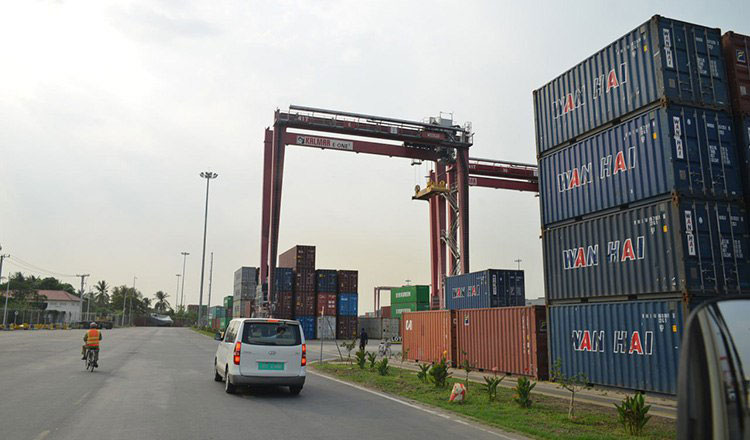
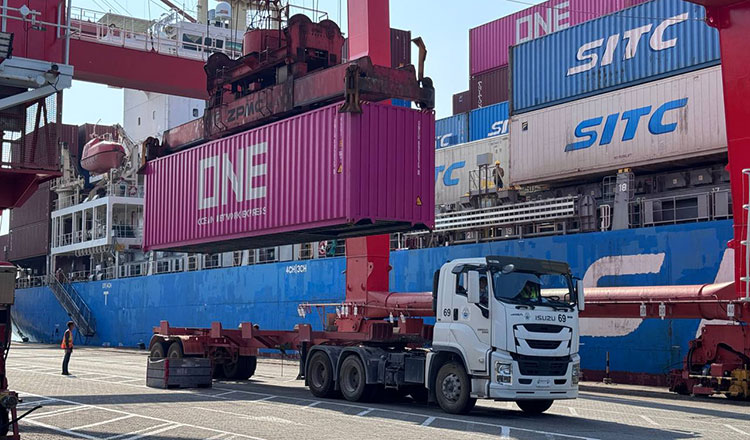
Additionally, Japanese government support for infrastructure and logistics in Cambodia, including port and customs upgrades, has strengthened economic linkages and indirectly supported labour migration flows tied to business expansion.
Finally, improvements in cross-border payment systems and financial services have made it easier and more affordable for overseas workers to send money home. Increased financial literacy and the use of digital remittance platforms have likely enhanced the volume and frequency of transfers.
Economists expect remittances from Japan to remain on an upward trajectory as labour demand persists and bilateral ties deepen. However, the sustainability of this growth will depend on Japan’s immigration policies, global economic conditions, and Cambodia’s ability to continue supplying skilled labour to overseas markets.
According to the Ministry of Labour and Vocational Training, as of December 2025, 433,594 Cambodian workers were working overseas, with 150,393 of them women.
The drop in remittances last year was largely linked to the repatriation of nearly one million Cambodian migrant workers following the Cambodia-Thailand border tensions in 2025.
According to the report, more than 620,000 workers of the returned workers were already employed in domestic job markets such as garment manufacturing and the informal sector.
- 08:05 01/04/2026