Asian economies including Cambodia to face war consequences
Asian economies including Cambodia to face war consequences
The conflict in the Middle East could lower economic growth in developing Asia and the Pacific by up to 1.3 percentage points over 2026-2027 and raise inflation by 3.2 percentage points if energy market disruptions last more than a year, according to new research by the Asian Development Bank (ADB).
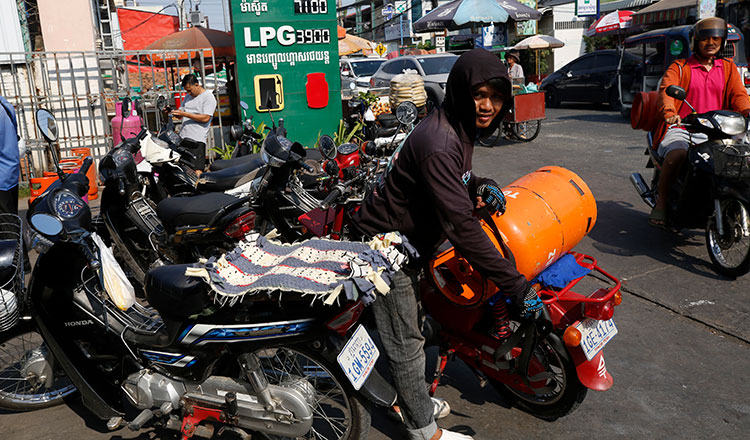
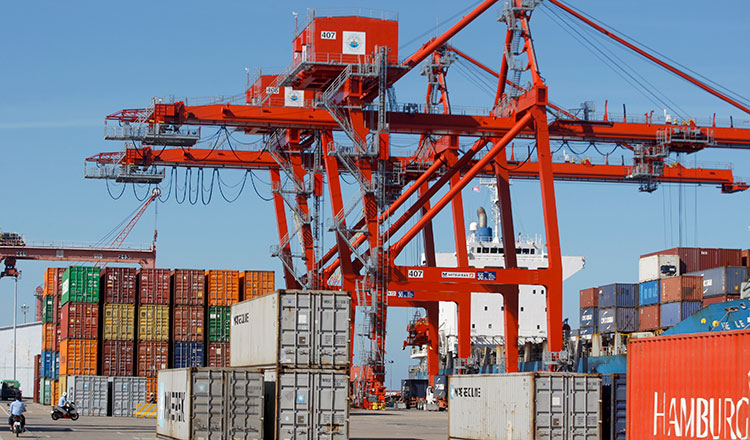
The conflict affects economies in Asia and the Pacific through higher energy prices, supply chain and trade disruptions, and tighter financial conditions. Tourism and remittances could also be impacted.
An ADB brief outlines three risk scenarios indicating that effects on the region’s developing economies will depend largely on the duration of disruptions. Under a short-lived conflict, energy price pressures would ease relatively quickly. More prolonged disruptions would lead to larger and more persistent impacts on growth and inflation.
Adverse effects on growth will be most severe for economies in developing Southeast Asia and the Pacific, with inflation rising highest in South Asian economies. The scenarios reflect the high degree of uncertainty around how the conflict and the associated disruptions will evolve, and should be treated with caution. In addition to higher energy prices, they account for broader supply chain disruptions and a global tightening of financial conditions.
“Prolonged energy disruptions could force economies in developing Asia and the Pacific to navigate a difficult trade-off between weaker growth and higher inflation,” said ADB Chief Economist Albert Park. “Governments should focus on containing market stress and protecting the most vulnerable, while adopting policies to improve longer-term resilience.”
The brief presents four key policy responses: Policies should focus on stabilization rather than suppression of price signals. Allowing higher energy prices to pass through, at least in part, can encourage energy conservation, fuel switching, and investment in alternative energy sources. Broad price controls or generalized subsidies risk distorting incentives, delaying adjustment, and misallocating resources.
Fiscal support, where needed, should be targeted and time-bound. Priority should be given to supporting vulnerable households and the most affected industries. Well-targeted measures can cushion the social impact of higher prices while containing fiscal costs and preserving incentives to adjust to the shock.
Central banks should focus on limiting excessive market volatility while keeping a close watch on inflation expectations. The priority should be to provide targeted liquidity support to preserve orderly market functioning. Tightening policy too aggressively risks amplifying growth headwinds and exacerbating financial volatility. While some tightening may be warranted, anchoring inflation expectations with effective central bank communication will remain key.
- 07:59 30/03/2026