Diesel price hike leaves transporters with limited options amid LPG crisis
Diesel price hike leaves transporters with limited options amid LPG crisis
Spike in diesel and LNG prices has correspondingly increased operating costs for transport operators, placing pressure on the sector and reducing drivers’ incomes as higher fuel expenses cut into earnings and daily profits.
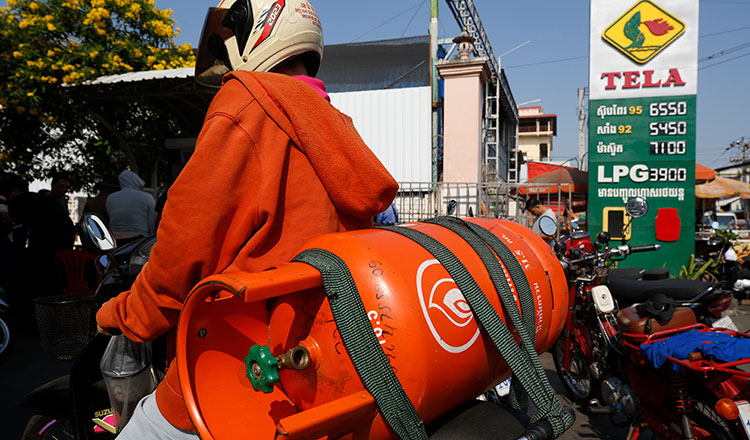
Mounting pressure is building on transport services as diesel prices surged to 7,100 riels ($1.77) per litre yesterday, just days after Sokimex, a major fuel supplier in Cambodia, announced the suspension of liquefied petroleum gas (LPG) supply from April 1. Experts say drivers may need to negotiate higher delivery fees or consider alternative employment.
According to the latest notice from the Ministry of Commerce (MoC), retail fuel prices continued to increase significantly, with diesel rising from 6,700 riels ($1.67) to 7,100 riels ($1.77) per litre, marking an 84.5 percent increase compared to 3,840 riels ($0.95) prior to the Middle East conflict.
Although regular petrol recorded a modest increase of 50 riels, the current price of 5,450 riels per litre represents a 41.2 percent rise compared to 3,860 riels ($0.96) before the conflict, posing continued challenges for citizens as travel costs keep rising.
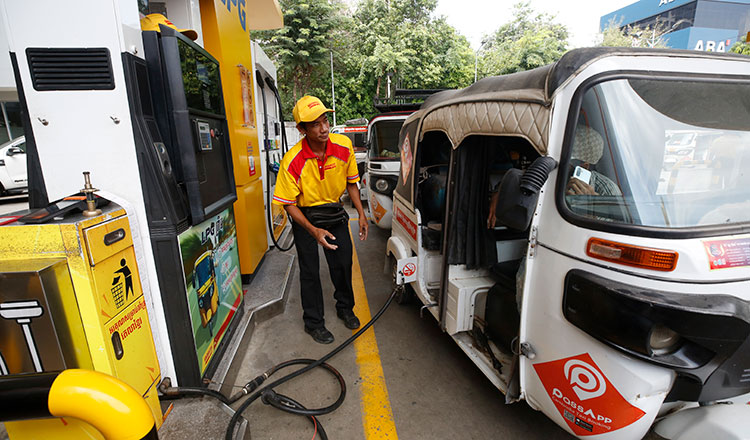
Following Sokimex’s announcement to suspend LPG supply on April 1, prices have surged from around 1,500-1,700 riels ($0.37–$0.42) per kilogram to between 3,200 and 4,000 riels ($0.80–$1.00), marking an increase of between 90.5 percent and 170 percent depending on the station.
Despite the sharp rise in prices, drivers have also raised concerns over the transparency of LPG volumes, reporting that a full tank now allows shorter travel distances compared to before the conflict, reducing income generated per trip.
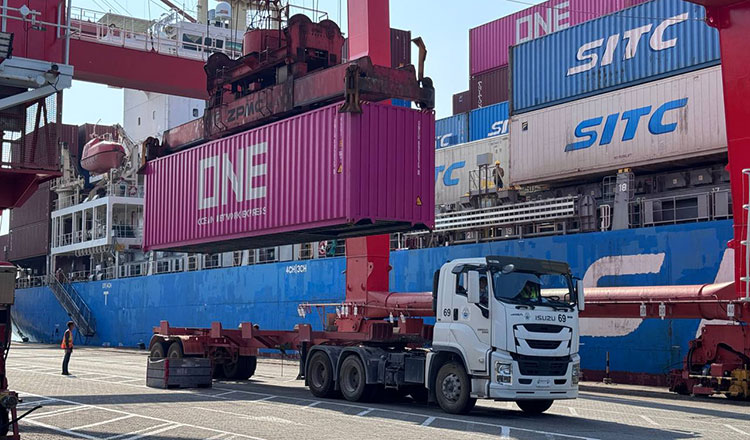
Speaking to Khmer Times, Chea Chandara, President of the Logistics and Supply Chain Business Association of Cambodia (LOSCBA), said that the Middle East conflict has significantly affected the Kingdom’s energy sector, particularly diesel prices, which are widely used for heavy vehicles such as machinery, trucks and buses.
He explained that since the conflict began, transport companies and drivers have been requesting delivery fee increases ranging from 15 to 30 percent. “As per the latest request, they are demanding price increases of between 25 and 30 percent from buyers,” he said.
Chandara emphasised that if customers do not accept the higher charges, transport firms and individual drivers may be forced to park their vehicles while waiting for fuel prices to ease, or seek alternative employment. “There is no point working just to pay for fuel,” he said.
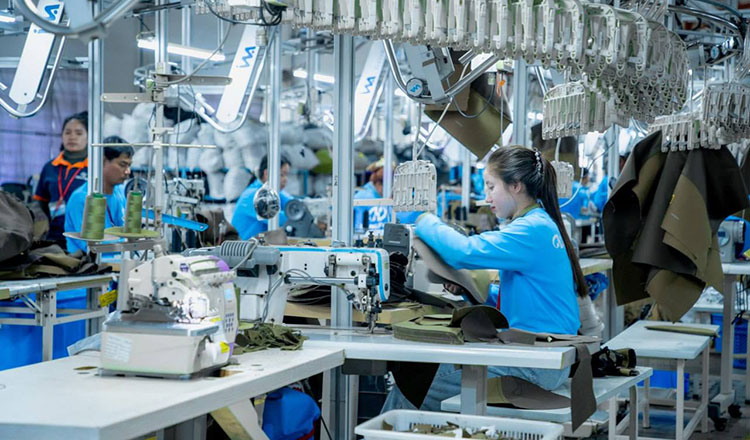
When asked about the impact on production, he noted that rising diesel prices are slowing industrial activity, which could eventually lead to higher prices for daily consumer goods. “However, it has not yet reached a critical point,” the LOSCBA President added.
On Sunday, Sokimex announced that prolonged regional instability has severely disrupted global petroleum and LPG supply chains, preventing LPG imports since early March, and that the company will temporarily suspend LPG supply from April 1 until further notice.
Rising diesel and LNG prices, which are primarily used for machinery, trucks and buses, are increasing operating costs for transport operators, placing pressure on the sector and reducing drivers’ incomes as higher fuel expenses cut into earnings and daily profits.
- 08:21 27/03/2026