LMC celebrates decade of growth with $500 billion in trade, expanding regional impact
LMC celebrates decade of growth with $500 billion in trade, expanding regional impact
The Lancang-Mekong Cooperation marks its 10th anniversary as a key mechanism driving economic expansion, connectivity, and development in six countries.
The Lancang-Mekong Cooperation (LMC) framework is marking its 10th anniversary with strong economic gains and deepening regional ties, as trade between China and Mekong countries surpasses $500 billion while hundreds of development projects continue to deliver tangible benefits across the sub-region.
The framework has emerged as a significant platform that promotes economic and social development, enhances connectivity, reduces development disparities, and fosters shared prosperity among nations connected by one of Asia’s most vital rivers.
With the First Leaders’ Meeting held on March 23, 2016 in Sanya, Hainan Province, the LMC mechanism brings together China and the mainland Southeast Asian countries of Cambodia, Laos, Myanmar, Thailand, and Vietnam, which are connected by the Mekong River. The initiative aims to strengthen regional cooperation in areas such as infrastructure, water resources, agriculture, trade, environmental protection, and people-to-people exchanges.
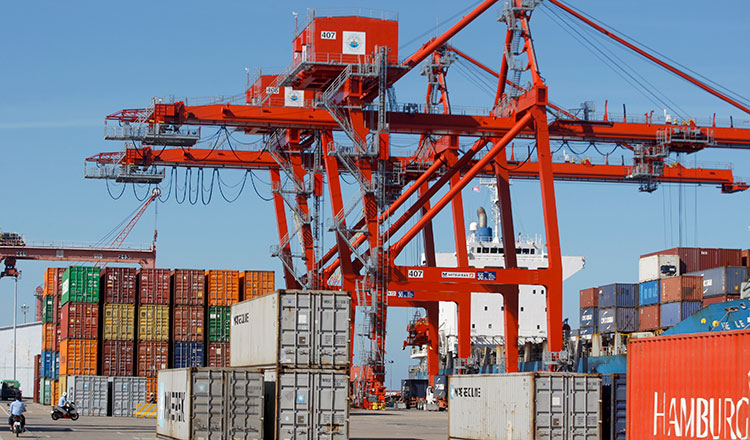
Chinese Foreign Ministry spokesman Lin Jian said in a March 23 press conference that over the past decade, under the guidance of President Xi Jinping and leaders of Mekong countries, China has built a community with a shared future with Mekong nations bilaterally, with trade exceeding $500 billion—an increase of 150% compared to a decade ago.
“Thousands of small and smart projects, such as the LMC Bumper Harvest projects and the Lancang-Mekong Sweet Spring Action, have been implemented and delivered tangible benefits for the people. The six countries have jointly carried out the Safe Lancang-Mekong operations to uphold security in the region,” he said.
To celebrate a decade of success while looking ahead, this year’s LMC Week will be held under the theme “Jointly Forging Lancang-Mekong Cooperation 2.0,” with more than 170 events to be organised by Chinese ministries, local governments and diplomatic missions.
Lin said the events will focus on three key areas. Industry seminars and experience-sharing sessions will be held on green and low-carbon growth, as well as poverty alleviation through agricultural development. Innovation cooperation will be promoted through youth competitions and exchange programmes. To serve the public, the programme will feature the Brightness Project, non-profit medical services, a film week, and art festivals.
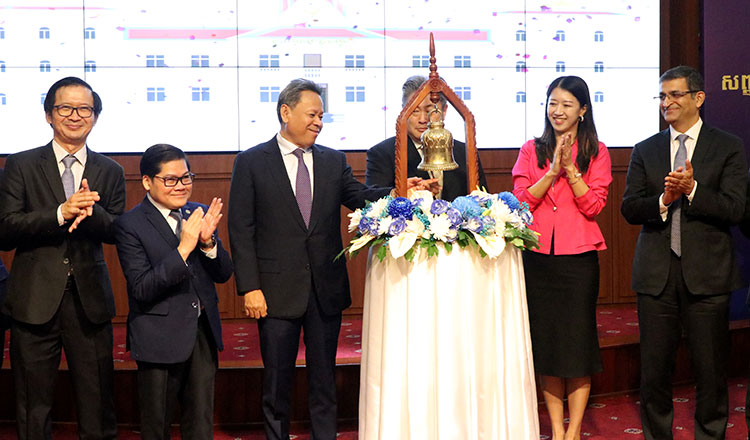
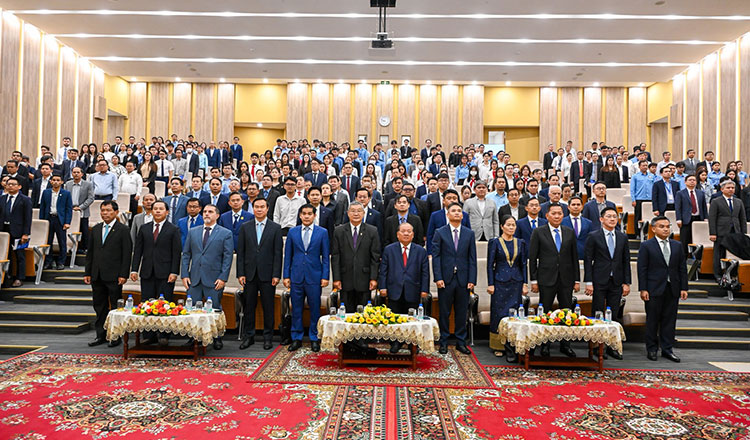
In Cambodia, LMC Week has begun. The “Night of LMC” reception was held on March 20, co-organised by the Ministry of Foreign Affairs and International Cooperation and the Chinese Embassy in Phnom Penh.
A fun run will be held in Norea City Phnom Penh as part of LMC Week.
On the occasion of the anniversary, Cambodian Foreign Affairs and International Cooperation Minister Prak Sokhonn sent a congratulatory message highlighting the strong friendship, partnership, and practical collaboration among the six member countries that are advancing peace, stability, shared prosperity, and sustainable development.
He noted that the steady progress of the LMC has been guided by a robust institutional framework that turns strategic vision into meaningful outcomes.
“A cornerstone of the LMC’s success is the LMC Special Fund, which has supported hundreds of practical, people-centred projects across diverse sectors, including rural development, water resource management, agriculture, environment, education, mine action, tourism, cultural heritage, women’s empowerment, and youth development.”
Since 2017, Cambodia has received 106 projects funded by the Special Fund. These initiatives have improved livelihoods, strengthened national connectivity, and enhanced rural development.
Sokhonn thanked the Chinese government for its generous and continued support of LMC projects, noting that it has significantly advanced Cambodia’s development priorities and strengthened sub-regional cooperation.
On March 23, Foreign Minister Wang Yi called for an upgraded version of the LMC mechanism that focuses on solidarity, openness, green innovation, and peace, to usher in a new “golden decade” of regional cooperation, according to a China Daily report.
He said the strong growth of the LMC over the past decade has been underpinned by three key principles: neighbourliness, friendship, and a shared future; maintaining a focus on development to serve the people; and advancing innovation while exploring new frontiers.
One of the key frameworks guiding the LMC is the Five-Year Plan of Action (2023–2027). The plan builds on achievements made since the mechanism was launched in March 2016 and follows the successful implementation of the previous action plan covering 2018–2022.
Kin Phea, Director-General of the International Relations Institute of Cambodia, said the LMC has brought significant benefits to the region.
“Since its establishment in 2016, the LMC has become an important platform for sub-regional development, guided by the principles of equal partnership, shared leadership, mutual benefit and common prosperity,” he said.
He said LMC plays a crucial role in supporting the development of its member states, including Cambodia.
“For Cambodia, the mechanism has produced tangible benefits through the LMC Special Fund, which has supported nearly 90 projects nationwide in areas such as rural development, agriculture, healthcare, education and infrastructure,” he said.
“These initiatives have improved livelihoods, including providing safe drinking water to more than 50,000 rural residents and reducing electricity costs through renewable energy projects such as the national solar park. The cooperation also strengthens regional connectivity, poverty reduction and disaster management capacity.”
The Mekong originates from China’s Qinghai-Tibet Plateau in Yushu, Qinghai Province, where it is known as the Lancang River. After flowing out of Yunnan, it becomes the Mekong River, passing through five ASEAN member states. The 4,880-kilometre river basin covers about 795,000 square kilometres and supports around 326 million people.
The five Mekong countries are home to about 230 million people, with a combined GDP of over $600 billion and an average annual growth rate of nearly 7%, according to official data.
- 08:24 27/03/2026