Cambodia’s ASEAN trade rises to nearly $15B in first 11 months
Cambodia’s ASEAN trade rises to nearly $15B in first 11 months
The latest trade figures underscore Cambodia’s growing integration within ASEAN, while highlighting the need for continued reforms to strengthen its export base and long-term competitiveness.
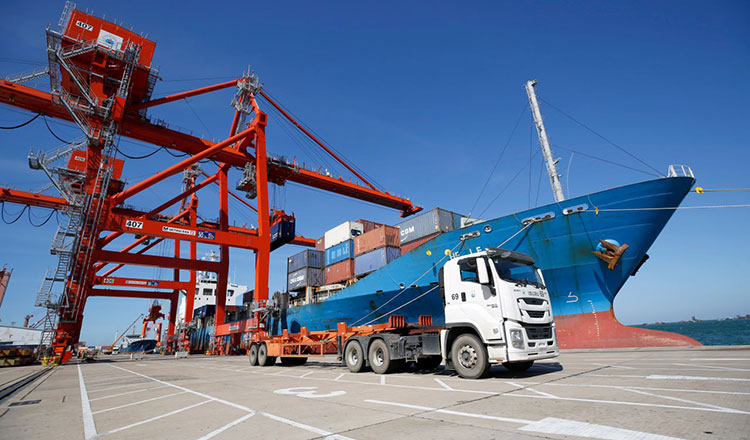
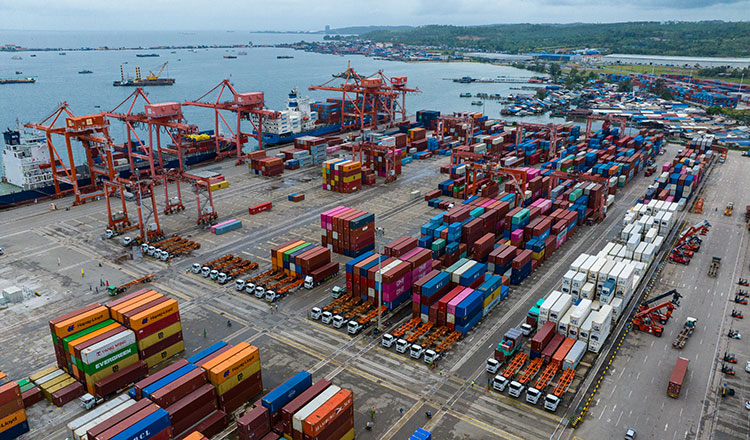
Cambodia’s trade with its ASEAN partners amounted to $14.94 billion in the first eleven months of 2025, representing a year-on-year increase of 3.76 percent, according to an official report issued by the Ministry of Commerce (MoC) on Friday.
During the January-November period, the Kingdom exported goods valued at $5.13 billion to other ASEAN member states, an increase of 8.89 percent compared with the same period last year.
Imports from the bloc reached $9.8 billion, up 1.26 percent year-on-year, the report said.
Trade with ASEAN accounted for 25.27 percent of Cambodia’s total trade volume of $59.13 billion in the first eleven months of 2025, highlighting the regional grouping’s significant role in the country’s external trade.
Vietnam, Thailand, Singapore, Malaysia and Indonesia were Cambodia’s five largest trading partners within ASEAN over the period.
The Association of Southeast Asian Nations (ASEAN) comprises Brunei, Cambodia, Indonesia, Laos, Malaysia, Myanmar, the Philippines, Singapore, Thailand, Vietnam and Timor-Leste.
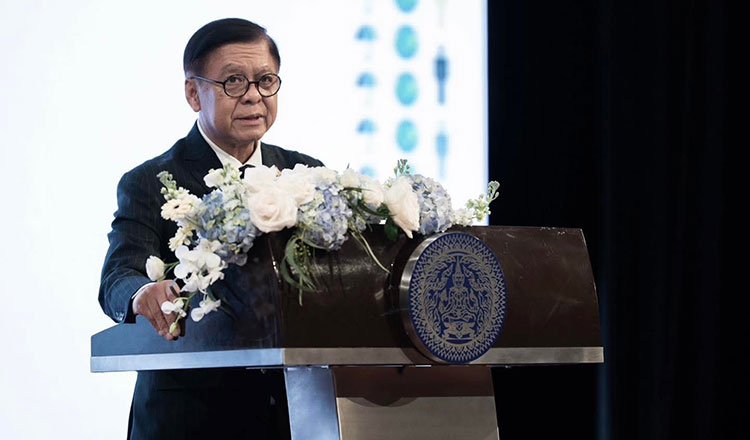
Speaking to Khmer Times, Lor Vichet, Vice-President of the Cambodia Chinese Commerce Association (CCCA), said the figures highlight a positive shift in Cambodia’s trade dynamics within the regional bloc.
“Based on the data, imports grew by just over one percent, while exports rose by nearly 10 percent, which is a sign of absorption and attraction,” he said, referring to Cambodia’s improving export performance.
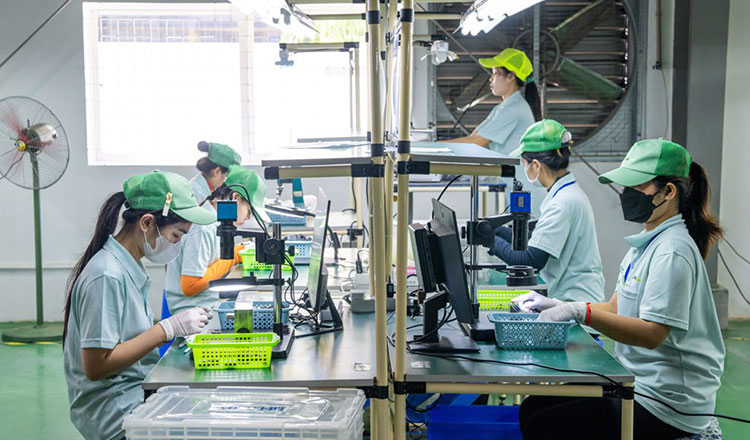
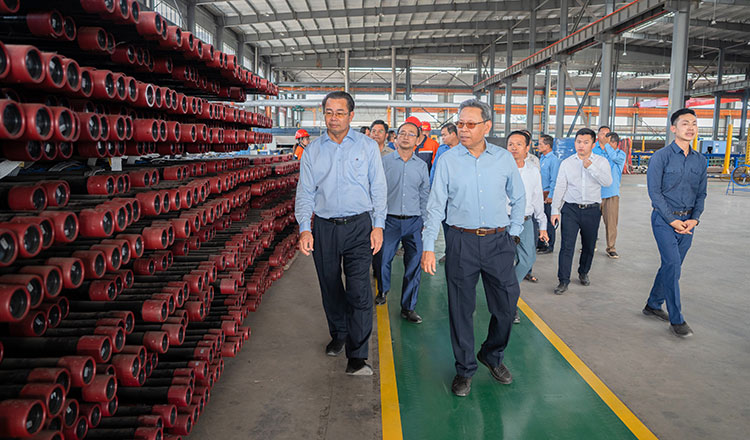
Vichet noted that the manufacturing sector remains the largest contributor to exports, with significant foreign shareholding. Key export products include garments, footwear and travel goods (GFT), as well as bicycles, automotive parts and solar panels.
“To support manufacturing, Cambodia needs well-developed special economic zones with suitable infrastructure and competitive labour costs,” he said.
He attributed the sector’s growth to several structural advantages, including Cambodia’s young population, political stability and investor-friendly laws, particularly regulations allowing 100 percent foreign ownership. He added that ongoing government investment in infrastructure—encompassing air, water and land connectivity—has further strengthened investor confidence.
However, Vichet stressed that more work is needed to sustain and accelerate export growth. “Based on the data, we must work harder to increase exports further by improving competitiveness and productivity,” he said.
He also called for continued efforts to diversify exports, including further infrastructure development, improved connectivity—especially at seaports—reduced bureaucracy, more competitive pricing and smoother logistics for cross-border trade.
“Another important point is that Cambodia should develop a strong national product with a clear national brand. This would support targeted export diversification,” Vichet added.
Latest trade figures underscore Cambodia’s growing integration within ASEAN, while highlighting the need for continued reforms to strengthen its export base and long-term competitiveness.
Cambodia’s rising exports to fellow ASEAN member states are being underpinned by the strategic use of regional and bilateral free trade agreements, according to a senior business representative.
Lim Heng, Vice-President of the Cambodia Chamber of Commerce, said the effective implementation of frameworks such as the ASEAN Free Trade Area, the Regional Comprehensive Economic Partnership (RCEP) and various bilateral FTAs has opened new opportunities for Cambodian exporters.
“These agreements provide access to new markets, attract investment by offering trade preferences, and promote economic growth for Cambodian businesses,” Heng told Khmer Times.
Data from MoC show that Cambodia’s main exports to ASEAN include garments, footwear, travel goods and bags, as well as higher-value products such as solar panels, car tyres and electronics.
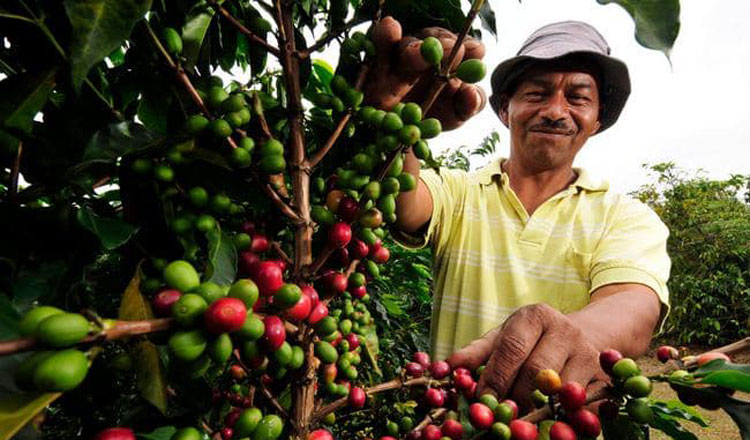
Agricultural commodities also remain significant, with rice, cashew nuts, rubber latex, cassava, durians and bananas among the key items shipped to regional markets.
To help businesses fully capitalise on these trade arrangements, MoC officially launched the Cambodia Free Trade Agreement (FTA) Portal, a new digital platform aimed at strengthening trade networks.
Funded by Australian Aid through the Cambodia-Australia Partnership for Resilient Economic Development (CAPRED) programme, the online portal has been established to improve access to trade-related information, enabling users to search, understand the benefits of the free trade agreements to which Cambodia is a party.
- 08:05 31/12/2025