Promulgation of 2026 budget law authorises govt to collect $7.5B
Promulgation of 2026 budget law authorises govt to collect $7.5B
Promulgation of the finance law provides the legal basis for budget execution in the coming year and underlines the government’s commitment to maintaining fiscal discipline while supporting economic management and development priorities.
A Royal Decree dated December 17, 2025, has promulgated the Law on Finance for Management 2026, authorising the Royal Government to collect more than 30.28 trillion riels (over $7.5 billion) in revenue for the 2026 fiscal year, according to the Ministry of Economy and Finance’s (MEF) statement on Friday.
Under the law, revenue will be paid into the national budget from fiscal, non-fiscal and other sources, in line with the approved budget framework and allocations to ministries and institutions.
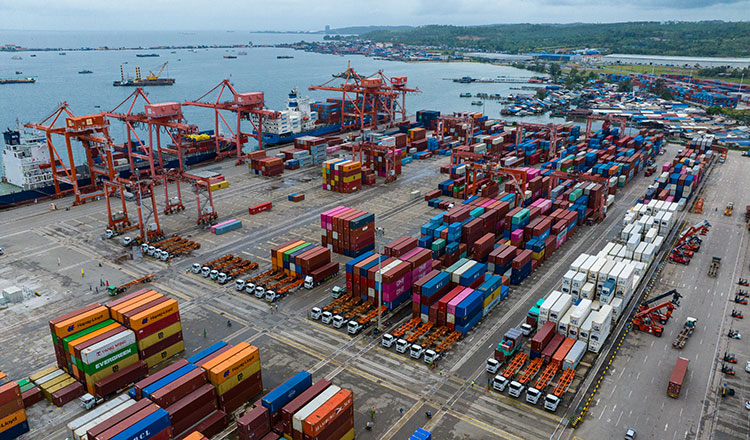
Fiscal revenue is projected to account for the largest share, totalling 25,341,342 million riels (over $6.3 billion), reflecting the government’s continued reliance on tax and customs collections as the backbone of public finances.
Non-fiscal revenue is estimated at 3,864,095 million riels (over $966 million), while other revenue sources are expected to contribute 1,080,677 million riels (over $270 million).
The promulgation of the 2026 finance law provides the legal basis for budget execution in the coming year and underlines the government’s commitment to maintaining fiscal discipline while supporting economic management and development priorities.
Cambodia’s fiscal system has become increasingly resilient and predictable, underpinned by steady improvements in tax collection and ongoing reforms, according to business leaders and economists speaking to Khmer Times.
Anthony Galliano, Group CEO of Cambodian Investment Management Holdings and Vice-President of the American Chamber of Commerce in Cambodia (AmCham Cambodia), said Cambodia’s revenue structure reflects patterns seen across frontier and emerging markets, where governments rely heavily on taxes, social contributions and grants.
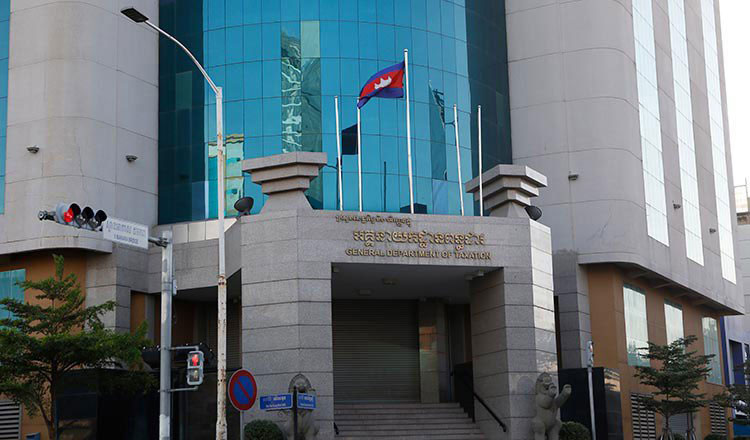
“Cambodia’s General Department of Taxation (GDT) has reliably achieved not only dependable growth in tax collection over the last decade, despite at times unfavourable economic conditions, but also broadened the tax base and dramatically increased enforcement,” Anthony told Khmer Times.
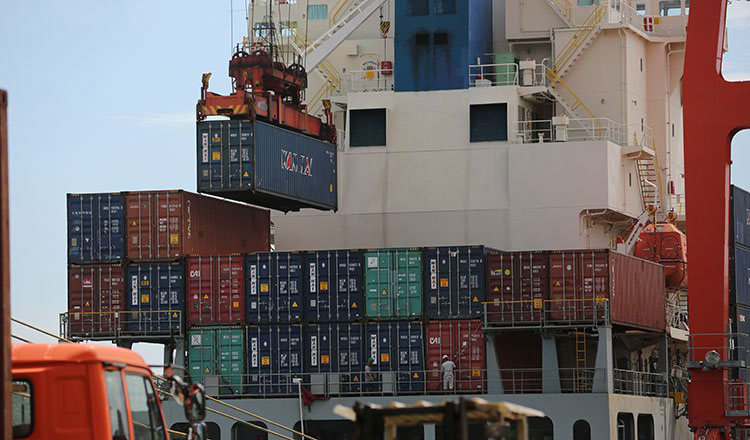
He noted, however, that free trade agreements have reduced tariff revenue per eligible import, weighing on collections by the General Department of Customs and Excise (GDCE). “This intensifies reliance on the GDT, as GDCE revenue is likely to continue to be challenged while Cambodia strives to diversify its trading partners,” he said.
Anthony said there remains significant scope for the government to diversify its revenue base. Property taxes, he argued, are “incredibly low”, with a strong case for wider application and stricter enforcement. Capital gains taxes were also described as “low-hanging fruit” that could provide a meaningful boost to revenue, particularly if the current generous fixed-percentage cost method is revised.
He added that accelerating digital compliance, including wider use of e-invoicing, would help reduce leakage and expand the tax base. Beyond taxation, Anthony suggested that privatising certain state-owned enterprises in areas such as utilities, transport and logistics, telecommunications and the financial sector could both deepen capital markets and significantly diversify government revenue sources.
On the social and economic front, Anthony warned that the government faces immediate challenges, including population displacement linked to border tensions and rising unemployment.
“Maintaining social stability will obviously be a priority,” he said, adding that global trends towards increased military spending may also influence policy decisions.
Looking longer term, he stressed the importance of workforce development. “I view reskilling as a critical factor for the nation’s future. We must move from a low-tech, low-complexity manufacturing economy to a mid- to high-tech hub to compete with our ASEAN neighbours,” Anthony said.
Separately, economist Darin Duch told Khmer Times that the 2026 budget, which is largely based on fiscal revenue, signals a mature and more rules-based income system.
“Taxes and customs collections reflect expanding economic activity, better compliance, and ongoing reforms under the Revenue Mobilisation Strategy. This is sustainable in the long term as long as economic growth continues,” he said.
Darin added that the approval of more than $7.5 billion in revenues would strengthen macroeconomic stability and expand fiscal space, allowing the government to prioritise strategic spending.
“Increased revenues also reduce reliance on borrowing, promote fiscal discipline, and help the government to accommodate external shocks while maintaining growth,” he noted.
He also pointed to opportunities to enhance non-fiscal revenues through the digitisation of public service fees, improved performance of state-owned enterprises and the expansion of public-private partnerships, measures he said could improve efficiency while further diversifying revenue sources.
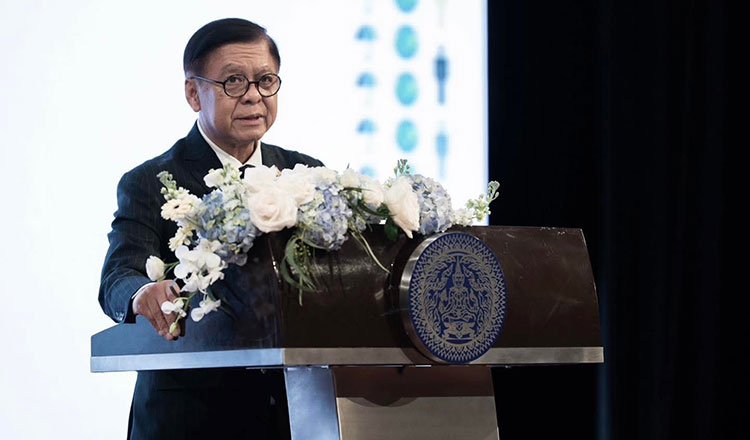
Deputy Prime Minister Aun Pornmoniroth, Minister of Economy and Finance, said recently that the Law on Finance for Management 2026 was drafted at a time when the Royal Government of the Seventh Legislature is continuing its mission to safeguard national sovereignty, protect territorial integrity, maintain peace and stability, and accelerate socio-economic development and reform in pursuit of upper-middle-income status.
He explained that the preparation of the 2026 budget was influenced by a range of pressures, including a downward trend in state revenue and rising expenditure needs such as national defence, pensions, social protection programmes, investment incentives and debt servicing. These challenges have been compounded by the depletion of government savings following the prolonged impact of the COVID-19 pandemic and other external shocks.
Despite these constraints, he said the 2026 budget was formulated in a balanced and sustainable manner, without drawing on the remaining government savings. The spending plan is aligned with the medium-term public finance framework for 2026-2028 and reflects the government’s policy priority of improving budget efficiency to support stability and economic growth, safeguard national sovereignty, strengthen human capital development, advance public administration reform and drive structural reforms underpinned by strong governance.
- 08:06 30/12/2025