Cambodia smells opportunity in coffee value chain
Cambodia smells opportunity in coffee value chain
Kingdom is urged to capitalise on its favourable northeastern terrain and rising domestic demand to expand coffee cultivation and perk up the local economy.
If experts are to be believed, the Cambodian economy can be full of beans—coffee beans to be precise.
Phnom Penh is being urged to capitalise on the economics of coffee, drawing on the natural advantages of its northeastern highlands and the resurgence of nationalism sparked by tensions with Thailand.
The message was the essence of a forum held at the Royal University of Agriculture (RUA) under the theme, “Promoting Investment Incentives, Sharing Cultivation Techniques, and Value-Added Processing”, organised by the university in cooperation with the Cambodia Coffee Association.
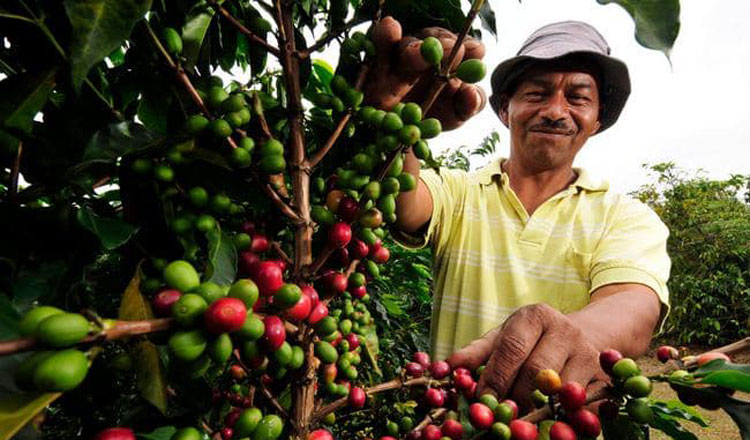
The Kingdom’s coffee production is small but growing, with estimates putting it around 300-400 tonnes annually—mostly of the robusta variety—from around 500 hectares of land, mainly in Mondulkiri.
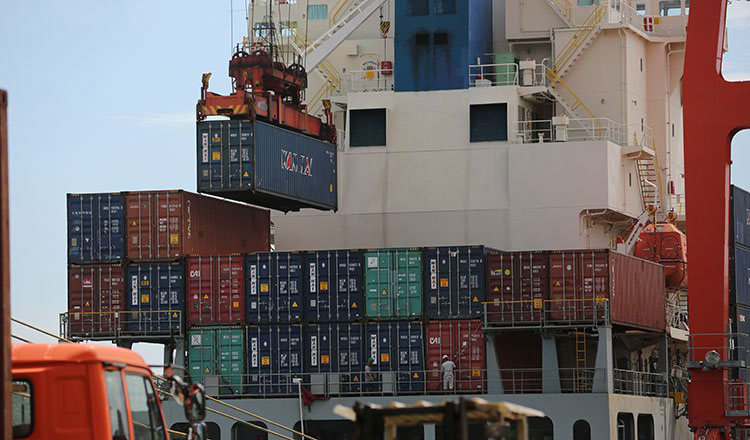
The country imports over 90% of its coffee from neighbours like Vietnam and Laos to meet demand, though the government aims to expand cultivation to reduce imports and potentially export, leveraging favourable climate and rising domestic consumption.
Senate Second Vice-President and honorary president of the Cambodia Coffee Association Thun Vathana emphasised in his lecture at the forum that while the Kingdom has long relied on coffee beans imported from Thailand and Vietnam, the recent boycott of Thai products—sparked by the Cambodia–Thailand dispute and Thailand’s invasion and aggression—has created a golden opportunity for the growth and promotion of locally grown beans.
Vathana describes the opportunity as the “Khmer solution.”
“Before the conflict, Cambodia imported products from Thailand. At present, Cambodia is importing from Vietnam instead. However, Cambodia should cultivate, process, and package products domestically—from farm to finished goods—and that this effort must begin now,” he said
Vathana, who holds a doctorate in agricultural economics from Nagoya University in Japan, said coffee is important for the economy because it generates income, jobs, exports, and knock-on development effects across the value chain—from farms to cafes.
“When you drink coffee, you also put in sugar, milk and so on, which is good because it also drives other products,” said Vathana, former director of the Prek Leap National Institute of Agriculture.
“We may not be able to compete with the biggest producers, such as Vietnam, but the sector has the potential to grow, contribute to the economy and create jobs for the local workforce.”
Cashew milk, a new product developed by Cambodia, will see an increase in demand if the coffee industry here expands, he added.
According to Vathana, for developing economies, coffee—one of the most traded agricultural commodities in the world—helps diversify agriculture away from low-value or single-crop dependence, making the economy more resilient to shocks.
“Coffee is a high-value cash crop. Once mature, coffee plantations can generate several times more revenue per hectare than paddy rice, especially when beans are processed and sold as speciality or premium coffee,” he said.
Vathana stressed that Cambodia’s coffee sector requires ideas, research, and collaboration, urging students, scholars, and investors to actively engage with the industry.
“I urge students and scholars to explore Cambodia’s coffee sector with curiosity and dedication,” he said. “Rather than focusing on challenges and problems, we should work together, sharing ideas and solutions, so that this sector can reach its full potential and benefit our communities.”
Undersecretary of State at the Ministry of Economy and Finance, and Permanent Deputy Chair of the Working Group on Investment Promotion in the Northeastern Region Sim Vireak said the government’s policy on coffee beans focuses on boosting domestic production, reducing import reliance, and developing a strong local industry by supporting farmers.
Key initiatives, he added, involve tax incentives for agricultural businesses, facilitating microfinance loans, promoting sustainable farming (agroforestry), and establishing processing facilities.
Cambodia imports around 10,000 tonnes of coffee annually, which would require a cultivation area of approximately 5,000 hectares based on a yield of two tonnes per hectare.
- 08:18 29/12/2025