Cambodia pushes supply chains, processing and logistics
Cambodia pushes supply chains, processing and logistics
The Royal Government is deepening its global economic integration to secure vital markets. By pursuing new bilateral and regional free trade agreements, Phnom Penh aims to lock in preferential tariffs and aggressively boost export volumes.
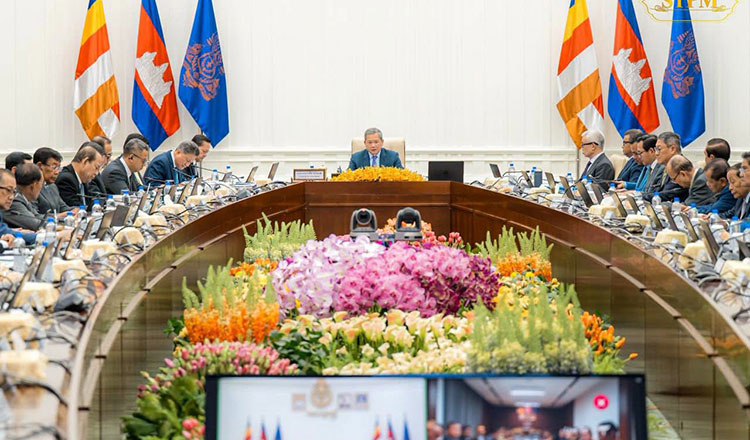
The government is intensifying efforts to strengthen domestic supply chains, diversify export markets, boost local processing and improve transport infrastructure as Cambodian products reach 177 countries, with exports recently rising 18 percent to nearly $35 billion.
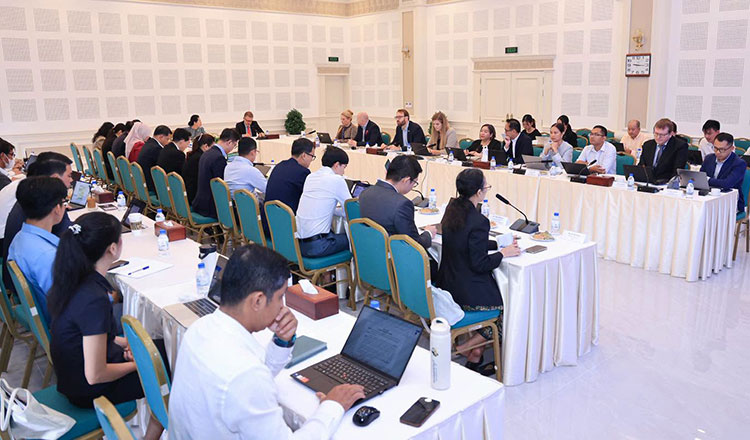
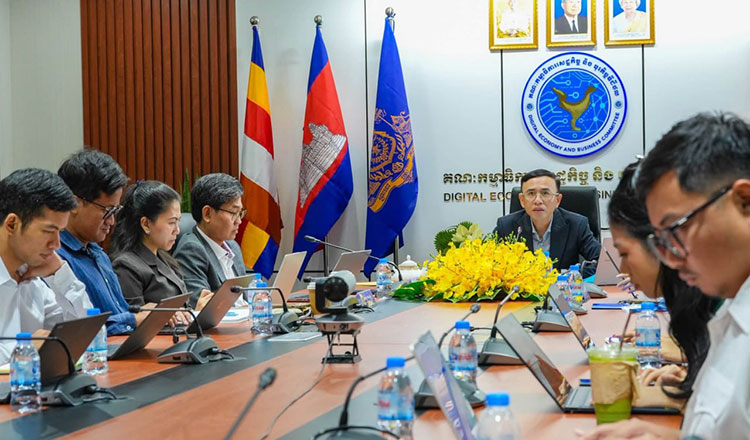
According to a press release from the Royal Government Spokesperson Unit regarding the results of the Cabinet Plenary Meeting chaired by Prime Minister Hun Manet on Friday at the Peace Palace, the meeting discussed and decided on three key agendas, including the draft official statistics policy 2026-2035, a progress report on promoting domestic market supply chains and linking to international markets and a progress report on the logistics sector.
The press release stated that to ensure suitable domestic and international markets for Cambodian products, the government will continue to integrate deeply into the regional and global economy, seek new markets offering preferential tariffs through negotiating bilateral, regional, and multilateral free trade agreements, and boost exports.
The Ministry of Commerce (MoC) is actively advancing its mission through a series of key priorities. The ministry is driving institutional reforms, improving governance, and simplifying public services through digitalisation. To boost competitiveness, it is diversifying export markets, advancing digital commerce, and enhancing the local business climate based on principles of equality, transparency, and integrity. Furthermore, the MoC is expanding private sector development and accelerating regional and global trade integration to meet evolving market demands.
“Cambodia’s exports to the global market during the 7th Legislature of the National Assembly have shown steady growth, rising from nearly $23 billion to nearly $26 billion (up 14.23 percent), then to nearly $30 billion (up 15.07 percent), and recently reaching almost $35 billion (an 18.04 percent increase), despite a complex, shifting global and regional context marked by geopolitical tensions, regional conflicts, changes in the global economic order, energy crises, supply chain disruptions, and climate change,” the press release read.
The source added that connecting to international markets is being driven through trade preference systems and trade agreements, with Cambodia continuing to diversify export-import markets by strengthening existing markets and expanding new ones, and exports have expanded to 177 countries.
“Exports to these major partner markets have added value to agricultural products and expanded domestic supporting industries by maximising the benefits of trade agreements, which serve as a crucial catalyst in narrowing the trade deficit and promoting sustainable economic growth,” it added.
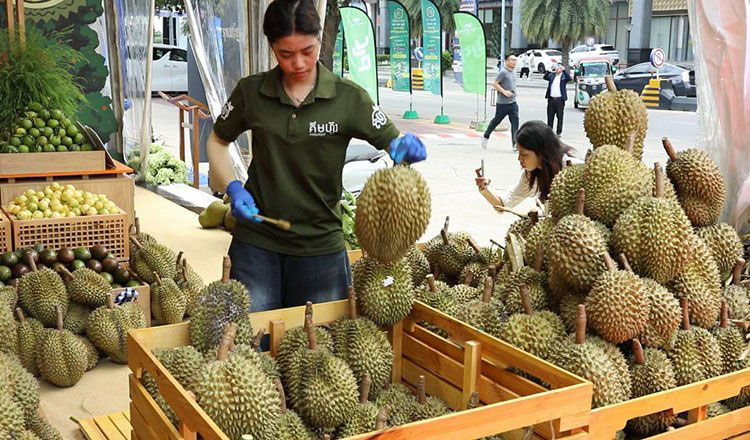
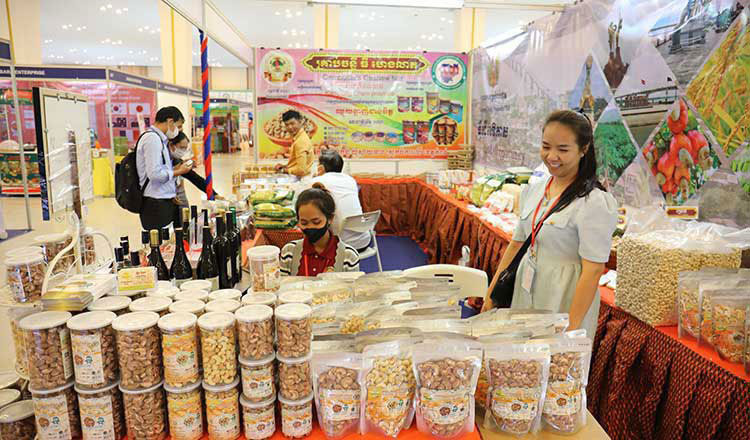
At the same time, the government continues to push for market diversification, enhance domestic processing capacity, and strengthen the national agri-food value chain. The MoC is actively moving forward with its “Made in Cambodia” campaign to propel processed agricultural products into high-end markets and global retail giants.
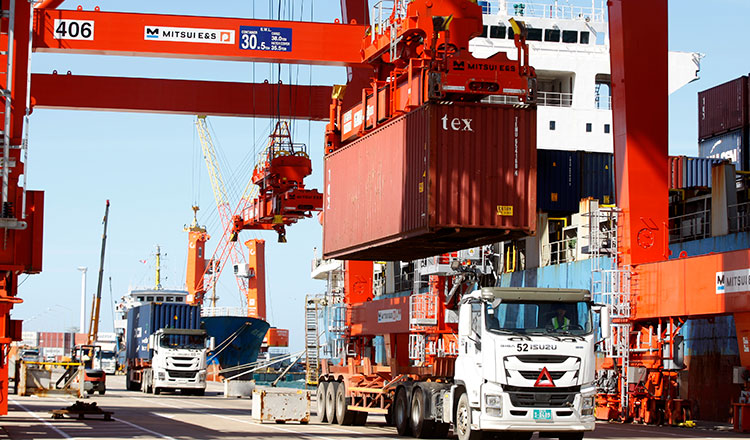
The press release highlighted that with support from various development partners such as Japan International Cooperation Agency, the World Bank, and the People’s Republic of China, the government prepared the Comprehensive Master Plan on Cambodian Intermodal Transport and Logistics System 2023-2033.
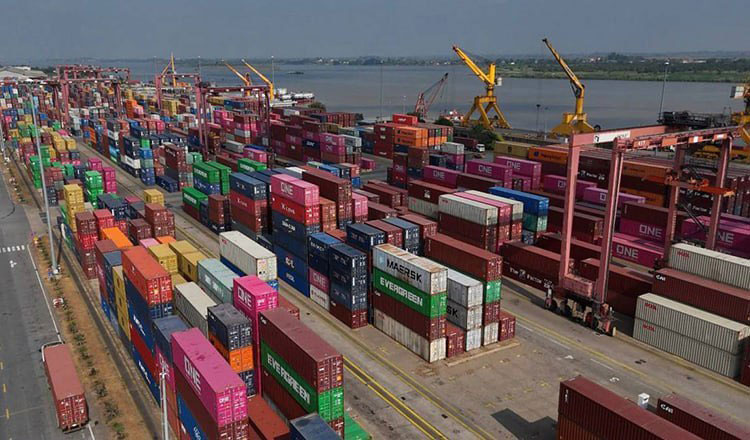
The highlight of this 10-year master plan is the integration of all transport modes — roads, railways, waterways, airways, ports, multimodal transport, and logistics — into a single comprehensive master plan comprising 174 projects (both soft and physical infrastructure) with an investment budget of approximately $36.6 billion.
Meanwhile, the Ministry of Public Works and Transport is drafting the “Law on Logistics” to manage and drive progress in the sector efficiently. Logistics data also plays a critical role, not only for measuring progress but as an essential compass for evidence-based policy formulation and strategic planning.
Deputy Prime Minister and First Vice-Chairman of the Council for the Development of Cambodia, Sun Chanthol, posted on his social media on Friday that logistics and transport remain a top priority sector for the Royal Government of Cambodia.
- 07:49 28/09/2026