AmCham raises alarm over Thai military threats to Cambodian ports
AmCham raises alarm over Thai military threats to Cambodian ports
Any move to restrict maritime access to Cambodian ports would have severe consequences for American businesses, families and the wider Cambodian economy.

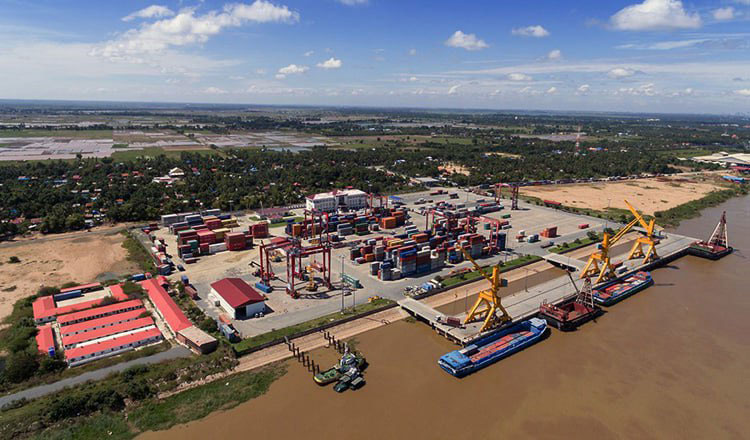
The American Chamber of Commerce in Cambodia (AmCham Cambodia) has formally expressed deep concern to the United States Embassy in Phnom Penh over recent statements by the Thai military suggesting the possible designation of Cambodian ports as “high risk” and the potential blockade of fuel and other sea-borne shipments to the Kingdom.
In a letter dated December 15, 2025, addressed to Bridgette Walker, Chargé d’Affaires of the US Embassy, AmCham warned that any move to restrict maritime access to Cambodian ports would have severe consequences for American businesses, families and the wider Cambodian economy.
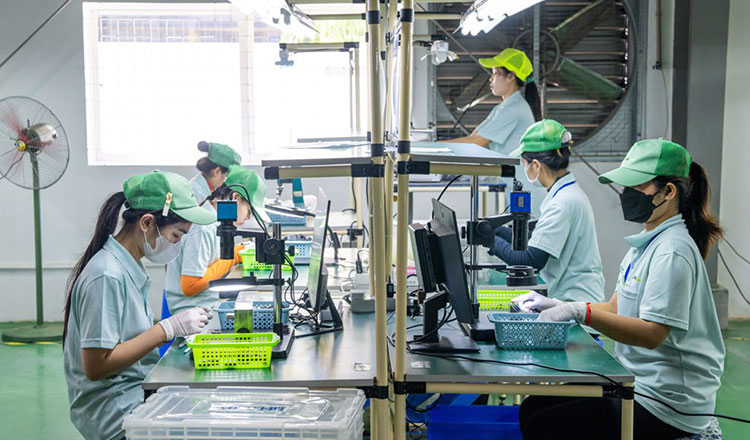
AmCham noted that approximately 865 American-owned businesses are registered in Cambodia, with hundreds more linked to Cambodian manufacturers producing goods for US brands.
Together, these enterprises represent billions of dollars in US investment and support thousands of jobs, while supplying affordable goods and services to consumers in both countries.
The chamber highlighted that US-Cambodia relations have strengthened markedly in recent years, particularly in 2025, following the signing of the Agreement on Reciprocal Trade. Thousands of Americans currently live and work in Cambodia, many with families, and have established schools, healthcare services and other community institutions.
According to the letter, AmCham’s concerns stem from statements made on December 14, 2025, by Captain Nara Khunkothom, Assistant Spokesperson of the Royal Thai Navy, during a briefing at the Joint Thailand-Cambodian Border Situation Press Centre broadcast on Army TV. During the briefing, Thai military proposals were outlined to block and monitor shipments of fuel and other supplies to Cambodia, as well as to declare waters surrounding Cambodian ports a “high-risk area”.
AmCham warned that a fuel blockade would be particularly damaging, potentially forcing American businesses to shut down and creating serious difficulties for families in meeting basic transportation and energy needs, including access to schools and medical services.
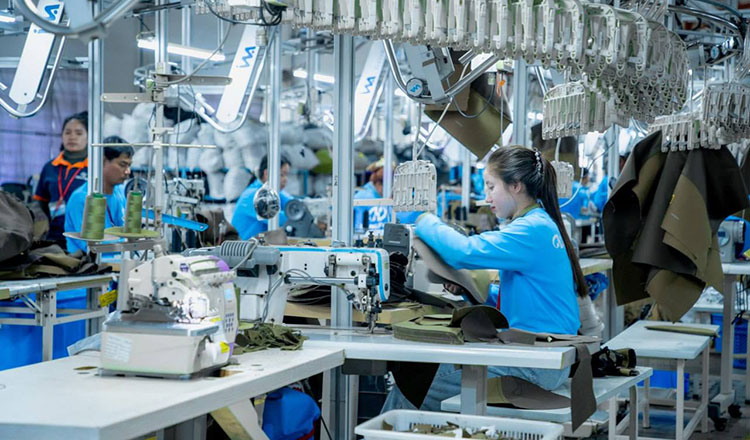
The chamber also cautioned that labelling civilian ports as high risk would sharply increase insurance premiums and shipping costs. Given that most trade between Cambodia and the United States relies on sea freight, such a move could severely disrupt bilateral trade and place more than one million vulnerable manufacturing workers at risk of falling into poverty.
Describing the threats as an unnecessary escalation, AmCham said the measures would disproportionately affect civilians rather than address underlying tensions.
The letter was signed by Casey Barnett, President of AmCham Cambodia, who requested that the concerns be conveyed to both the US and Thai governments.
Casey said that attempts to disrupt shipping to or from Cambodia would pose a serious risk to international commerce and legal norms.
“Thailand’s threat to oil shipments and maritime trade with Cambodia is a threat to all nations,” Barnett said. “Any move to stop or block US cargo ships bound for Cambodia, or Cambodian goods destined for the United States, would be a clear violation of international law.”
He added that such actions would not only undermine freedom of navigation but also risk harming civilians and escalating tensions in the region. “Interfering with lawful maritime trade would constitute an attack on civilian supply chains and represent a serious escalation of the conflict,” Casey said.
Bilateral trade between Cambodia and the US reached $11.87 billion in the first 11 months of 2025, up 28.6 percent compared with the same period in 2024, according to a recent report by the General Department of Customs and Excise (GDCE).
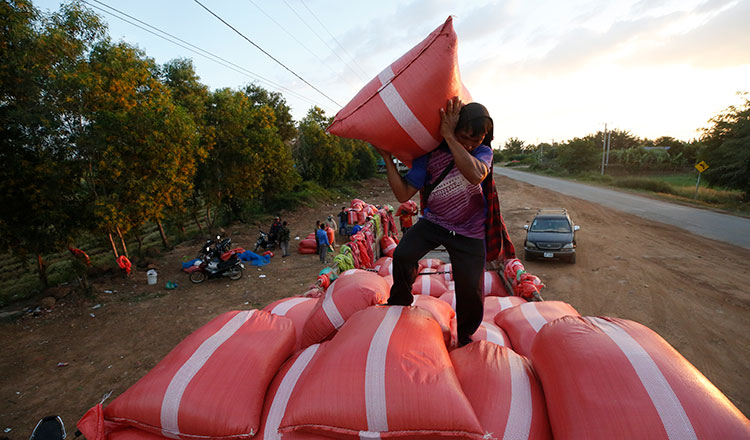
The strong growth reflects favourable conditions for Cambodian businesses and continued momentum in export-oriented industries, particularly textiles and footwear, agricultural products, and other key manufacturing sectors.
GDCE said Cambodia’s exports to the US totalled $11.50 billion, up 27.1 percent year on year, while imports from the US rose sharply to $367.45 million, an increase of 50.3 percent. The figures point to robust bilateral commercial activity, despite ongoing global economic uncertainty and heightened geopolitical tensions in the region.
A spokesperson for the Ministry of Public Works and Transport said the government had carefully assessed the situation after recent statements carried by Thai media suggesting the possible closure or blockage of sea freight routes into Cambodia.
Phan Rim, spokesman for the ministry, told Khmer Times that the comments attributed to senior Thai officials were being closely monitored by Cambodian authorities. He said the remarks went beyond routine policy statements and risked escalating tensions between the two neighbours.
“In recent days, Thai newspapers have quoted statements by senior Thai officials regarding warnings, closing and blocking sea freight traffic through the Gulf of Thailand into Cambodia, using various excuses,” Phan Rim said. “Such statements are seen as attempts to fuel aggression, provoke conflict and expand tensions with Cambodia.”
“Cambodia is not a child who can be bullied,” the ministry spokesperson said. “The government has considered this matter carefully and is ready to respond in all forms to any intention aimed at creating conflict or undermining Cambodia’s sovereignty.”
- 08:57 17/12/2025