Cambodia-China trade surges past $17B in 11 months
Cambodia-China trade surges past $17B in 11 months
The figures, however, present a mixed picture. Cambodian exports to China fell by 6.4 percent year-on-year to $1.5 billion, while imports from China rose sharply by 33.3 percent to $16.19 billion.
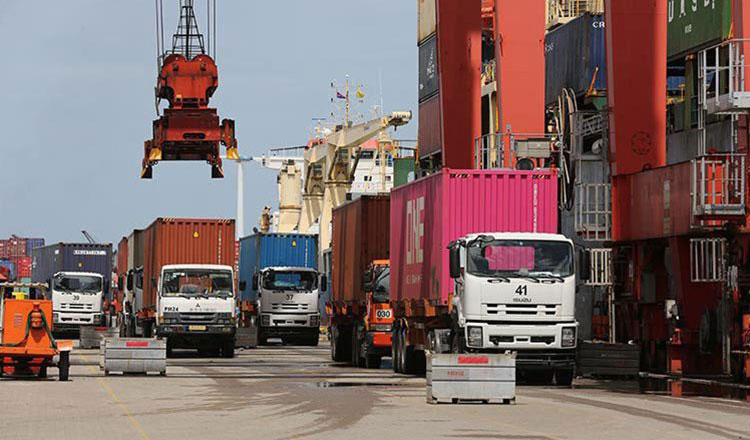
Bilateral trade between Cambodia and China surpassed $17.6 billion in the first eleven months of 2025, representing a strong 28 percent rise compared with the same period last year, according to the latest data released by the General Department of Customs and Excise (GDCE).
From January to November 2025, total trade between the two countries reached $17.69 billion, up from $13.75 billion during the corresponding period in 2024.
However, the report presents a mixed picture. Cambodian exports to China fell by 6.4 percent year-on-year to $1.5 billion, while imports from China rose sharply by 33.3 percent to $16.19 billion, further widening the trade gap.
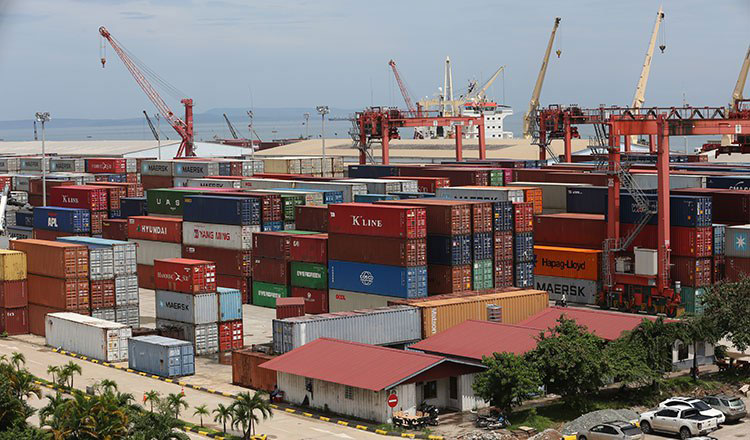
Despite the imbalance, the figures underscore the continued strength of economic relations between the two nations. China remains Cambodia’s largest trading partner, supplying a wide range of products including machinery, electronics, construction materials and raw inputs critical for domestic manufacturing.
The latest trade figures highlight the enduring strength of economic ties between Cambodia and China. Beijing remains Phnom Penh’s largest trading partner, supplying a wide range of goods including machinery, electronics, construction materials and raw inputs essential for domestic production.
Lor Vichet, Vice President of the Cambodia Chinese Commerce Association (CCCA), has called for Cambodia to reinforce its domestic production base and sharpen its export strategies to curb the country’s widening trade deficit with China.
Speaking to Khmer Times, Vichet explained that the sharp rise in Cambodia’s imports from China earlier this year was influenced largely by changes in US trade policy. In April, US President Donald Trump introduced reciprocal tariffs on Cambodian goods.
The announcement prompted Cambodian garment, footwear and travel goods (GFT) manufacturers to import large volumes of raw materials from China and accelerate exports to the US and Europe ahead of the tariffs taking full effect.
“The US lowered tariffs on Cambodian goods to 19 percent in August, allowing Cambodia to continue exporting more goods to the US,” Vichet said. “Because our tariffs are low, there are many buyers from US, especially during peak seasons such as Christmas and Thanksgiving, when Americans are shopping and travelling.”
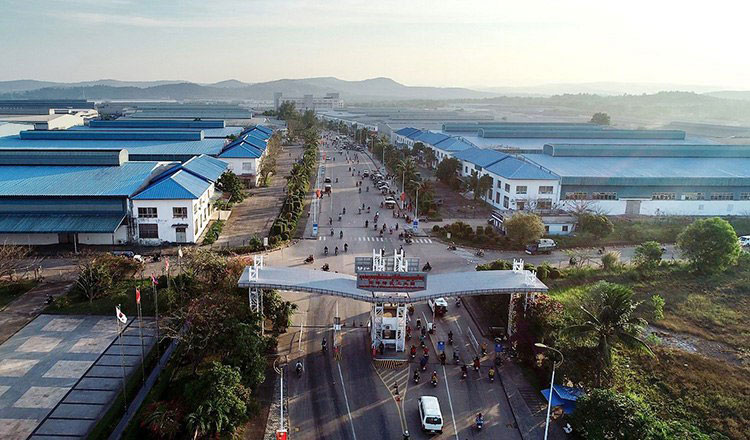
He stressed that Cambodia’s trade imbalance with China reflects deeper structural dynamics rather than temporary market shifts. “Cambodia faces a trade deficit because China invests heavily and establishes a large number of factories and projects here, which require more materials for production and export,” he explained.
To tackle this challenge, Vichet outlined two priority measures. “First, we need to develop our own raw material production plants to reduce reliance on imports. Second, we should identify high-potential Cambodian products that can be exported to China and actively promote them to the Chinese market,” he said.
Vichet emphasised that Cambodia must adopt a “clear strategic plan” and conduct a more in-depth study of the Chinese market to enhance its export capacity and build sustainable trade relations.
By diversifying its export base and investing in domestic industries, he believes Cambodia can gradually reduce its dependence on imported raw materials and work towards a more balanced trade relationship with China in the long term.
Anthony Galliano, Group CEO of Cambodian Investment Management Holdings (CIM), said the recent surge in Cambodia’s trade with China is delivering significant benefits to the Kingdom’s export sector.
“The rise in Chinese exports, primarily raw materials, to Cambodia is a direct enabler and a key driver of the increase in finished goods exports to the US,” Galliano, who also serves as Vice President of the American Chamber of Commerce in Cambodia (AmCham), told Khmer Times recently.
He noted that China supplies more than 80 percent of Cambodia’s textile raw material inputs due to the country’s limited domestic production capacity. This reliance, he said, makes Cambodia heavily dependent on Chinese imports to sustain its manufacturing operations and re-export-focused industries.
“To feed the textile, garment and travel bag supply chain, Cambodia primarily imports knitted or crocheted fabric, manmade staple fibres and filaments, cotton and cotton yarn, accessories and minor inputs, as well as dyeing extracts and pigments from China,” he added.
- 08:21 12/12/2025