SDF backs agri-processing and EV skills training to drive Cambodia’s green transition
SDF backs agri-processing and EV skills training to drive Cambodia’s green transition
The Skills Development Fund (SDF) is strengthening workforce development in Cambodia’s emerging electric vehicle (EV) and agri-processing sectors to support industrial upgrading, higher value addition and sustainable economic growth.
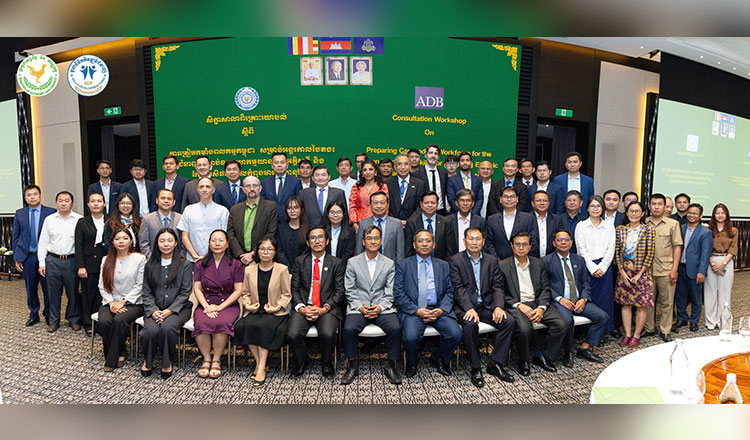
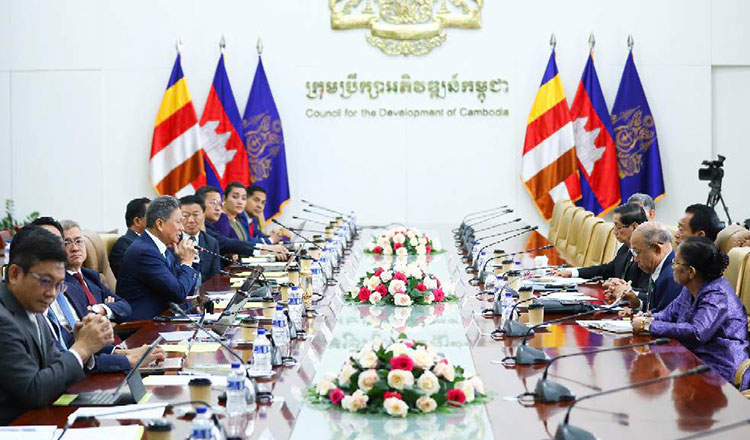
Secretary of State at the Ministry of Economy and Finance and Chairman of the SDF Board of Directors Phan Phalla made the remarks while serving as an honorary guest speaker at a consultation workshop on “Preparing Cambodia’s Workforce for the Green Transition: Skills for Emerging Electric Vehicle and Agri-Processing Industries” on Wednesday at Rosewood Hotel Phnom Penh.
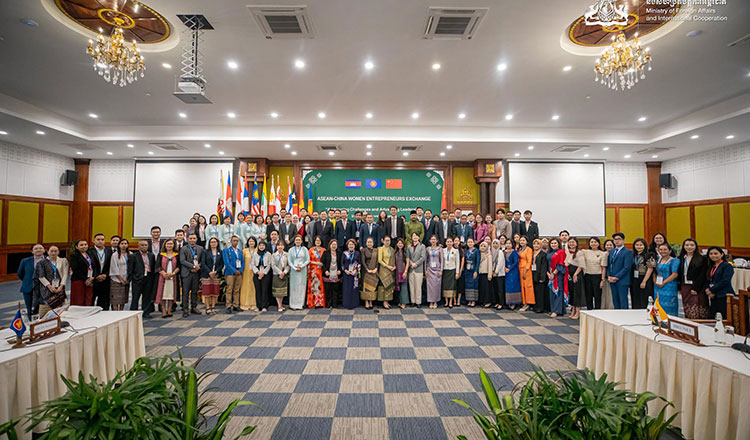
Organised by the Asian Development Bank in collaboration with the Ministry of Labour and Vocational Training, the workshop brought together key stakeholders to discuss workforce development in response to evolving industry and labour market demands.
During a panel discussion on workforce readiness and value addition in the EV and agri-processing sectors, Phalla said attracting investment is only the first step, while developing local capabilities and increasing value addition are essential for long-term industrial development.
“Ultimately, industrial upgrading depends entirely on people and skills,” he said.
He highlighted SDF’s strategy of investing proactively in advanced technological skills ahead of market demand through international partnerships. Under the initiative, Cambodian master trainers are being sent to China for advanced technology training, with around 130 trainers expected to be upskilled by the end of 2026.
Phalla also stressed the need to turn partnerships into concrete actions by working closely with business associations, factories, enterprises, training institutions and development partners to identify skills gaps and design training programmes that closely match actual labour market needs.
As of August 2026, SDF had approved 290 training projects supporting 101,264 trainees, including 34% women, in collaboration with 605 enterprises, 113 training providers and 33 business associations.
- 07:42 22/08/2026