Middle East crisis can hit investment flow, tourism in Cambodia
Middle East crisis can hit investment flow, tourism in Cambodia
The Kingdom’s economy will be substantially impacted if the conflict prolongs, with the garment, tourism, real estate and banking industries likely to suffer the most. Also, the rising oil prices could spill over into higher costs for manufacturing goods, shipping, and logistics services.
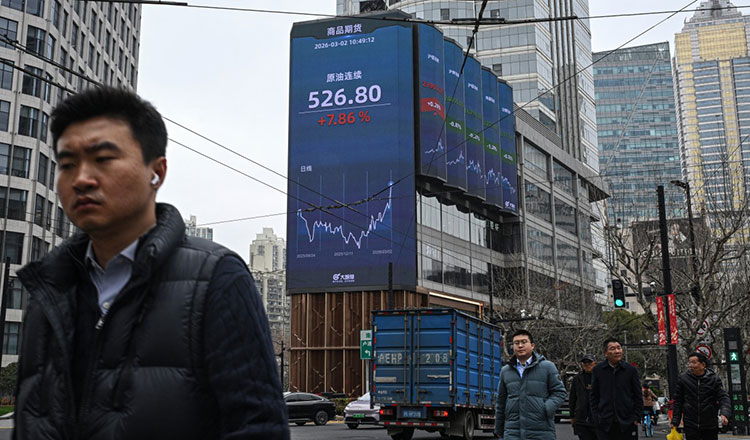
Cambodian businesses are watching the unfolding Middle East conflict with nervousness, as it can have far-reaching economic consequences for the country. Oil prices soared and stocks fell across Asia on Monday on the back of turmoil in the Middle East after US and Israeli strikes on Iran.
Anthony Galliano, Group CEO of Cambodian Investment Management Holdings (CIM), said the conflict between the United States, Israel, and Iran was anticipated by the markets given the large military build-up in the Middle East and the US administration’s demands, which Iran viewed as onerous.
He told Khmer Times yesterday that Cambodian economy will be substantially impacted if the conflict prolongs and the garment, tourism, real estate and banking industries will likely suffer the most. “The ongoing conflict could disrupt manufacturing by driving up fuel prices and straining global supply chains. These pressures may lead to higher freight charges, increased raw material costs, and a softer global economy as inflation rises and unemployment risks grow,” Anthony said.
He noted that while energy prices are likely to climb, the recent 12-day conflict with Iran caused only a temporary 20 percent spike before stabilising to earlier levels. He added that the current price rise of about seven percent reflects a more moderate market reaction.
In Anthony’s view, oil supply is not the primary concern, particularly with OPEC’s commitment to boost output, but he highlighted the strategic importance of energy flows through the Strait of Hormuz — a key global chokepoint that Iran’s Revolutionary Guard reportedly declared “effectively shut” on Sunday.
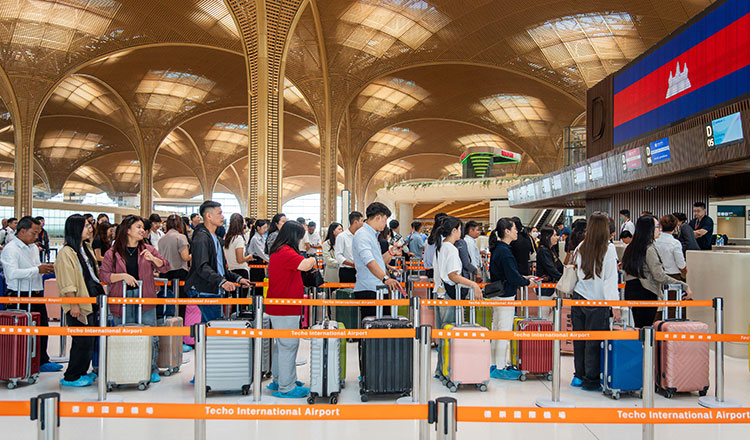
Anthony also warned that the tourism sector faces fresh setbacks from travel disruptions, closed airspace, flight cancellations and higher energy costs, compounded by softer economies and potential security threats. The conflict has closed multiple national air routes and major transit hubs, making travel difficult or impossible in many areas.
He said that if a prolonged conflict weakens Cambodia’s economy, the recent rebound in real estate — particularly from foreign buyers — could be jeopardised. A downturn in manufacturing, tourism and property, he added, might lead to a rise in non-performing loans, posing challenges for the banking sector.
Anthony said the most favourable outcome would be a short conflict with limited damage, though he noted the situation is distinct from Venezuela and such a quick resolution appears less likely.
According to Thong Mengdavid, Deputy Director at the China-ASEAN Studies Centre of CamTech University, the ongoing conflict in the Middle East is intensifying existing economic pressures on Cambodia.
Mengdavid said disruptions to global trade routes, particularly maritime commerce, could significantly affect the Kingdom. He warned that any closure of the Strait of Hormuz would likely trigger a surge in global oil prices and lead to supply shortages, creating far-reaching economic consequences for Cambodia.
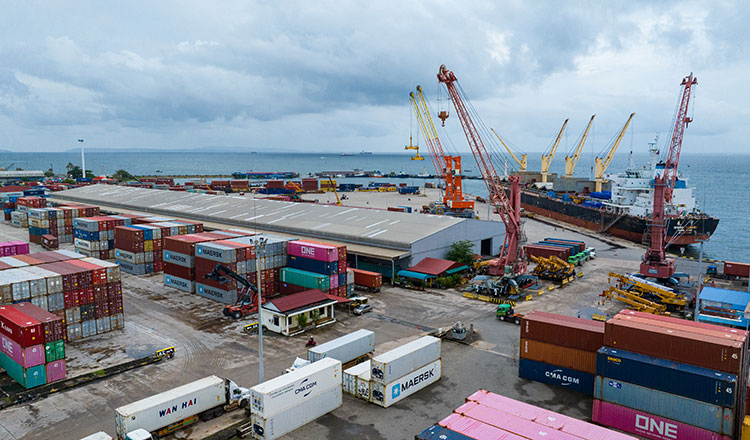
Rising oil prices could spill over into higher costs for manufacturing goods, shipping, and logistics services, he added. Increased sea freight charges and broader supply chain disruptions may further strain businesses and consumers alike.
The conflict could also heighten Cambodia’s vulnerability to external financial shocks. Mengdavid noted that uncertainty surrounding the war and oil market volatility may make capital flows more sensitive to global risk aversion.
To mitigate potential fallout, he urged the Cambodian government to prepare for worst-case scenarios by stabilising fuel pricing mechanisms and extending tax relief measures for oil imports. Incentives for oil-dependent sectors, including logistics and maritime transport, should also be considered.
Additionally, Mengdavid recommended that authorities closely monitor food prices, maintain adequate strategic reserves to support low-income households, and ensure stable monetary policy with clear communication to the business community to safeguard economic growth and confidence.
Chey Tech, Socio-economic Researcher, said the crisis in the Middle East has begun to affect logistics, particularly the transport of oil due to the closure of the Strait of Hormuz. “If the conflict continues, and if tensions escalate elsewhere — for example between Pakistan and Afghanistan, or involving North and South Korea and Taiwan — the effects could spread globally. Such a scenario would place significant strain on the world economy, potentially triggering widespread economic challenges,” he noted in a message to Khmer Times.
Vichet Lor, Vice President of Cambodia-Chinese Commerce Association (CCCA), said a prolonged conflict in Middle East could lead to rising oil prices and a higher cost of living for Cambodians.
“Also, depending on the severity of the domino effects, foreign investors will pursue either a “wait and watch” approach or a “pause before execute” strategy regarding their investment plans in Cambodia,” he said, indicating that this can further affect the country’s GDP projections.
Meanwhile, Cambodia is following the situation in the Middle East with deep concern, according to a statement of the Ministry of Foreign Affairs and International Cooperation. The ministry called on all parties concerned to exercise maximum restraint to avoid further escalation that would harm civilian lives and undermine peace.
- 08:12 03/03/2026