Cambodia braces for a turbulent global market
Cambodia braces for a turbulent global market
The confluence of tightening global trade conditions and potential energy price shocks presents a significant policy challenge. Officials say they will pursue diversification of export markets and products, deepen regional integration, and enhance technological capabilities to bolster resilience against external shocks.
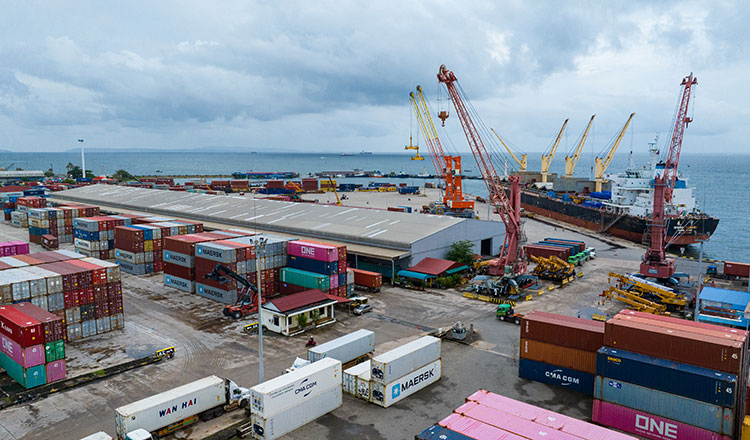
Global trade conditions are poised to tighten sharply in 2026, raising concerns among Cambodia’s policymakers and private sector leaders about the outlook for exports and investment amid worsening geopolitical and economic risks.
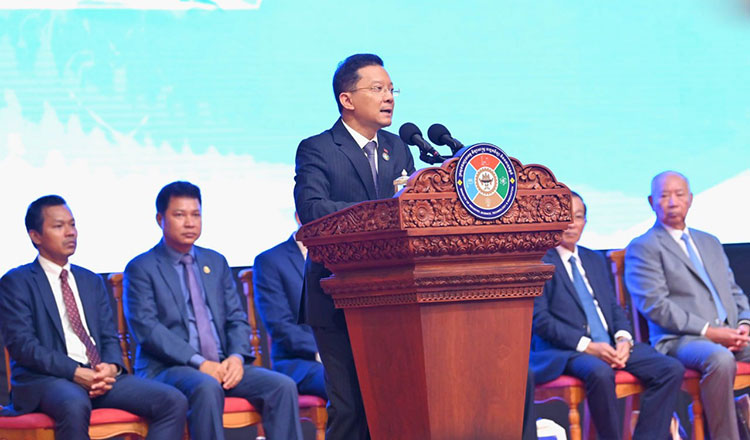
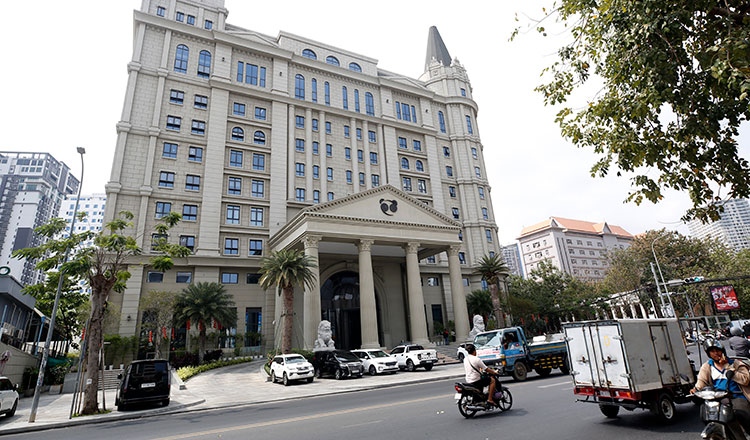
At the two-day-long annual review meeting of his ministry that concluded on Tuesday, Cambodia’s Minister of Industry, Science, Technology & Innovation Hem Vanndy said that as trade preferences phase out, Cambodian exporters must prepare for stricter compliance.
“The world is becoming increasingly uncertain,” the minister said, adding, “We must turn the challenges into opportunities by building robust institutions that deliver tangible results for the nation,” a statement from the Ministry of Industry, Science, Technology & Innovation (MISTI) said, quoting the minister.
Addressing the challenges of global supply chain volatility, the minister emphasised the need for domestic self-reliance. Tightening international market conditions, rising protectionist measures, and global supply chain disruptions are expected to test Cambodia’s export-oriented economy in the year ahead.
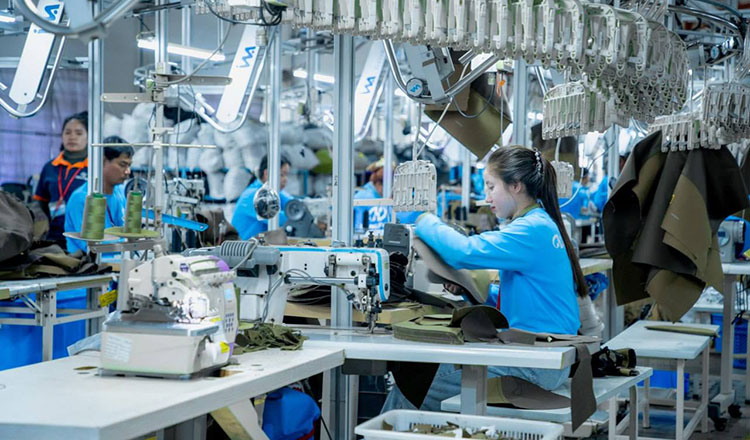
Officials noted that persistent volatility in global trade — driven by shifts in trade policies of major economies and heightened geopolitical tensions — could slow demand for garments, footwear, and other manufactured goods that comprise the backbone of Cambodia’s export sector.
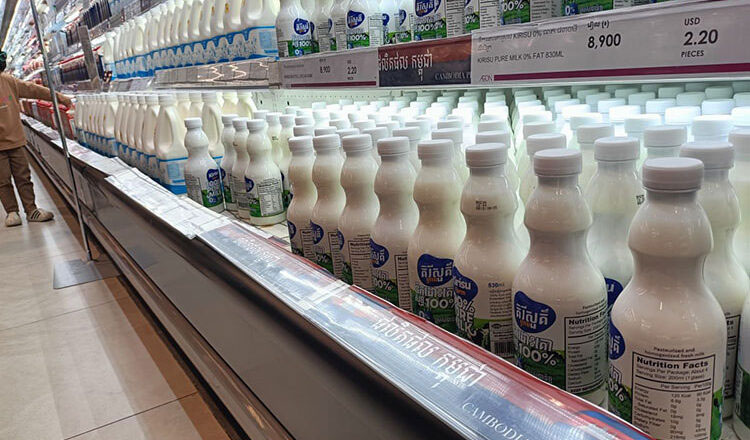
According to a report by Xinhua, industrial production in the Kingdom saw a marked decline in 2025, with total manufacturing value falling around 10 percent as cooling international demand hit key export sectors.
Xinhua report quoting MISTI revealed that local manufacturers produced goods worth $13.58 billion last year, down from $15.14 billion in 2024.
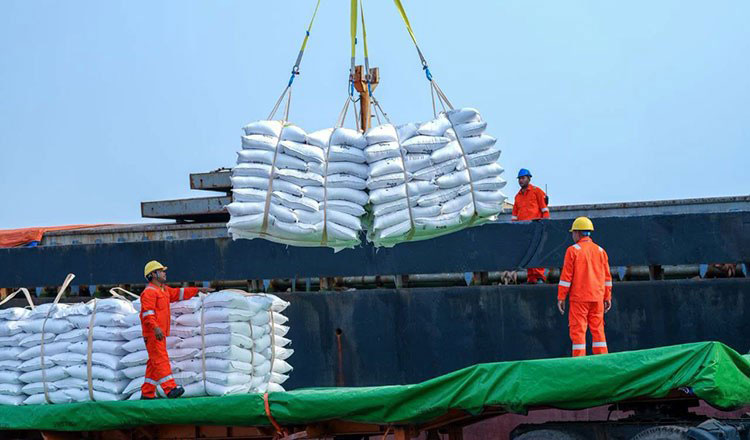
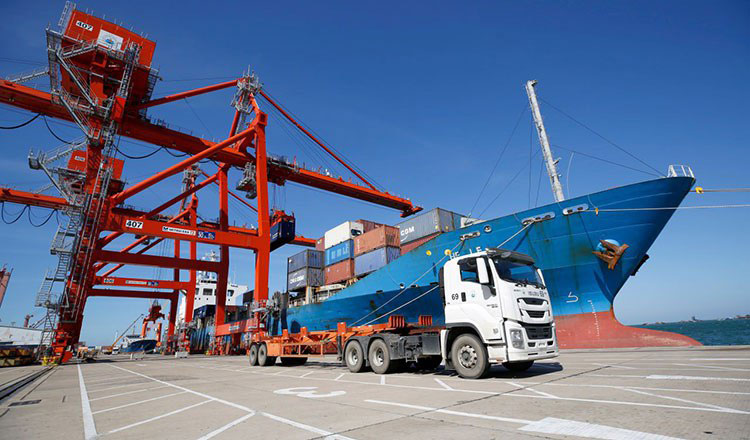
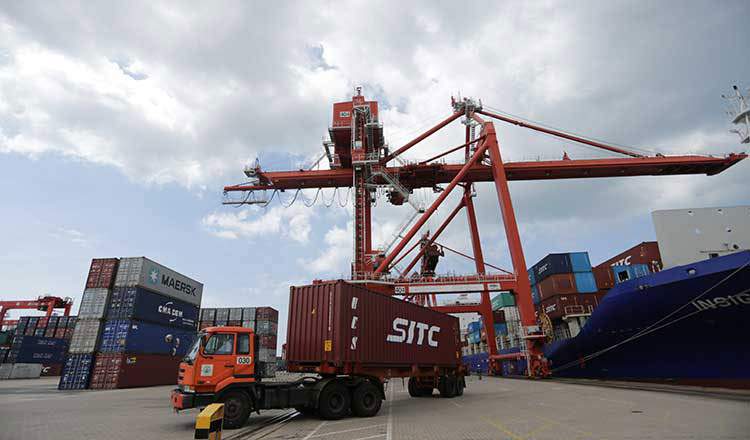
Cambodia’s trade performance in 2025 too paints a mixed picture of resilience and vulnerability. According to official data, total exports expanded robustly during the year, with shipments reaching approximately $30.14 billion in 2025 — a 14.7 percent increase year-on-year — and the US remaining the Kingdom’s largest market with more than $12.73 billion in purchases.
Bilateral trade with the US expanded sharply, surpassing $13.14 billion in 2025 — up over 29 percent from the year before — with Cambodian exports to the US rising nearly 28.5 percent despite rising tariff pressures. Meanwhile, Cambodia’s merchandise imports also climbed strongly, reflecting rising domestic demand for medicines, machinery, and consumer goods.
Regional linkages under the Regional Comprehensive Economic Partnership (RCEP) remain a key source of trade momentum. Cambodia’s trade with RCEP member economies accounted for over 60 percent of total trade in 2025, with exports to the bloc rising close to seven percent over the year. Trade with ASEAN partners also expanded, reaching roughly $16.37 billion in 2025, further supporting export diversification.
MISTI’s warning assumes particular importance against the backdrop of escalating international tensions, especially between the US and Iran. As diplomatic negotiations over Iran’s nuclear programme have stalled, the US has significantly increased its military presence in the Middle East amid threats of potential strikes.
Analysts warn that if conflict escalates, disruptions to oil flows—especially through the Strait of Hormuz, a chokepoint for about 20 percent of global oil trade — could spike energy prices and inject volatility into global markets.
Edwin Vanderbruggen, Senior Partner at Andersen in Cambodia and lecturer at the Foreign Trade University in Hanoi, told Khmer Times that Cambodia can land in a vulnerable position if geo-political tensions escalate. “Cambodia is essentially a manufacturing hub that imports materials, mostly from China, processes them into garments and footwear, and exports them to the US, the EU and a few other markets. That is a vulnerable position. Anything that affects the influx or the outflux is bound to have adverse consequences,” he said.
Edwin, however, commended Cambodia’s strong resilience and reminded that the Kingdom is already coping with global uncertainties stemming from Russia’s invasion of Ukraine, the US-China trade tensions and the border clashes with Thailand.
For Cambodia’s export economy — heavily reliant on externally oriented manufacturing and stable input costs — the confluence of tightening global trade conditions and potential energy price shocks presents a significant policy challenge. Cambodian officials say they will pursue diversification of export markets and products, deepen regional integration, and enhance technological capabilities to bolster resilience against external shocks.
- 08:08 27/02/2026