Cambodia-China trade hit over $19B in 2025
Cambodia-China trade hit over $19B in 2025
The figure, however, highlights a growing trade imbalance. Cambodian exports to China declined by 3.6 percent to $1.68 billion, while imports from China surged by 34.3 percent to $18.04 billion, further widening Cambodia’s trade deficit with its largest trading partner.
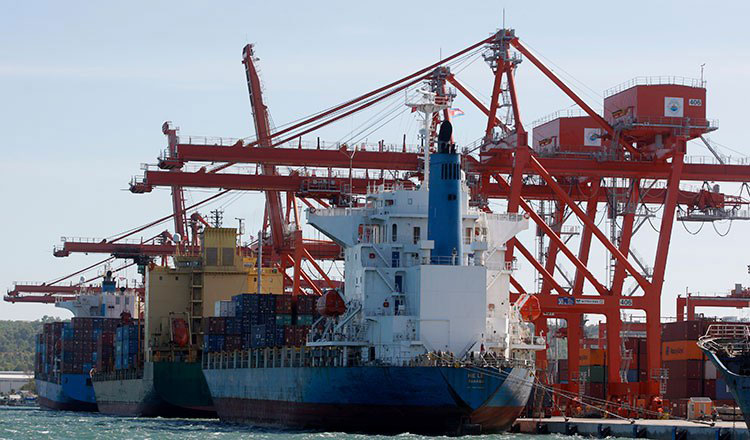
Bilateral trade between Cambodia and China exceeded $19 billion in 2025, marking a robust 29 percent increase year-on-year, according to data released by the General Department of Customs and Excise (GDCE) on Friday.
From January to December 2025, total trade turnover between the two countries reached $19.73 billion, up from $15.18 billion in the same period of 2024, underscoring the continued momentum in economic ties between Phnom Penh and Beijing.
However, the figures also highlight a growing trade imbalance. Cambodian exports to China declined by 3.6 percent to $1.68 billion, while imports from China surged by 34.3 percent to $18.04 billion, further widening Cambodia’s trade deficit with its largest trading partner.
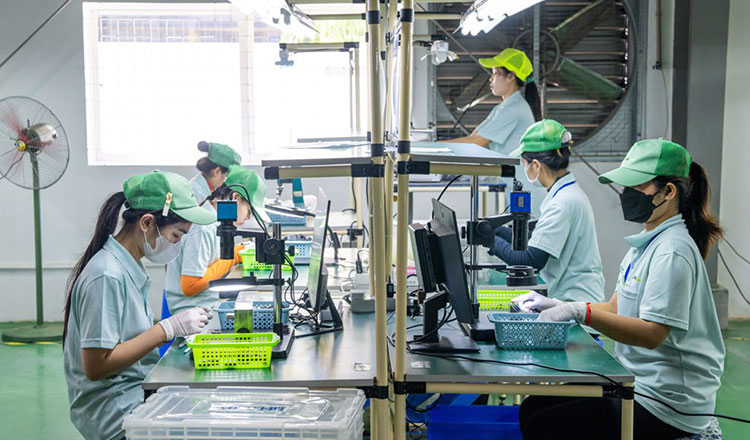
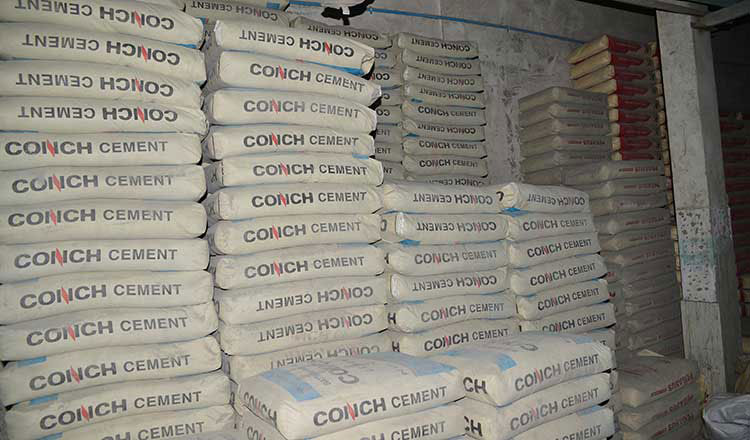
China continues to dominate Cambodia’s import market, supplying a broad range of goods including machinery, electronics, construction materials and raw inputs that are essential for domestic manufacturing and infrastructure development.
Despite the uneven trade flow, officials and analysts view the latest data as a reflection of the deepening economic relationship between the two countries, driven by strong demand for Chinese industrial goods and ongoing investment-linked trade.
China has remained Cambodia’s top trading partner for several consecutive years, supported by close political ties, expanding infrastructure projects and preferential trade arrangements under bilateral and regional frameworks.
Lor Vichet, Vice President of the Cambodia Chinese Commerce Association (CCCA), has urged Cambodia to strengthen its domestic production base and refine its export strategies to address the country’s widening trade deficit with China.
Speaking to Khmer Times, Vichet said the sharp increase in Cambodia’s imports from China earlier this year was largely driven by shifts in US trade policy. In April, US President Donald Trump announced the introduction of reciprocal tariffs on Cambodian goods.
The move prompted Cambodian manufacturers in the garment, footwear and travel goods (GFT) sector to import large volumes of raw materials from China and fast-track exports to the United States and Europe ahead of the tariffs taking full effect.
“The US later reduced tariffs on Cambodian goods to 19 percent in August, which allowed Cambodia to continue exporting more products to the American market,” Vichet said. “Because tariffs remain relatively low, many US buyers place orders, particularly during peak seasons such as Christmas and Thanksgiving, when consumer spending and travel increase.”
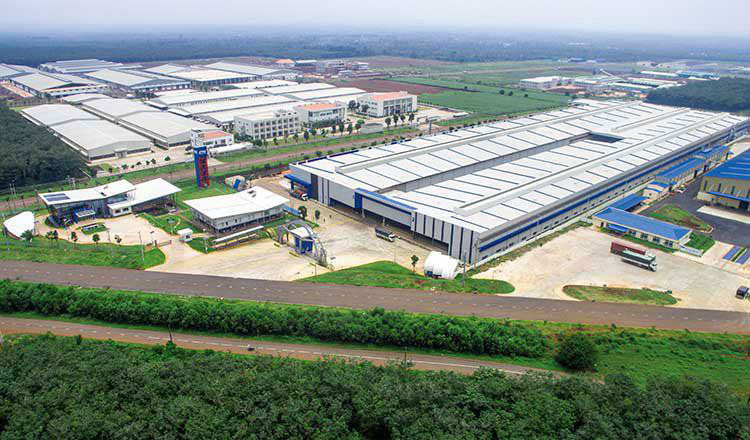
He noted that Cambodia’s trade imbalance with China reflects deeper structural factors rather than short-term market fluctuations. “Cambodia runs a trade deficit because China invests heavily here and establishes a large number of factories and development projects, all of which require substantial imports of raw materials for production and export,” he explained.
To address the issue, Vichet highlighted two key priorities. “First, Cambodia needs to develop its own raw material production facilities to reduce dependence on imports. Second, we must identify high-potential Cambodian products and actively promote them in the Chinese market,” he said.
Vichet stressed the importance of a “clear strategic plan” and a more thorough understanding of China’s market dynamics to strengthen Cambodia’s export capacity and ensure sustainable trade relations. By diversifying exports and investing in domestic industries, he said Cambodia could gradually reduce its reliance on imported inputs and move towards a more balanced long-term trade relationship with China.
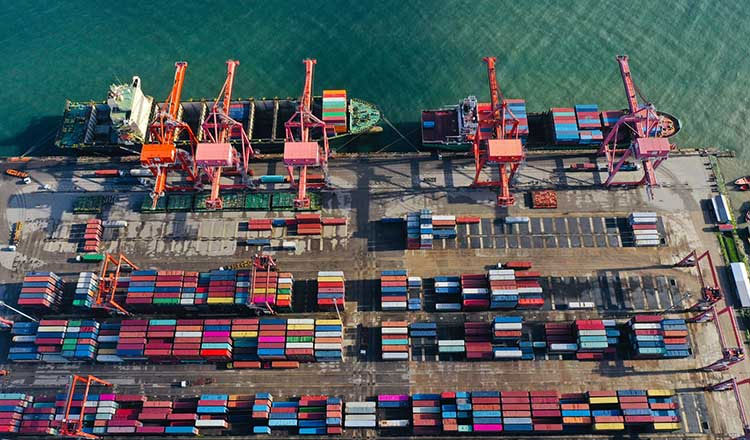
Meanwhile, Cambodia’s total trade volume with international markets rose to more than $65.24 billion in 2025, marking a year-on-year increase of 17.66 percent, according to the Ministry of Commerce (MoC), underscoring the country’s resilience in maintaining key export markets amid a challenging global economic environment.
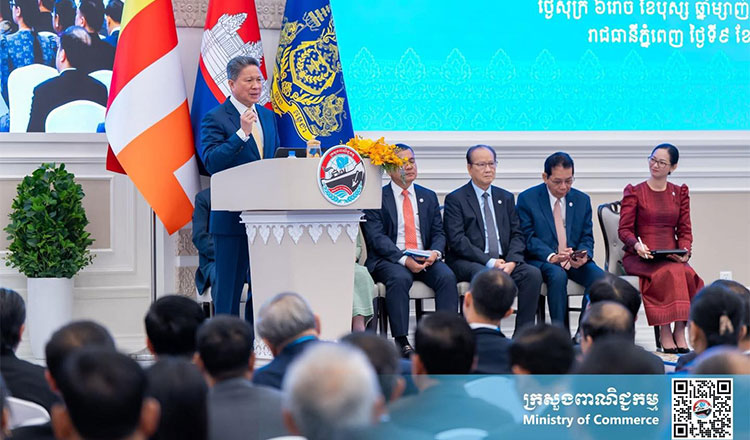
Penn Sovicheat, Secretary of State and spokesperson for the MoC, said Cambodia exported goods worth $31.28 billion last year, up 16.95 percent compared with 2024, while imports rose by 18.32 percent to $33.96 billion. He noted that the strong trade performance came despite ongoing uncertainties in the global economy, including geopolitical tensions and fluctuating demand in major markets.
Speaking at the MoC’s 2025 Trade Work Summary Conference and the 2026 Trade Work Implementation Goals meeting held on January 8, Penn Sovicheat said the figures reflected Cambodia’s ability to preserve its export destinations and gradually strengthen its role in regional and global supply chains.
“The growth shows that Cambodia continues to maintain its main markets at the global level, while also enhancing its potential within the supply chain and value chain,” he said, adding that sustained export growth was an important signal of continued confidence from international buyers.
According to the ministry, Cambodia’s main export markets remain diverse, spanning ASEAN member states as well as major economies such as China, Japan, Korea, Australia, New Zealand, the European Union, the UK, the US, Canada, the UAE and India.
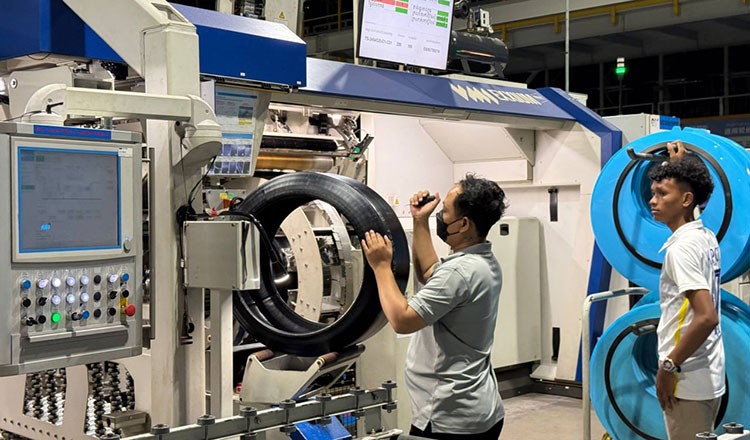
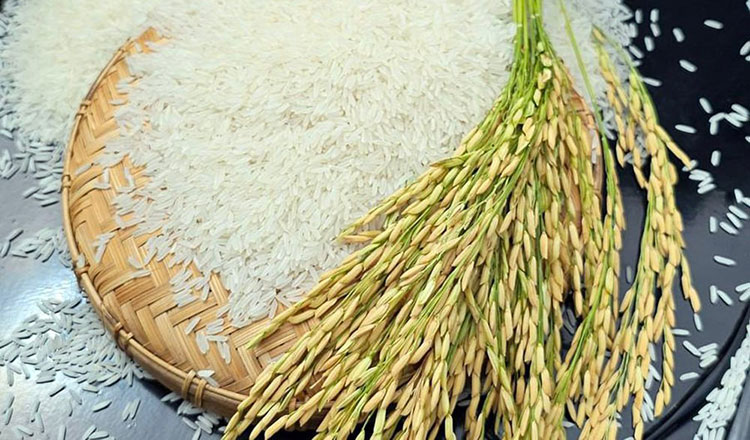
Garments, textiles and footwear continue to dominate Cambodia’s export basket, alongside travel goods and bags. Agricultural products, including rice, cassava and cashew nuts, also remain key contributors, while industrial products such as car tyres, electronic components and automotive parts are playing an increasingly important role.
The MoC said it would continue to focus on expanding market access, improving product quality and promoting value-added manufacturing to support sustainable trade growth in 2026 and beyond, as Cambodia seeks to strengthen its competitiveness in the global marketplace.
- 15:26 12/01/2026