

How local processing can fix Cambodia’s agricultural wealth gap
How local processing can fix Cambodia’s agricultural wealth gap
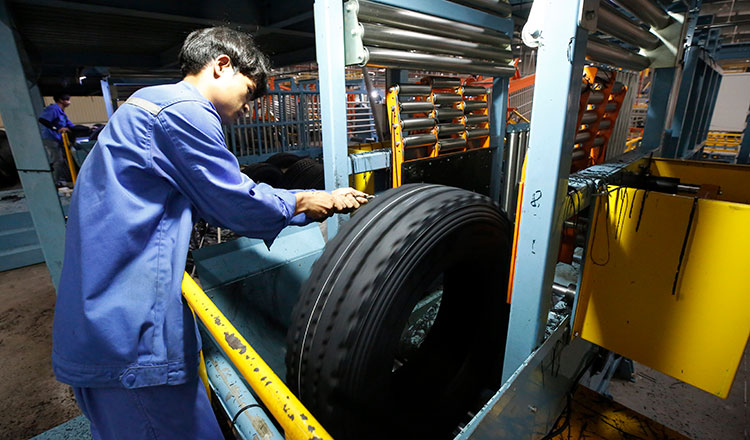
For decades, much of Cambodia’s harvest has left the country unprocessed, forcing the Kingdom to miss out on high-margin, value-added earnings that are pocketed overseas. The critical issue is not where agricultural products are sold, but where and how additional economic activities take place. Processing, packaging, distribution and product development generate substantial income and employment for hundreds of thousands after crops leave the farm. The Kingdom must do whatever it takes to transition from raw crops to higher-value products; it can no longer remain a silent spectator while a larger share of its value is funnelled into overseas pockets
Cambodia exports a range of agricultural commodities, including rice, cassava, cashew nuts, mangoes, rubber and bananas. However, when products are exported raw or only partly processed, opportunities to generate additional revenue through manufacturing, packaging and branding may be limited.
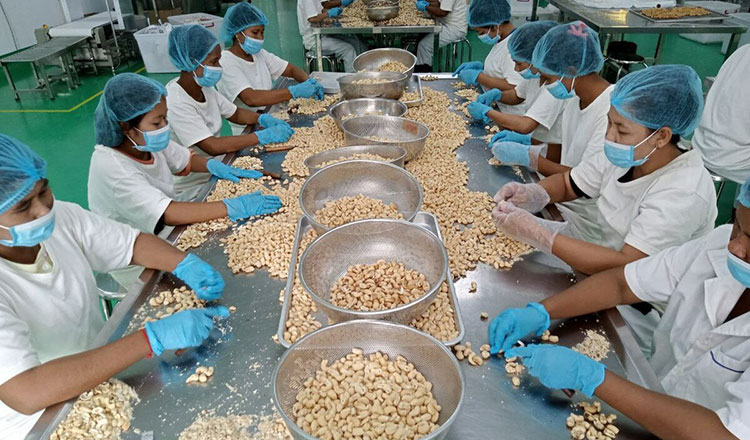
Processing these commodities locally injects vital economic activity into the country. For example, cashew nuts can be cleaned, roasted, packaged and sold as finished consumer products, while mangoes can be processed into dried fruit, juice or other food products.
These activities can create employment beyond farming, including jobs in factories, transportation, storage, quality control, marketing and distribution. They can also create opportunities for small and medium-sized enterprises (SMEs) to supply ingredients, packaging materials and other services.
For farmers, stronger domestic processing industries could provide more reliable buyers and help reduce post-harvest losses when storage facilities and supply arrangements are available.
Cambodia generated approximately $6.46 billion in agricultural export revenue in 2025, up 7.3% from $6.02 billion in 2024, according to figures reported by Agence Kampuchea Presse. The figures demonstrate the sector’s export importance, while also highlighting the opportunity to capture more value through processing and related industries.
Value-added agriculture
Agriculture anchors Cambodia’s economy by sustaining rural livelihoods and supplying raw materials to domestic and global markets. However, the true economic potential of these commodities remains locked until they undergo local processing.
Raw cashew nuts, for example, can be transformed into shelled kernels and packaged consumer products. Cassava can be processed into starch and other industrial inputs, while mangoes can become dried fruit, juice and other food products.
These activities create additional stages of production in which businesses can generate income, employ workers and develop technical expertise.
When agricultural products are sold raw, downstream manufacturing, packaging and product development happen overseas. This leaves Cambodia capturing low-margin raw material revenue while foreign markets absorb the premium value generated during final production.
For an economy seeking to diversify its industries, the difference matters. Agricultural processing can connect farming with manufacturing, packaging, logistics, retail and export services, allowing more businesses to benefit from a single supply chain.
It can also create additional markets for farmers. Food processors need reliable supplies of agricultural products that meet specific quality requirements, potentially strengthening relationships between producers and businesses.
However, these benefits are not automatic. Processing facilities must secure sufficient raw materials, operate efficiently and produce goods that customers are willing to buy. Investment in machinery alone cannot guarantee commercial success.
Expanding domestic processing could support Cambodia’s economic development in several ways.
First, it could increase the value generated from agricultural exports. Instead of selling only raw commodities, Cambodian businesses could produce processed goods with additional packaging, branding and quality improvements for domestic and international markets.
The benefits would depend on production costs, market demand and competitiveness. Nevertheless, developing these capabilities could allow businesses to retain a greater share of the value generated along the supply chain.
Second, processing can create employment outside primary agriculture. Factories require workers for sorting, cleaning, drying, manufacturing, packaging, quality control, maintenance, warehousing and administration.
These jobs could broaden economic opportunities in rural areas, particularly where agricultural production is concentrated but industrial employment remains limited.
Third, a stronger processing industry could create opportunities for SMEs. Smaller businesses may enter through transportation, packaging, storage, equipment maintenance or supplying materials to larger processors. Some may eventually develop their own products and establish relationships with distributors and overseas customers.
Fourth, processing could encourage investment in infrastructure and technology. Cold storage, modern drying systems, food-testing facilities and improved logistics can benefit processors, farmers, traders and exporters.
However, capturing these benefits requires a sustainable business model. Processors must compete on price, quality and reliability, while farmers need production systems capable of supplying suitable crops in sufficient quantities.
Tech-driven quality
Cambodia’s efforts to strengthen agro-processing require greater attention to technology, product quality and the standards demanded by modern markets.
Minister of Industry, Science, Technology and Innovation Hem Vanndy has emphasised the importance of moving beyond raw agricultural commodities.
“Cambodia must transform from a producer of raw agricultural commodities into a hub for quality, safe and technologically advanced agri-food processing,” he said.
The transformation involves more than establishing factories. Businesses also need the technical capacity to process agricultural products consistently, maintain food safety and meet the requirements of buyers in different markets.
Modern equipment can improve productivity, reduce waste and maintain consistent product quality. Appropriate drying systems can preserve agricultural products, while cold storage can reduce spoilage. Better packaging can also extend shelf life and make goods more suitable for distribution.
Traceability is another important consideration. Exporters may need to demonstrate where products originated, how they were handled and whether they meet relevant safety and quality requirements.
For smaller businesses, meeting these requirements can be difficult when testing facilities, technical expertise and modern equipment are expensive or inaccessible.
Shared facilities, industry clusters and cooperation between SMEs and larger processors could help reduce some of these barriers. Businesses operating in connected production areas may be better positioned to share infrastructure, access services and coordinate supplies.
Investment in technology must also be accompanied by training. Workers and managers need the skills to operate equipment, maintain production standards and respond to changing market requirements.
Processing facilities often require substantial initial investment in buildings, machinery, storage, utilities and quality-control systems. Companies must also finance raw-material purchases, transportation, labour and other operating expenses before receiving payment from customers.
These requirements can be particularly difficult for SMEs, which may have limited collateral, shorter financial histories or insufficient cash flow to support large investments.
Agricultural businesses also face seasonal challenges. Processors may need to purchase large quantities of raw materials during harvest periods, although revenue from sales may arrive over a longer period. Without suitable working capital, companies may struggle to buy enough crops to operate their facilities efficiently.
Banks and other financial institutions can help by developing financing products suited to agricultural supply chains. Depending on the business model, these could include working-capital loans, equipment financing and lending arrangements linked to reliable purchase contracts.
Development partners can contribute through technical assistance, risk-sharing mechanisms and programs that help farmers and SMEs strengthen their commercial capacity.
However, access to finance alone will not resolve every problem. Lenders need confidence that processors can secure adequate raw materials, manage operating costs and sell products profitably.
Local value retention
United Nations Resident Coordinator in Cambodia Vladanka Andreeva, whose remarks on agricultural development highlighted the importance of retaining more value domestically, noted that “much of what Cambodia grows leaves the country unprocessed, so the added value is earned elsewhere”.
The issue is not simply where agricultural products are sold, but where additional economic activities take place. Processing, packaging, distribution and product development can generate income and employment after crops leave the farm.
When these activities take place overseas, Cambodian producers may miss opportunities to participate in those stages of the supply chain.
Strengthening local processing could create more connections between farmers and businesses while allowing domestic companies to develop expertise in manufacturing and export operations.
Andreeva also highlighted agricultural finance through the AGRIFIN initiative, which targets 7,000 farmers across Pursat, Battambang, Banteay Meanchey, Siem Reap, Kampong Thom, Preah Vihear and Oddar Meanchey, with at least half of the targeted farmers being women.
Such support is relevant because processing industries depend on the quality and reliability of agricultural supplies. Farmers who can access suitable financing and improve production practices may be better positioned to meet commercial buyers’ requirements.
However, stronger production alone cannot guarantee successful processing. Farmers and processors need effective arrangements for purchasing crops, determining quality, coordinating harvests and managing prices.
For Cambodia, the broader opportunity is to connect agricultural finance and production support with competitive domestic businesses, allowing more participants to benefit from the value generated after harvest.
One difficulty facing agricultural processors is securing sufficient raw materials of consistent quality throughout the production cycle.
Many agricultural products are seasonal, while processing facilities need to manage capacity and operating costs. A factory that cannot obtain enough suitable crops may operate below capacity, making it harder to recover investment in machinery and infrastructure.
Fragmented production can create further complications. When farmers operate independently and sell relatively small quantities, processors may face higher costs collecting crops from different locations.
Storage and post-harvest handling are equally important. Without suitable facilities, agricultural products can deteriorate before reaching processing plants, reducing the quantity available for sale and affecting the quality of finished goods.
Purchase agreements, for example, can give processors greater certainty over supplies while providing farmers with clearer information about buyers’ requirements. Such arrangements need transparent pricing and fair terms to ensure that farmers also benefit.
Cooperatives and producer groups may help farmers coordinate production, consolidate supplies and improve market access. Processors can provide information about the varieties, quality and quantities required for specific products.
Digital systems may also help businesses coordinate orders, monitor deliveries and share information about crop availability. However, these tools must be practical and accessible to the people using them.
Connect to compete
Processing businesses require dependable electricity, water, transportation and storage. Interruptions or high operating costs can reduce productivity and make locally processed products less competitive.
Transportation is particularly important because agricultural raw materials and finished goods must move between farms, factories, warehouses, ports and customers.
Perishable products may require specialised handling and temperature-controlled transport. Delays can reduce product quality and increase losses, while inefficient logistics can raise the final price paid by buyers.
For exporters, access to reliable shipping services and efficient border procedures is also important. Even a well-produced product can struggle to compete if delivery is expensive or unpredictable.
Improving roads, storage facilities, electricity supply and logistics services could reduce costs throughout the agricultural value chain. Coordinated investment in industrial areas and processing clusters may also help companies access utilities and shared services more efficiently.
However, infrastructure investment should reflect actual commercial demand. Facilities need sufficient users and reliable operating arrangements to justify their costs.
Better coordination between public investment and private-sector needs could help ensure that infrastructure supports viable processing activities rather than creating capacity that businesses cannot afford to use.
Minister of Agriculture, Forestry and Fisheries Dith Tina said Cambodia needs to strengthen agricultural commercialisation, improve productivity and connect farmers with reliable markets to develop a more competitive agricultural sector.
Speaking at the opening ceremony of the Cambodia Agriculture Forum and Exhibition 2026 (CAFE26), he highlighted the Youth Innovation Forum’s role in connecting young entrepreneurs, innovators, researchers and students with investors, financial institutions, government agencies and development partners.
The platform aims to link innovative ideas with mentorship, financing and market opportunities while encouraging young people to pursue entrepreneurship, innovation and value-added agro-industry.
These priorities are relevant to Cambodia’s efforts to expand domestic agricultural processing. Turning raw crops into higher-value products requires investment, technical expertise, reliable supplies and stronger links between farmers and businesses.
During a panel discussion at CAFE26, Ministry of Agriculture, Forestry and Fisheries Undersecretary of State Khim Finan also called on farmers to adopt modern farming practices.
He said government policy aims to transform small-scale family farming into organised agro-commercial enterprises capable of achieving higher yields, reducing production costs and securing reliable market access.
Finan added that the ministry is implementing 10 targeted projects focusing on strategic crops, including rice, cashew nuts, pepper, durian and safe vegetables. The projects aim to strengthen market linkages, address farmers’ challenges, meet domestic demand, reduce vegetable imports and improve consumer welfare.
Strengthening commercial farming and market connections could help provide processors with more reliable agricultural supplies while creating opportunities to develop higher-value products.
However, expanding local processing will also require appropriate financing, modern equipment, quality control and access to buyers willing to purchase Cambodian-made products.
Standards unlock markets
Producing more processed goods does not automatically mean Cambodia will increase exports. Businesses must find customers and meet the requirements of the markets they intend to serve.
Food safety, hygiene, packaging, labelling and product consistency can determine whether a product is accepted by buyers. Different markets may also impose specific regulatory and technical requirements.
For smaller processors, obtaining the necessary knowledge, testing services and certifications can involve considerable expense.
Without adequate quality-control systems, businesses may struggle to establish long-term relationships with international buyers, even when their products are competitively priced.
Government agencies and industry organisations can help by improving access to technical guidance, testing facilities and information about export requirements.
Businesses also need to conduct market research before investing in new production lines. Consumer preferences, competition, distribution costs and expected selling prices all influence whether a product can succeed.
Developing Cambodian brands may create additional opportunities, particularly where processors can demonstrate consistent quality and distinctive product characteristics. However, branding must be supported by dependable production and effective distribution.
- 07:53 02/11/2026