

Cambodia drafts 10-year industry and skills policy
Cambodia drafts 10-year industry and skills policy
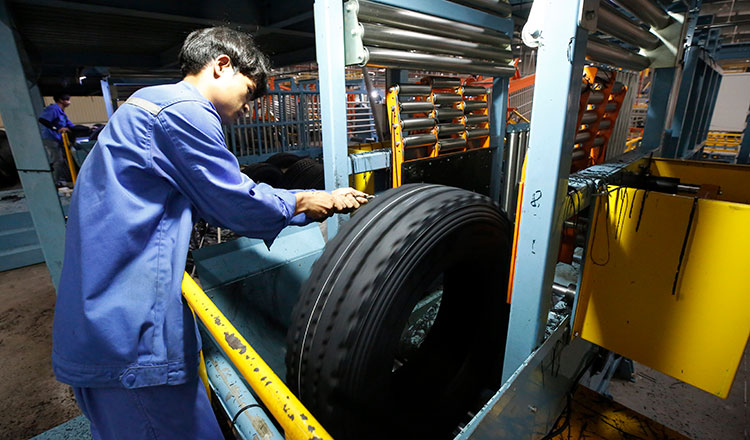
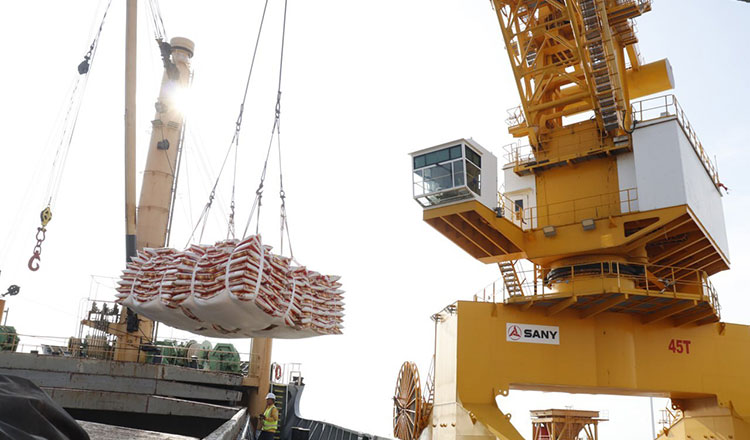
The framework focuses on establishing a competitive and resilient industrial base, fortifying domestic supply chains and deepening the country’s integration into regional production networks.
Cambodia is preparing three new 10-year policy frameworks aimed at modernising its industrial sector, strengthening workforce skills and creating more decent, higher-paying jobs as the Kingdom seeks to diversify its economy and improve national competitiveness.
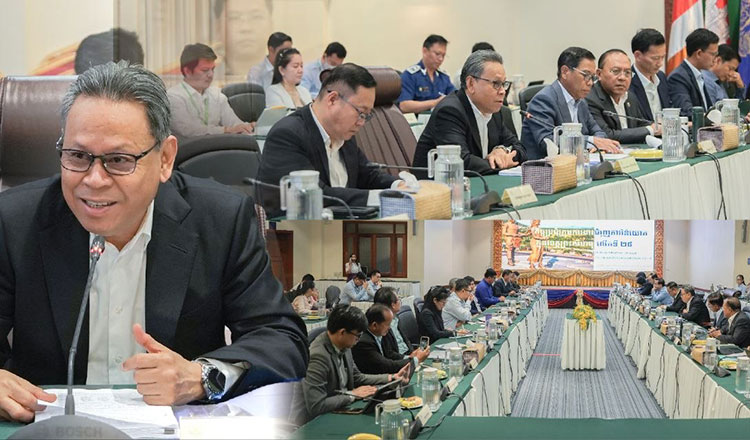
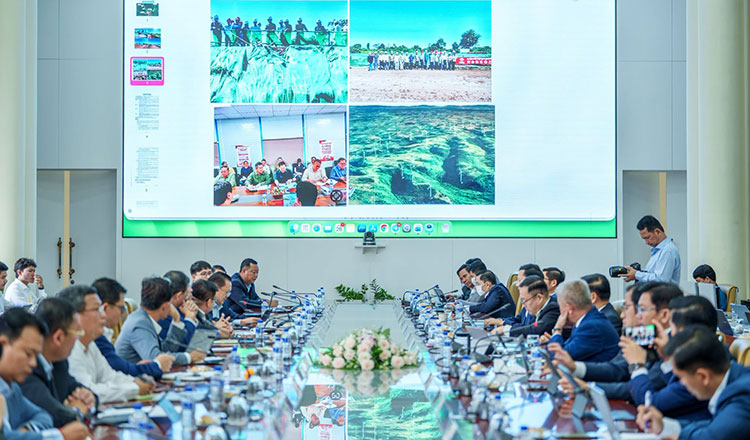
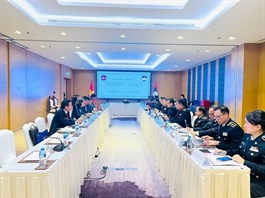
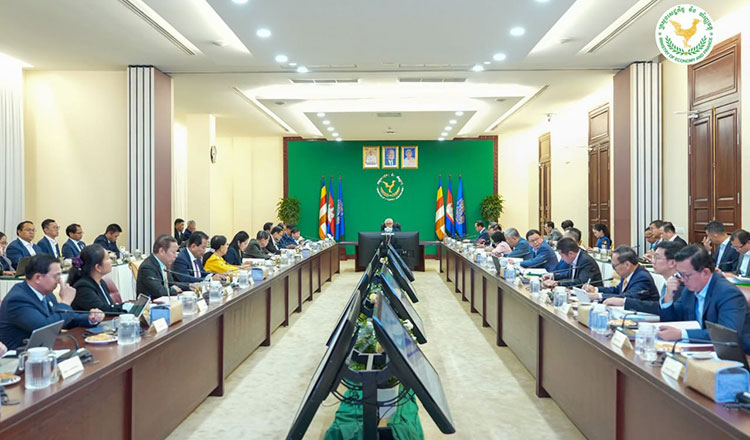
The draft Cambodia Industrial Development Policy 2026-2035, National Policy on Technical and Vocational Training 2026-2035 and National Policy on Employment and Labour 2026-2035 were reviewed during a meeting of the Economic and Financial Policy Committee, chaired by Deputy Prime Minister and Minister of Economy and Finance Aun Pornmoniroth earlier this week.
The meeting, held at the Ministry of Economy and Finance, brought together senior government officials, including Deputy Prime Minister and Minister of Land Management, Urban Planning and Construction Say Samal; Deputy Prime Minister and Minister of Justice Koeut Rith; Minister of Industry, Science, Technology and Innovation Hem Vanndy; and Minister of Labour and Vocational Training Heng Sour, alongside representatives of relevant ministries and institutions.
The three policy drafts are designed to support the government’s Pentagonal Strategy-Phase I, which prioritises economic diversification, human capital development and environmental sustainability while preparing the economy to respond to demographic changes and evolving global economic conditions, read a press release issued on Tuesday.
The draft Cambodia Industrial Development Policy 2026-2035, prepared by an inter-ministerial working group of the National Economic Council, envisions transforming Cambodia’s industrial structure from low-skilled, low-value-added production towards more skills-intensive, technology-driven and higher-value-added industries.
The policy seeks to build a competitive, diversified and resilient industrial base, strengthen domestic industrial capacity and connectivity and deepen Cambodia’s integration into regional production networks.
It sets out four key objectives: attracting quality investment that generates skilled employment, improves productivity and raises incomes; sustaining long-term industrial growth; developing supporting industries to boost productivity across the wider economy; and preparing the industrial sector to adapt to future trends while strengthening resilience and environmental management.
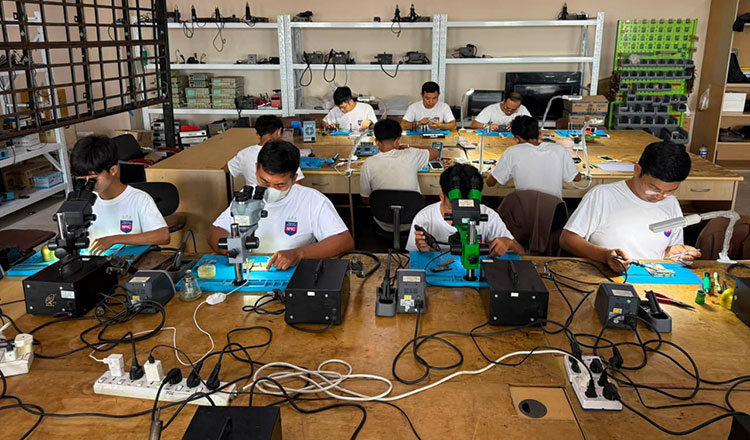
Meanwhile, the draft National Policy on Technical and Vocational Training 2026-2035, prepared by the Ministry of Labour and Vocational Training, aims to develop a skilled and adaptable workforce capable of meeting changing labour market demands.
The policy seeks to establish a quality, inclusive and forward-looking technical and vocational education and training system through stronger partnerships with the private sector and other stakeholders.
It also emphasises lifelong learning and skills development in response to digital transformation, the green transition and changing market needs.
The government sees workforce development as essential to improving productivity, supporting economic diversification, enhancing national competitiveness and expanding access to decent employment and higher incomes.
The draft National Policy on Employment and Labour 2026-2035 focuses on building a resilient, competitive and inclusive labour market that provides Cambodian workers with better employment opportunities and improved living standards.
Its priorities include developing human capital to meet employers’ needs, creating more high-income occupations, expanding decent work opportunities and strengthening labour market governance to support inclusive and resilient economic development.
“The three draft policies were developed through studies and consultations with relevant ministries and institutions, private sector representatives and development partners to ensure their relevance and practical implementation,” read the statement.
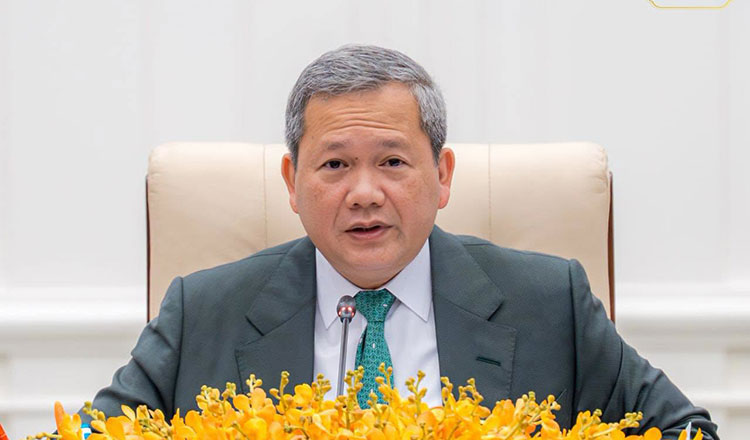
Pornmoniroth commended the collaboration of all relevant ministries and institutions, urging working groups to finalise the three draft policies by the end of November for government review and approval.
- 06:58 29/10/2026