

Cambodia’s trade expands 21% to cross $63B in 10 months
Cambodia’s trade expands 21% to cross $63B in 10 months
The commerce surge underscores expanding import and export sectors, backed by improved market access and bilateral free trade agreements.
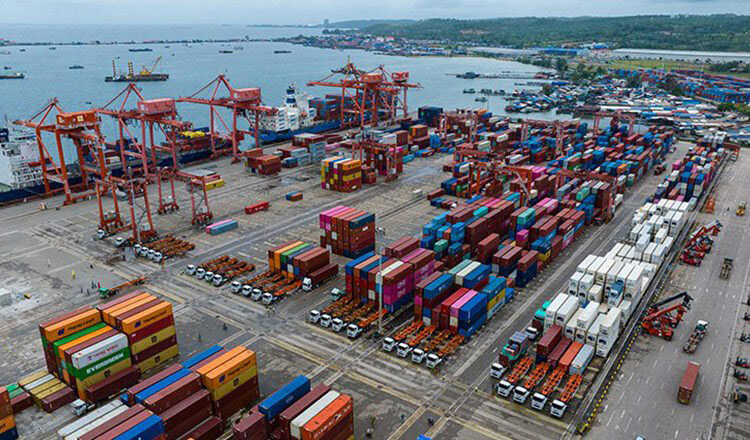
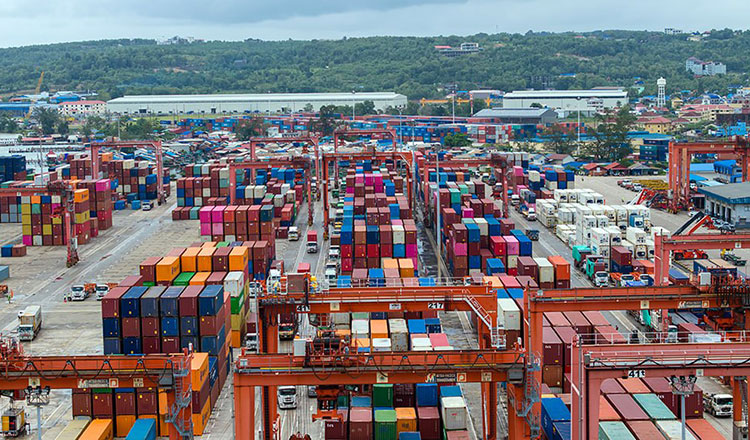
Cambodia’s international trade rose 21% year-on-year to $63.45 billion in the first 10 months of 2026, up from $52.58 billion, the General Department of Customs and Excise reported yesterday.
From January to October, Cambodia exported goods worth $29.98 billion to international markets, representing a 20.4% year-on-year increase, while imports rose 21.2% to $33.47 billion.
The strong growth in trade reflects the continued expansion of Cambodia’s export and import activities, supported by growing market access and the Kingdom’s participation in regional and bilateral trade agreements.
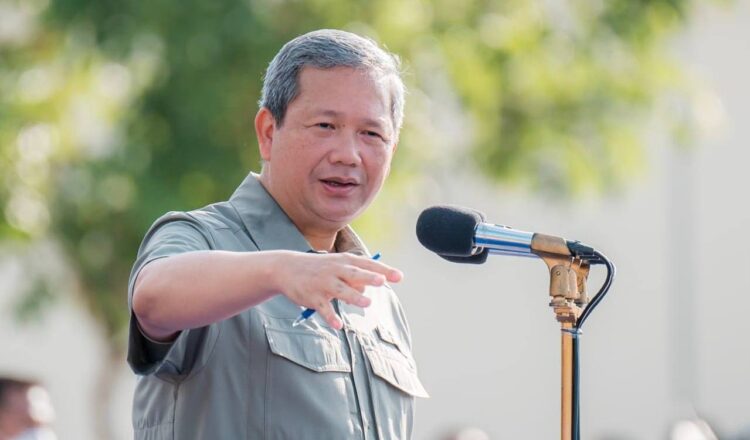
Minister of Commerce Cham Nimul attributed the growth of Cambodia’s international exports to the implementation of a comprehensive network of trade agreements, such as the Regional Comprehensive Economic Partnership (RCEP), alongside preferential trade systems.
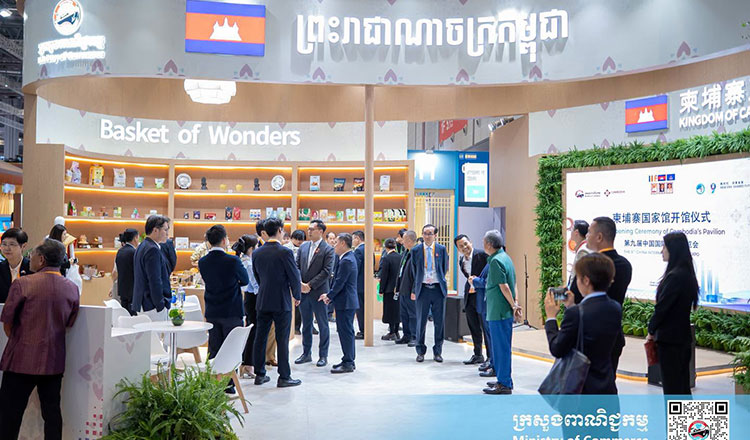
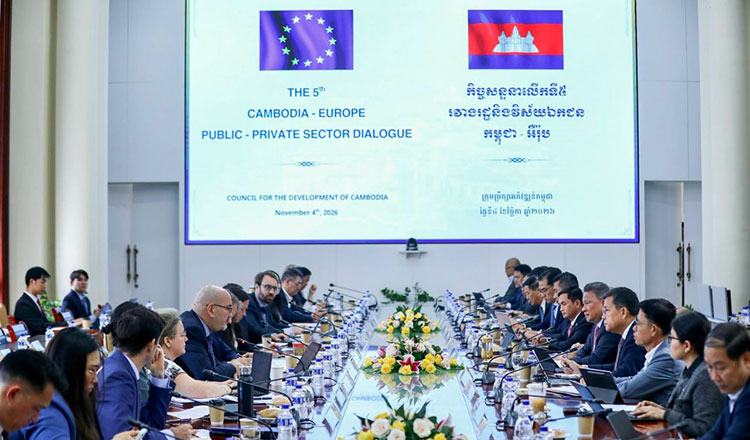
“Utilising these institutional frameworks is vital to slashing tariff barriers, driving down costs, enhancing price competitiveness and aggressively scaling market presence across Europe and worldwide,” Nimul said at an opening ceremony of a two-day forum, themed “Cambodia to the World: Trading with the European Union,” held in Phnom Penh yesterday.
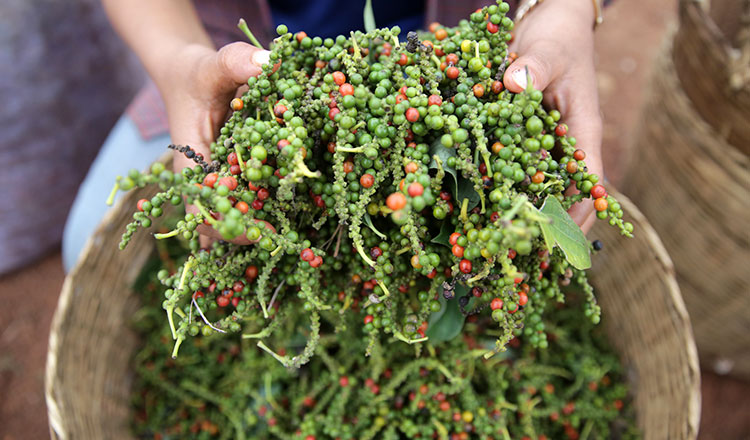
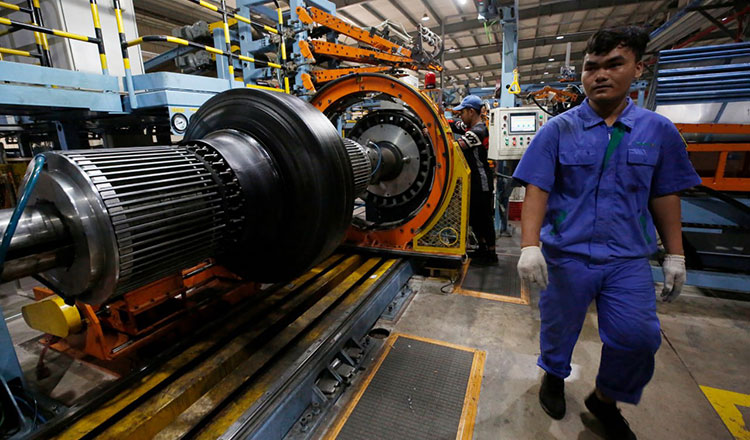
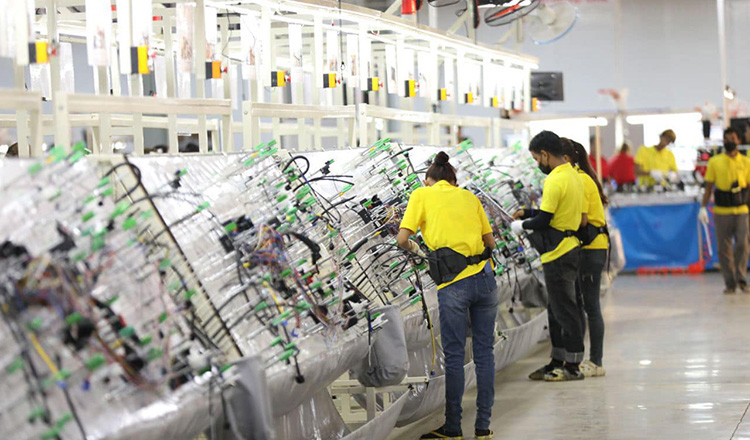
The Kingdom’s major export products include garments, footwear and travel goods, machinery and electrical equipment, agricultural products, bicycles, tyres, furniture and other manufactured goods.
According to the report, the Kingdom’s major trading partners were China, the United States and Vietnam, with bilateral trade reaching $19.65 billion, $13.82 billion and $7.16 billion, respectively, representing year-on-year growth of 23.3%, 29.1% and 8.8%.
Meanwhile, major imports include raw materials for manufacturing, petroleum products, vehicles, electronics and other consumer and production goods.
Cambodia’s export sector has traditionally been dominated by garments, footwear and travel goods, which together account for a major share of foreign exchange earnings and employment.
However, recent years have seen gradual diversification into higher-value sectors, including electronic components, bicycles, tyres and processed agricultural products.
Through trade facilitation measures, automation and other support mechanisms, the Ministry of Commerce (MoC) continues to pursue new market opportunities for Cambodian products and negotiate additional trade agreements.
“Currently, the MoC is studying the feasibility and discussing with new investment partners to create market opportunities and attractiveness for our people and investors,” said the Minister of Commerce.
Cambodia currently benefits from several major trade arrangements, including membership in the ASEAN Free Trade Area and the RCEP, the world’s largest trade pact.
The Kingdom has also signed bilateral free trade agreements with China, South Korea and the United Arab Emirates, providing preferential access to some of the world’s fastest-growing markets.
Cambodia Chamber of Commerce Vice-President Lim Heng said broader market access would benefit local producers while also making Cambodia a more attractive destination for foreign investment.
“Free trade agreements not only play an important role in enlarging markets but also attract investors to inject investment into the country for producing, generating jobs and boost exports to international markets,” Heng told Khmer Times.
- 08:51 11/11/2026