

PM calls for greater investment in nutrition and food safety
PM calls for greater investment in nutrition and food safety
Chanthol says the investment approvals reflect the government’s ongoing efforts to attract domestic and foreign capital through pro-business policies, targeted incentives and structural environment reforms.
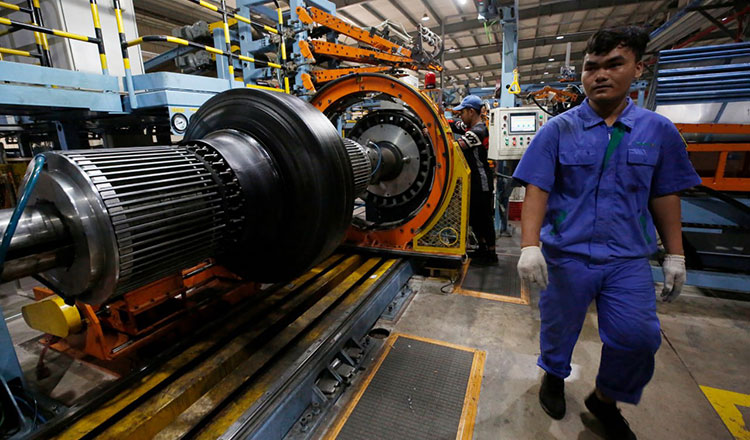
Cambodia approved 415 investment projects worth a combined $6.16 billion in the first 10 months of 2026, with the projects expected to generate approximately 236,000 jobs nationwide, according to a report from the Council for the Development of Cambodia (CDC) last Friday.
The registered investment capital covers both newly approved projects and additional capital injected into existing investments, reflecting investor interest in the country amid global economic uncertainties.
The industrial sector remained the main driver of investment during the January-October period, while agriculture and agro-industry, tourism and infrastructure also recorded an upward trend, the CDC reported.
“In the first 10 months of 2026, the industrial sector remained the core sector for attracting investment, while investments in special economic zones and investment projects in agriculture, tourism and infrastructure continued to contribute to diversifying economic activities and job creation in Cambodia,” the CDC said.
China remained Cambodia’s largest source of foreign direct investment, accounting for more than 50 percent of total investment capital, followed by domestic investors. Other major sources included Singapore, Vietnam, South Korea, the United States and Malaysia.
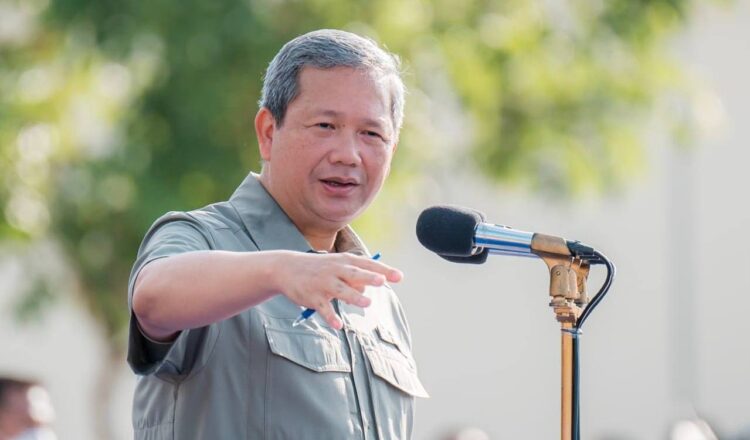
Deputy Prime Minister and CDC First Vice-Chairman Sun Chanthol said the investment approvals reflected the government’s continued efforts to attract domestic and foreign investors through business-friendly policies, investment incentives and reforms to improve the business environment.
“The Cambodian Government remains committed to strengthening Cambodia’s investment climate through administrative reforms, simplified procedures and improved public services to reduce the cost of doing business,” Chanthol said at a recent investment event in Phnom Penh.
He said the government would continue working to remove unnecessary administrative procedures, improve public service delivery and strengthen coordination among relevant institutions to facilitate investment and business operations.
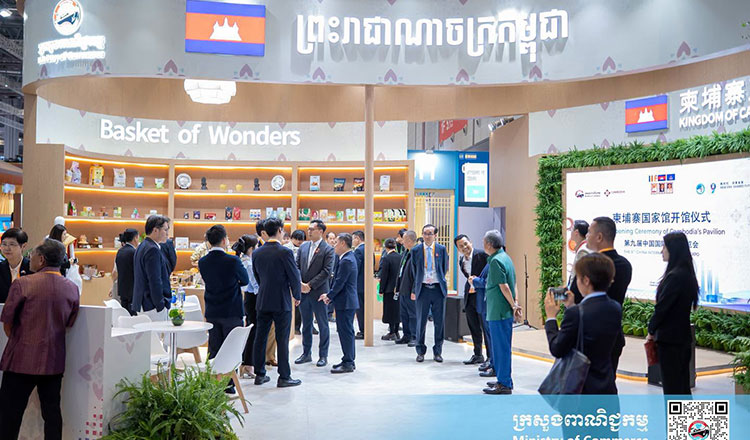
Cambodia Chamber of Commerce Vice-President Lim Heng viewed Cambodia’s investment growth as a result of the government’s continued efforts to improve the business environment, maintain political stability and expand market access through bilateral and regional free trade agreements (FTAs).
“Agreements such as the Regional Comprehensive Economic Partnership (RCEP) and Cambodia’s bilateral FTAs with major trading partners provide investors with broader opportunities to establish production bases in Cambodia and access regional and international markets,” Heng told Khmer Times.
He added that ongoing economic reforms, effective investment protection mechanisms and infrastructure improvements were important to strengthening investor confidence and attracting new investment.
Cambodia has been accelerating reforms to streamline business registration, improve administrative efficiency and strengthen coordination between government institutions and the private sector to facilitate investment activities.
The investment performance also comes as the government seeks to diversify the economy, strengthen industrial capacity, promote value-added production and expand employment opportunities for Cambodian workers.
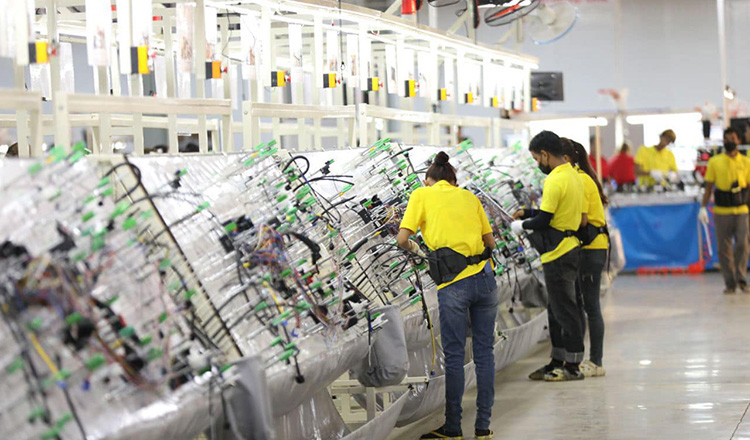
While traditional garment and footwear manufacturing remain important pillars of the industrial sector, the government is increasingly seeking to attract investment into higher-value-added industries and new manufacturing segments.
“Cambodia is preparing to attract investment into upstream industries and higher-value-added activities within global supply chains,” Chanthol said.
The country’s export performance has also reflected the expansion of its manufacturing base, supported by traditional apparel production and growing non-garment manufacturing sectors.
Cambodia’s exports rose 19.7% year-on-year to $24.16 billion in the first eight months of 2026, according to a report from the General Department of Customs and Excise of Cambodia.
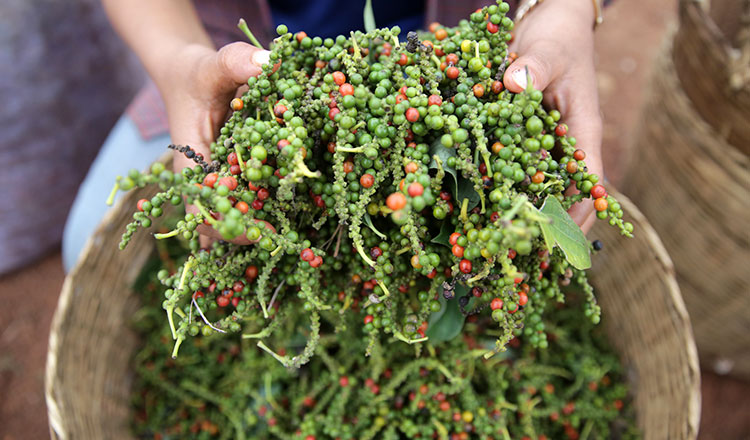
Major export products include garments, textiles, footwear, travel goods, agricultural products, furniture, vehicle tyres, solar panels, bicycles, electrical equipment, electronic components, automotive parts and fishery products.
- 07:56 09/11/2026