Cambodia moves to mitigate economic, financial stability risks
Cambodia moves to mitigate economic, financial stability risks
The session focuses on cross-sector policy execution to mitigate macro-financial risks, shield the domestic economy from global headwinds, and fortify long-term system liquidity.
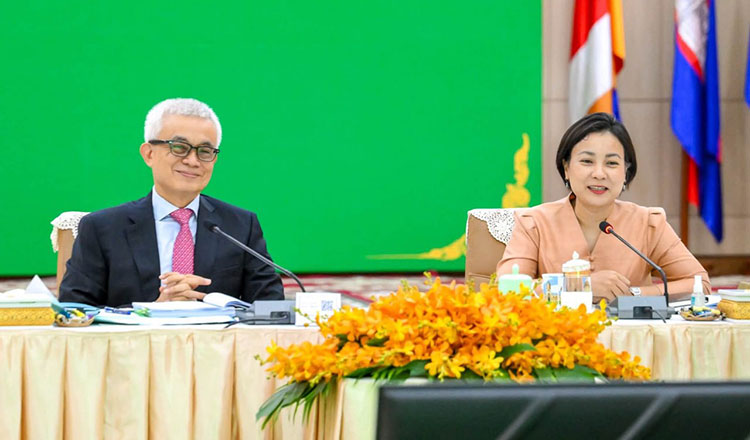
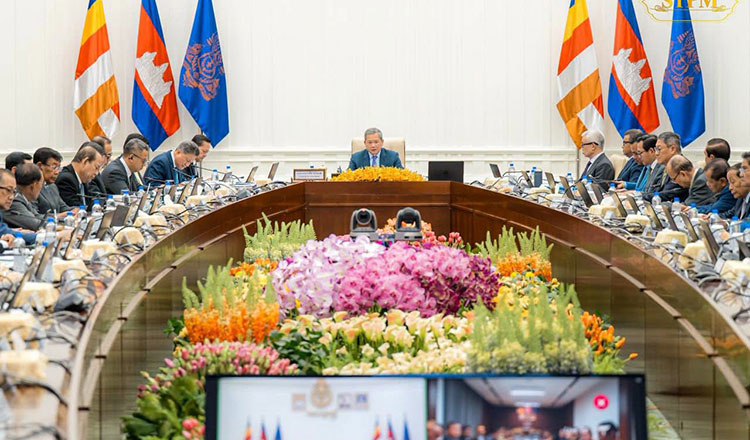
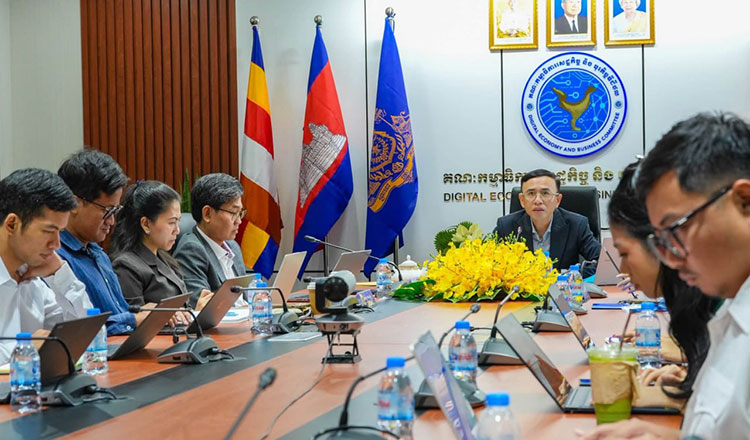
The National Financial Stability Subcommittee (NFSS) held a meeting earlier this week to review the Financial Stability Report for the first half of 2026 and discuss the year’s outlook, aiming to strengthen financial stability and implement measures to mitigate global and domestic economic risks.
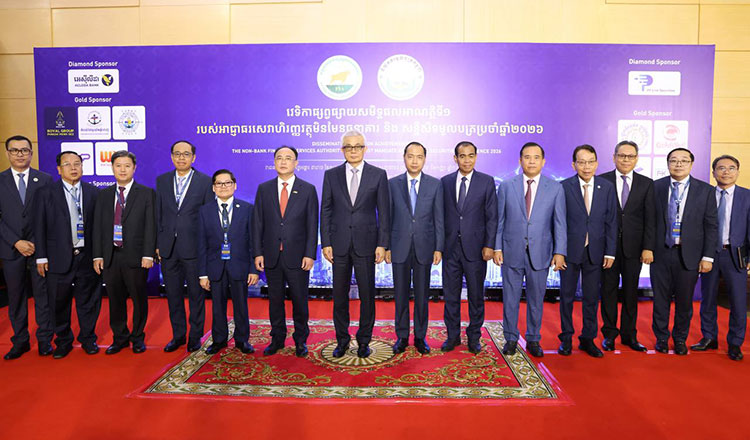
Deputy Prime Minister and Minister of Economy and Finance Aun Pornmoniroth and National Bank of Cambodia Governor Chea Serey on Monday co-chaired the second NFSS meeting to assess economic and financial risks facing the country, a press release from the National Bank of Cambodia (NBC) showed yesterday.
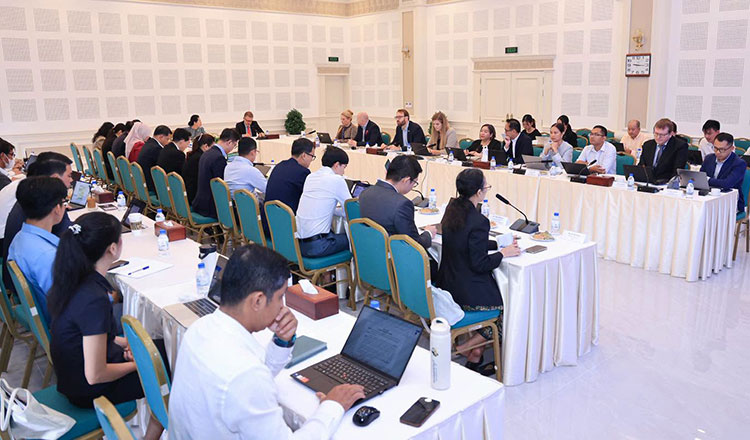
The meeting was held at the National Bank of Cambodia with the participation of representatives from the Ministry of Economy and Finance, NBC and the Non-Bank Financial Services Authority.
Officials discussed the current economic and financial situation, emerging challenges and the implementation of policies and measures by the Royal Government and financial authorities across the banking and non-banking sectors.
The meeting focused particularly on measures to mitigate the impacts of geopolitical developments, technological fraud and issues related to the Cambodia-Thailand border.
Participants also assessed macroeconomic and financial risks arising from global and domestic uncertainties, including the potential effects on both banking and non-banking institutions.
Discussions covered the transmission mechanisms and interconnectedness of these risks, which could affect overall financial stability.
The subcommittee reviewed proactive measures to prevent and manage the evolution of risks amid increased uncertainty, rapid developments and unpredictable economic conditions.
“The meeting commended the cooperation among the three institutions in maintaining financial stability, supporting economic growth and strengthening the confidence of investors and the public,” stated the press release.
It also underscored the importance of strengthening professional capacity and enhancing coordination in policy implementation.
Officials stressed the need for continued information and data sharing among financial authorities, ministries, institutions and other stakeholders.
Such cooperation would help strengthen financial stability through timely, effective and consistent monitoring, prevention and risk management, enabling Cambodia to better respond to potential economic and financial crises.
The meeting came as the International Monetary Fund (IMF), in its latest Article IV assessment released on Monday, warned that financial-sector vulnerabilities in Cambodia had become more visible amid tighter financial conditions, continued weakness in the real estate sector and rising asset-quality pressures.
The IMF also highlighted financial integrity risks, including concerns linked to scam activities and money laundering, and called for stronger cooperation among relevant agencies to strengthen licensing, supervision and enforcement.
It said improved data and information sharing among authorities would be important for monitoring financial conditions and responding to emerging risks.
- 14:02 01/10/2026