Cambodia’s workforce surges past 2.3M across 47,000+ enterprises
Cambodia’s workforce surges past 2.3M across 47,000+ enterprises
Sour attributes the growth to targeted government policies and strategic planning.
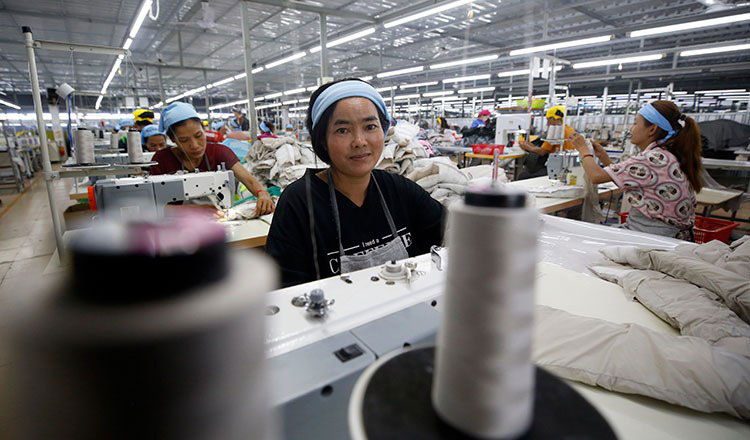
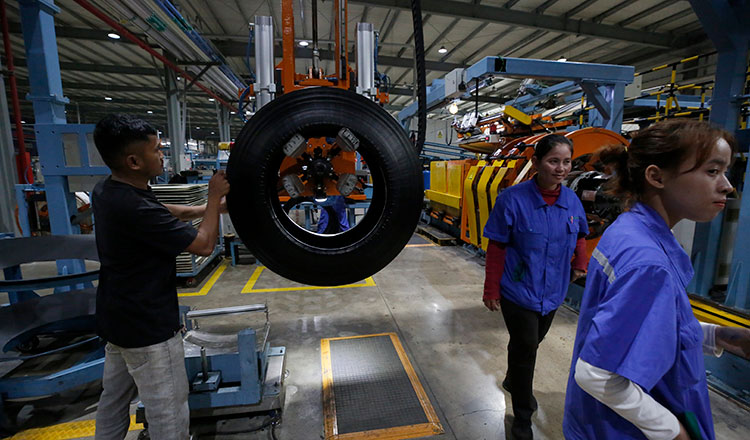
Cambodia hosts 47,494 active enterprises employing more than 2.3 million workers, according to a Ministry of Labour and Vocational Training report released yesterday. The data highlights a robust workforce footprint across the nation’s business sector as of June 2026.
The number of registered enterprises and factories increased from 46,000 at the end of 2025.
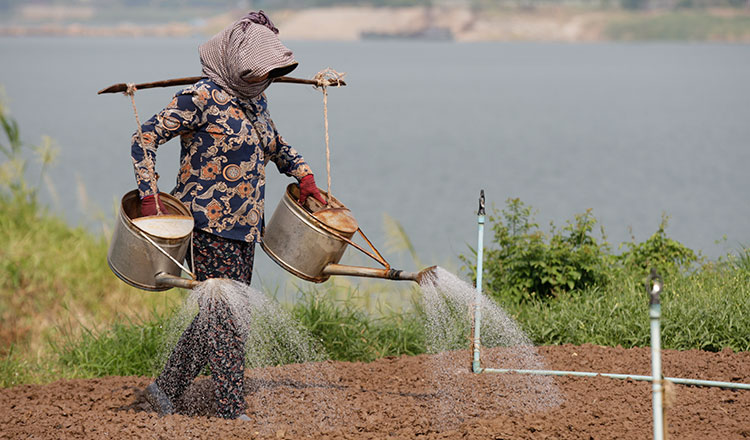
The enterprises span key sectors including garment sector, agriculture, industry, and handicrafts and small manufacturing.
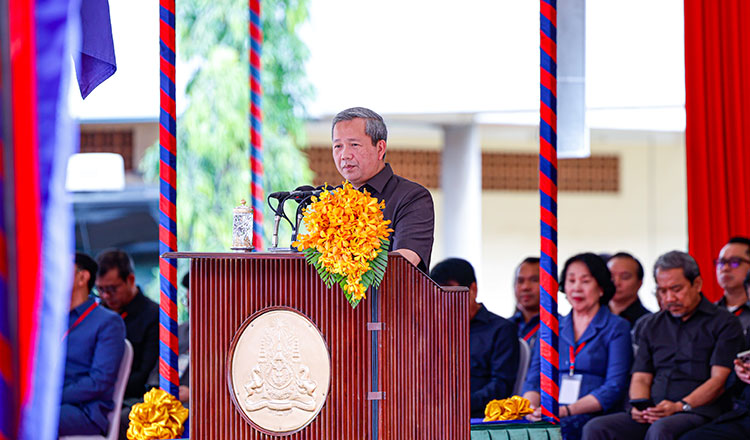
Minister of Labour and Vocational Training Heng Sour attributed the rise to government policies and strategic plans on employment development, social security and vocational training, which he said have supported economic growth and improved workers’ livelihoods.
“The implementation of these measures has significantly contributed to protecting workers’ rights, benefits and working conditions both inside and outside the formal system, resulting in continuous improvement,” he said at a recent meeting in Phnom Penh.
The minister added that improved workplace conditions and professional industrial relations have boosted investor confidence, helping to attract steady domestic and foreign investment.
The ministry report, however, did not disclose the total value of investment by the registered enterprises and factories.
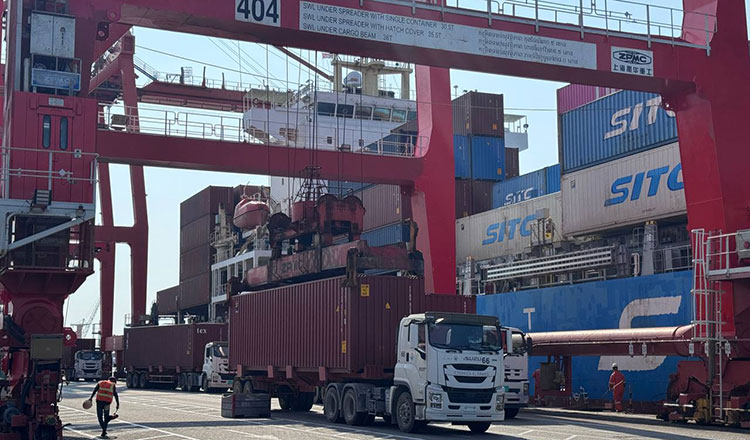
The garment, footwear and travel goods (GFT) sector remains Cambodia’s largest source of foreign exchange and employs nearly one million people, the majority of them women.
Cambodia exported GFT products worth nearly $8 billion in the first half of 2026, a 6.2 percent year-on-year increase, the General Department of Customs and Excise said. Revenue from the sector represented 46.8 percent of total exports.
The main markets for Cambodia’s GFT products are the United States, the European Union, Canada and Japan, the Ministry of Commerce said.
The sector faces uncertainty amid ongoing U.S. tariff measures, including a new 10 percent Section 301 tariff on garments and other goods.
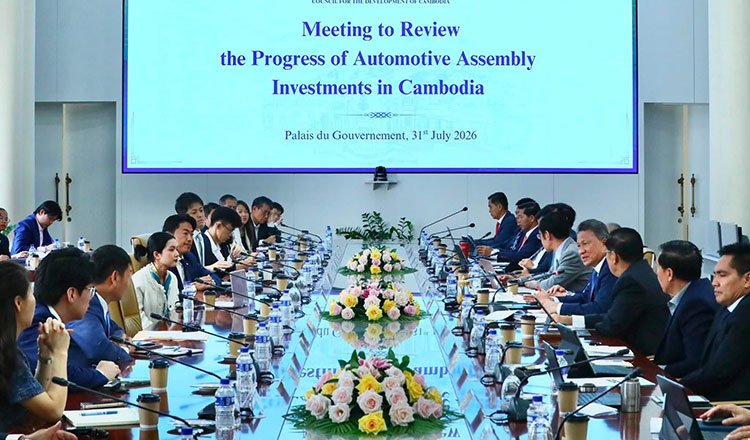
Deputy Prime Minister Sun Chanthol, also First Vice-Chairman of the Council for the Development of Cambodia, sought last week to downplay the impact, saying the rate is not an additional charge layered on previous proposals, and arguing that Washington has used forced-labour concerns as a regulatory pretext.
- 08:19 04/08/2026