Easing energy shock could propel Kingdom to 4.5 percent growth
Easing energy shock could propel Kingdom to 4.5 percent growth
AMRO says maintaining exchange rate stability remains critical to cushion against external energy shocks, while strengthening liquidity oversight and the bank resolution framework should be near-term priorities to safeguard confidence.
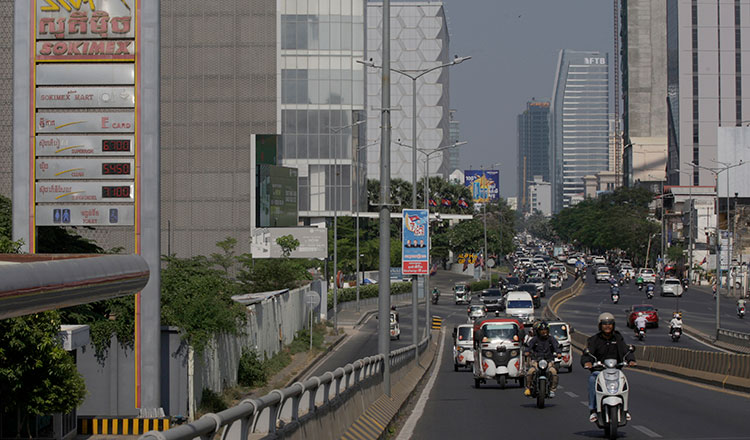
Cambodia’s could expand by around 4.5 percent if easing tensions in the Middle East bring global oil prices down, reducing pressure on households and businesses, according to the latest report from the ASEAN+3 Macroeconomic Research Office (AMRO). The upside scenario, detailed in AMRO’s Annual Consultation Report on Cambodia 2026 released yesterday, assumes a de-escalation of tensions in the Middle East that brings global oil prices down to around $80 a barrel, allowing the economy to expand by around 4.5 percent.
According to the report, lower energy costs would reduce transport and logistics expenses, improve fertiliser affordability for farmers and help preserve household purchasing power, providing meaningful relief to the agricultural and services sectors that are expected to face greater strain under higher oil prices.
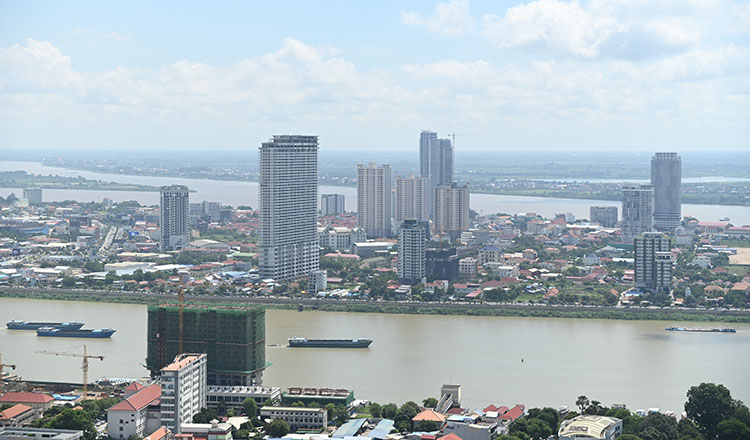
Outside the upside scenario, AMRO noted that Cambodia’s economy demonstrated relative resilience in 2025, with growth estimated at 5.3 percent despite a series of external shocks. The garment sector remained robust while the services sector underperformed and construction activity stayed weak.
Under its baseline outlook, AMRO expects the continued suspension of cross-border activities to constrain trade, tourism and labour mobility this year. While manufacturing should remain resilient, higher oil and fertiliser prices linked to the Middle East conflict are expected to raise costs and weaken domestic demand.
The Royal Government’s intensified crackdown on scamming activities, while beneficial for long-term growth and the Kingdom’s international standing, may also temporarily soften economic activity in the short term.
Inflation, which averaged 2.5 percent in 2025 as alternative supply sources offset border-related disruptions, is projected to rise in 2026 as domestic fuel prices track global oil markets. AMRO warned that higher energy prices could also trigger second-round increases in food and core inflation.
Cambodia’s external position, supported by stable foreign direct investment inflows last year, is expected to come under pressure from a wider current account deficit driven by elevated oil import costs and lower remittances following the return of migrant workers.
On the financial side, credit growth remained subdued, reaching 5.4 percent at the end of 2025 before slowing again in early this year. The non-performing loan ratio remained elevated at above 8 percent.
While depositor confidence has been affected by developments related to online scams and isolated bank liquidations, AMRO assessed that immediate spillover risks remain limited, citing relatively low interbank exposure as well as strong capital adequacy and liquidity coverage across the banking sector.
To mitigate these risks, AMRO stressed the need for proactive and well-targeted policy measures. It said the 2026 budget’s expansionary fiscal stance is appropriate in responding to the oil price shock, provided support measures remain temporary and targeted at vulnerable households and businesses.
The report said expedited labour market and social protection measures would help cushion the impact of the border conflict, while stronger revenue collection, improved spending efficiency and prudent debt management are needed to rebuild fiscal reserves over the medium term.
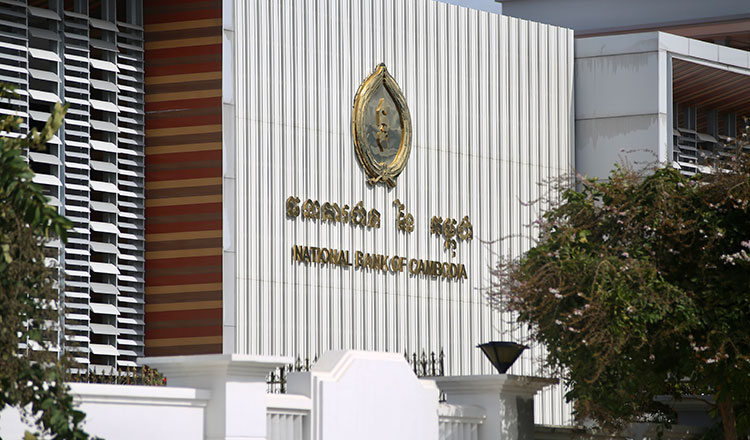
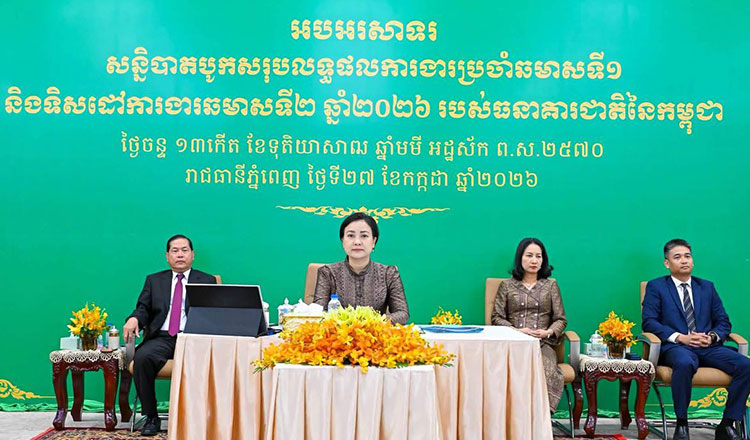
The National Bank of Cambodia (NBC) is advised to maintain an accommodative policy stance while taking timely action to resolve elevated non-performing loans and further develop the interbank market.
AMRO also stressed that the NBC and the Ministry of Economy and Finance should coordinate closely on potential arrangements to address banking sector vulnerabilities, recognising that some measures may involve risk sharing.
Maintaining exchange rate stability remains critical to cushion against external energy shocks, while strengthening liquidity oversight and the bank resolution framework should be near-term priorities to safeguard confidence.
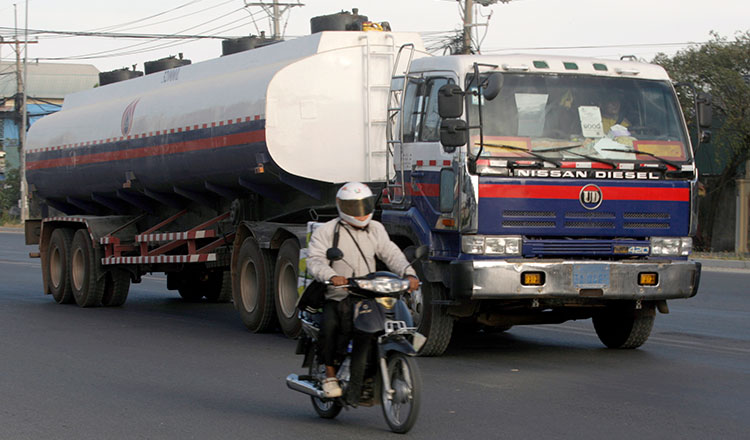
Beyond short-term policy measures, AMRO highlighted the importance of strengthening Cambodia’s long-term energy security. The report noted that the country’s heavy reliance on imported petroleum products leaves it vulnerable to global price volatility and supply disruptions.
Diversifying the energy mix through liquefied natural gas infrastructure, renewable energy, strategic fuel reserves and energy storage systems would strengthen the Kingdom’s resilience to external shocks while supporting longer-term structural transformation, AMRO added.
- 09:05 30/07/2026