Germany, Cambodia bolster green garment push as global rules tighten
Germany, Cambodia bolster green garment push as global rules tighten
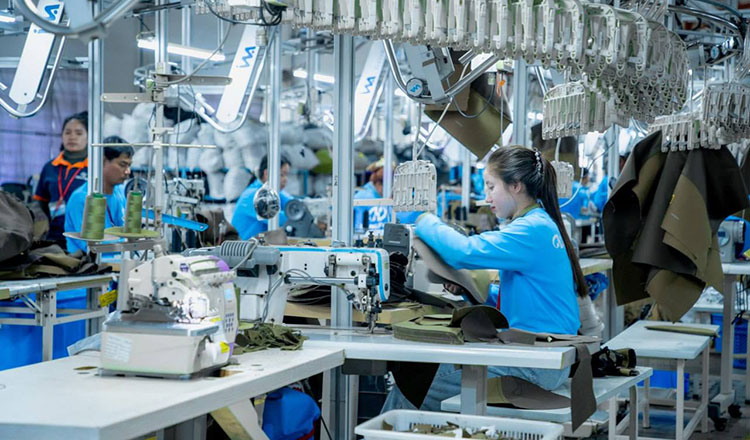
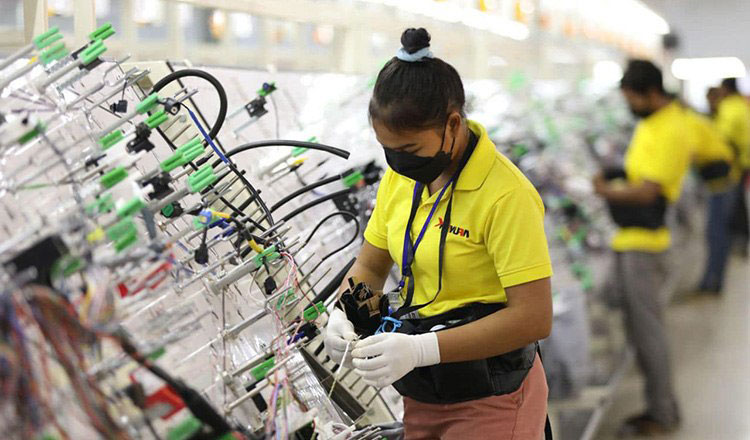
Cambodia and Germany launched the second phase of a technical cooperation project yesterday, intensifying efforts to improve the nation’s garment, footwear, and travel goods (GFT) sector as Western buyers demand tougher environmental and labour standards.

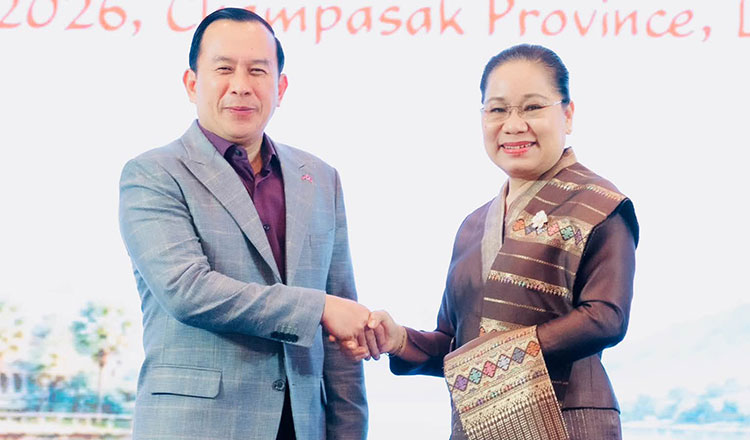
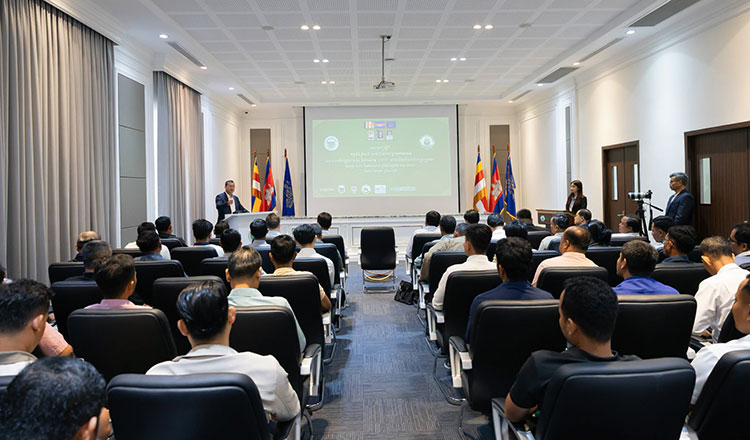
The initiative, FABRIC Cambodia II, was formalised at a ceremony at the Ministry of Labour and Vocational Training. Signatories included the labour and economy ministries alongside Germany’s GIZ development agency, with Minister Heng Sour and German Embassy Deputy Head of Mission Christof Weigelmeier overseeing the deal.
The new phase focuses on supply-chain transparency and compliance with international social and environmental rules, moving beyond factory-floor audits to embed sustainability through public-private policy dialogue and workforce training.
“This is a partnership to future-proof our industry,” Sour said, noting that the GFT sector anchors Cambodia’s economy but faces a “critical transition” as the EU and US increasingly enforce ESG (Environmental, Social, Governance) criteria and human-rights due-diligence laws.
Weigelmeier stressed that stronger compliance bolsters Cambodia’s edge in competitive global supply chains, especially as the country prepares to graduate from Least Developed Country status in 2027—a shift that will remove trade preferences and make standard compliance a commercial necessity.
The project aligns with Cambodia’s Pentagonal Strategy and GFT Development Roadmap 2022-2027, prioritising decent work, productivity, and legal accountability. Beyond funding, GIZ will provide technical expertise and policy advice to help Cambodia navigate upcoming EU and German supply-chain legislation.
The Deputy Head of Mission said Germany is proud to extend its partnership with Cambodia to advance labour rights and environmental standards.
- 08:30 07/07/2026