Cambodia drafting commercial code to eliminate economic barriers
Cambodia drafting commercial code to eliminate economic barriers
The establishment of a commercial code will provide many benefits, especially equitable and fair treatment for all actors in the fields of economy, trade and business.
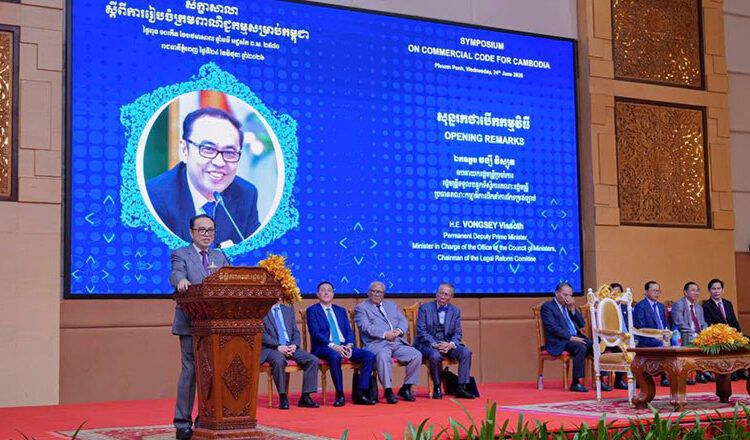
The Cambodian Government has been taking another historic step in the legal system reform programme by mobilising resources and experts to develop a single Commercial Code, for the country, an initiative aimed at eliminating economic barriers, protecting investor interests, and creating a level playing field in the free market.
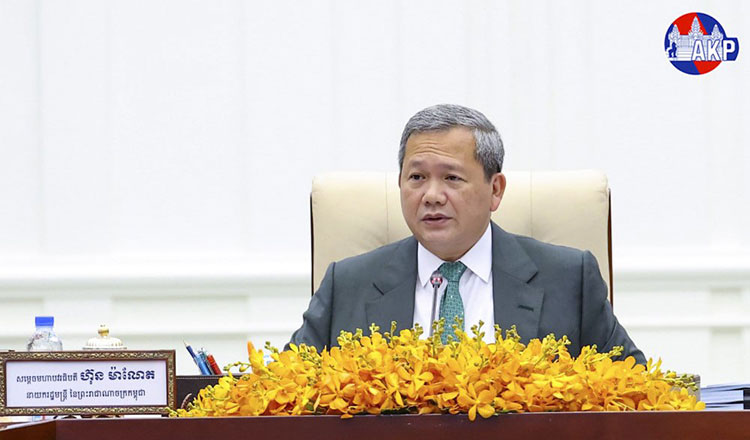
The move was demonstrated at the Symposium on ‘Commercial Code for Cambodia’ held on Wednesday, under the presidency of Vongsey Vissoth, Deputy Prime Minister, Minister in charge of the Office of the Council of Ministers, and Chairman of the Legal Reforms Committee, with the participation of approximately 400 senior officials from judicial institutions, besides representatives of the private sector, diplomats, and national and international legal experts.
Although in the last nearly three decades, Cambodia has achieved many legal accomplishments that served socio-economic development and regional integration, the current commercial legal system is facing a number of significant challenges that are a major barrier to economic growth.
Along with key developments, a number of fundamental issues have also arisen in the Cambodian legal system, such as the issue of Cambodian legal identity being mixed, the inconsistency of existing laws, the gap between policy and law, the gap between law and law enforcement, some laws not being implementable or outdated, as well as issues with institutional structures and overlapping jurisdictions, etc.
To address these core issues, the Deputy Prime Minister stressed that the inclusion of all necessary rules governing all trade under a single code is indispensable.
“The establishment of a commercial code will provide many benefits, especially equitable and fair treatment for all actors in the fields of economy, trade and business, which is an important strategic aspect within the framework of national economic development,” said Vissoth.
When the law is consistent and clear, it will help reduce bureaucracy, increase confidence in the judiciary and trade dispute resolution mechanisms, which are catalysts for attracting more foreign investment flows, he added.
The symposium featured discussions with panelists and experts from the government, private sector and developing partners.
In a roundtable discussion, Tan Monivann, Vice-President of the Cambodia Chamber of Commerce, expressed support for the legal reforms.
“In the current era, drafting laws and implementing them on AI platforms helps ensure the effectiveness of laws and avoid future revisions,” he said.
He also noted that the ‘Commercial Code for Cambodia’ requires significant human resources for development and proposed the establishment of a joint working group to assist in reviewing the technical aspects of amended and compiled laws.
Although the development of the trade code is a long-term project that requires in-depth study and participation from all stakeholders, the government has identified the reforms for strengthening legal governance.
- 08:41 26/06/2026