Cambodia eyes new trade deals to sustain growth
Cambodia eyes new trade deals to sustain growth
The Ministry of Commerce is pursuing negotiations with several key trading partners, including Turkey, countries in the Middle East, and the United Kingdom, to establish new FTAs that would create fresh opportunities for Cambodian producers and exporters.
Cambodia is accelerating efforts to expand its network of free trade agreements (FTAs) and bilateral economic partnerships as part of a broader strategy to diversify export markets, attract investment, and strengthen long-term economic growth ahead of its graduation from least-developed country (LDC) status in 2029.
The Ministry of Commerce is actively pursuing negotiations with several key trading partners, including Turkey, countries in the Middle East, and the United Kingdom, to establish new FTAs that would create fresh opportunities for Cambodian producers and exporters.
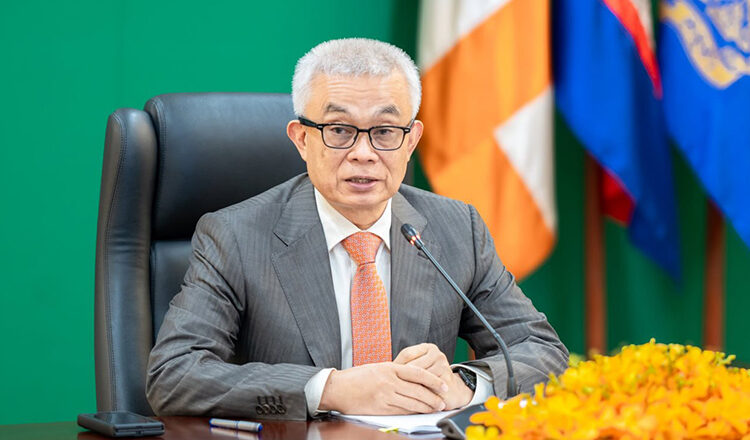
Penn Sovicheat, Secretary of State and Spokesman for the Ministry of Commerce, said expanding market access remains a priority as Cambodia seeks to reduce reliance on a limited number of export destinations.
“Cambodia is looking to expand markets for made-in-Cambodia products through negotiating for FTAs with major trade partner countries,” Sovicheat told Khmer Times.
Cambodia currently benefits from several major trade arrangements, including membership in the ASEAN Free Trade Area (AFTA) and the Regional Comprehensive Economic Partnership (RCEP), the world’s largest trade pact. The Kingdom has also signed bilateral FTAs with China, South Korea, and the United Arab Emirates, providing preferential access to some of the world’s fastest-growing markets.
According to the Ministry of Commerce, upcoming negotiations will complement Cambodia’s existing commitments within ASEAN and multilateral frameworks while focusing on sectors with strong export potential, including textiles, agro-industrial products, and light manufacturing.
“Trade liberalisation remains central to the country’s strategy for sustaining export growth and diversifying markets. These FTA agreements aim to diversify the Kingdom’s export markets and enhance global trade competitiveness,” Sovicheat said.
The private sector has welcomed the government’s efforts. Lim Heng, Vice President of the Cambodia Chamber of Commerce (CCC), said broader market access would benefit local producers while also making Cambodia a more attractive destination for foreign investment.
“The more markets we have, the more benefits to our producers and exporters,” Heng said. “FTAs do not only play an important role in enlarging markets but also in attracting investors to come into the country for producing, generating jobs, and exporting to markets.”
However, he emphasised that trade agreements alone would not guarantee success. Cambodia must continue improving logistics infrastructure, expanding access to finance, and strengthening the capacity of local producers to meet international standards and increase production volumes.
The urgency of securing new trade partnerships has grown as Cambodia prepares to graduate from LDC status in 2029. Graduation is expected to gradually reduce the preferential trade arrangements that have helped fuel the Kingdom’s export-led growth over the past two decades.
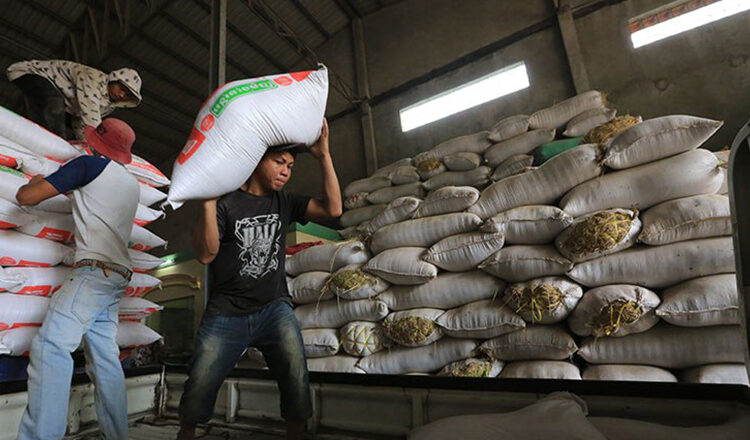
Cambodia’s garment, footwear, and travel goods industries currently employ more than one million workers and remain among the country’s largest export earners. Agricultural exports, including rice, cashew nuts, cassava, and fresh produce, have also gained increasing traction in regional and global markets.
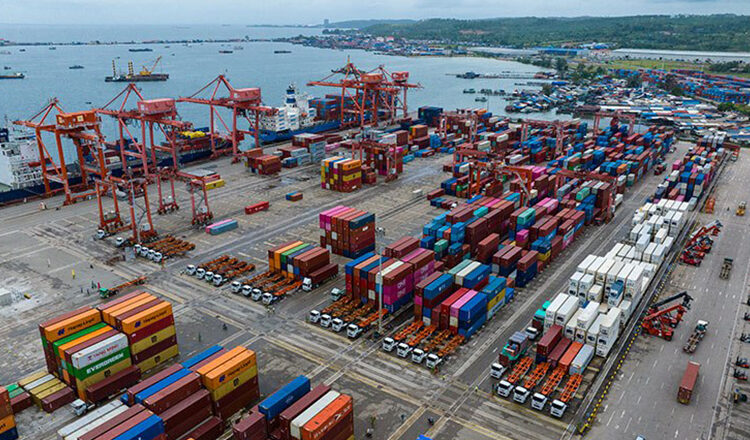
Recent trade figures underscore the momentum of Cambodia’s export sector. According to the General Department of Customs and Excise, the country’s international trade volume reached $30 billion during the January-May period of 2026, representing a year-on-year increase of nearly 19 percent. Exports rose 19 percent to $14 billion, while imports increased 18.9 percent to $16 billion.
- 07:14 23/06/2026