Rubber processing factory set for official opening in T Khmum
Rubber processing factory set for official opening in T Khmum
Prime Minister Hun Manet is expected to preside over the official opening along with Chinese Ambassador to Cambodia Wang Wenbin.
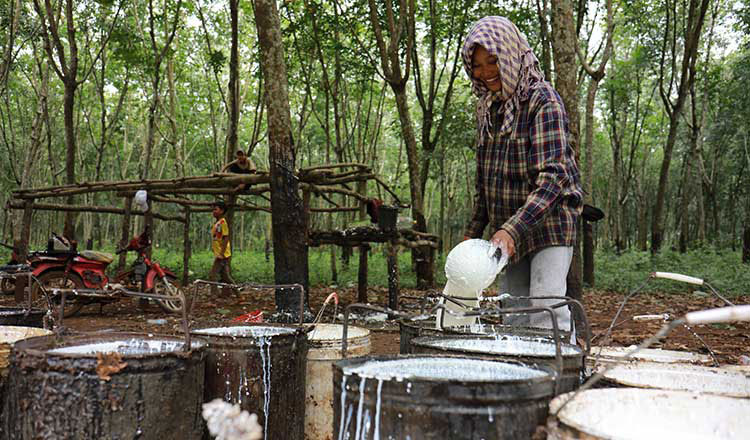
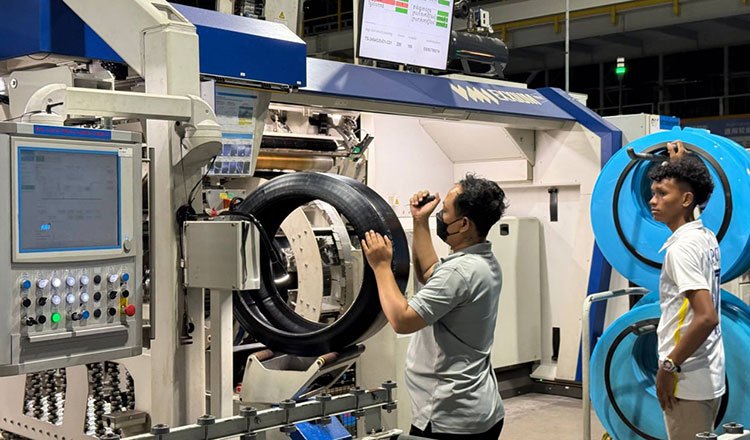
A rubber processing factory by a subsidiary of a Chinese firm is set to officially open on Wednesday in Tbong Khmum province, making a significant step in processing raw materials into manufacturing products.
Kims Rubber (Cambodia) Co., Ltd. was licensed by the Council for the Development of Cambodia in September last year on its investment project for the establishment of a rubber processing factory in Tboung Khmum District, Tboung Khmum Province.
The company is a subsidiary of China-based Mainland Group, a global enterprise specialising in agricultural commodity trading such as natural rubber, mixed rubber, synthetic rubber, cotton, palm oil, dried cassava, starch, soybeans, wheat, sugar, and other import and export businesses.
The rubber processing factory of Kims Rubber (Cambodia) Co., Ltd in Tbong Khmum province will be officially inaugurated this Wednesday.
Prime Minister Hun Manet is expected to preside over the official opening along with Chinese Ambassador to Cambodia Wang Wenbin, according to an official statement.
High-ranking provincial officials, representatives from the Ministry of Agriculture, Forestry, and Fisheries, and corporate executives from the Chinese parent company are expected to attend.
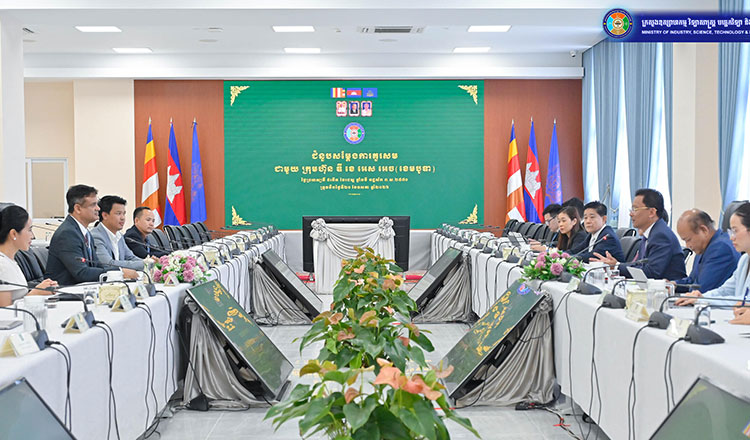
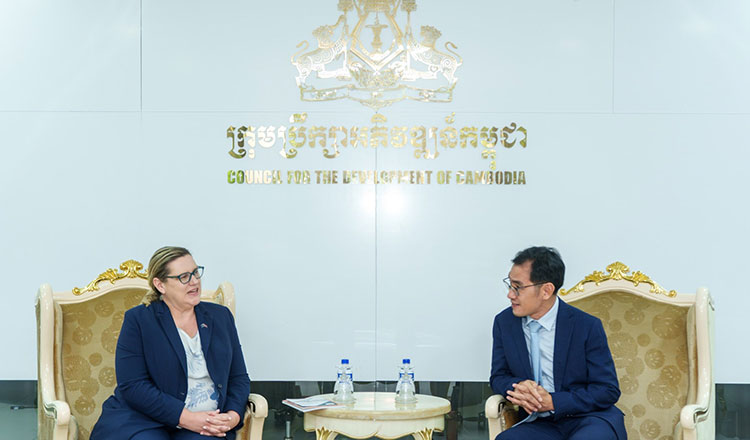
Representatives of the Mainland Group paid a courtesy call to Minister of Commerce Cham Nimul yesterday, and discussed the company’s long-term vision and strategic plan for investment in the agro-industrial sector, especially focusing on the processing of Cambodia’s potential agricultural products, including cashew nuts and cassava, for export to international markets.
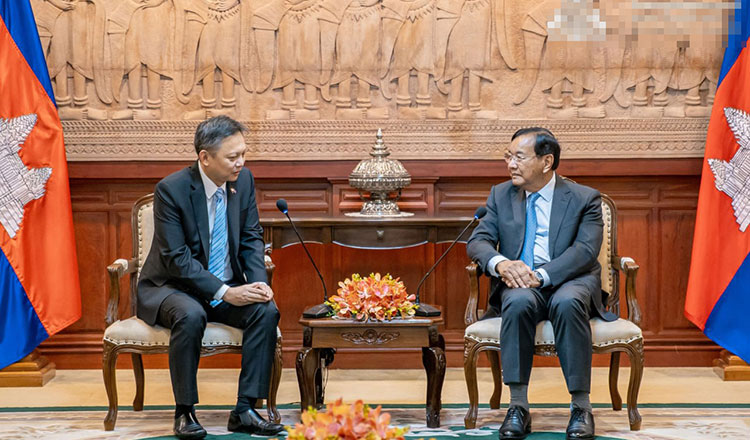
Nimul highlighted the government’s efforts to improve the business and investment environment with high potential and competitiveness, and emphasised the indispensable role of the private sector as the engine driving economic growth and actively contributing to national socio-economic development.
Additionally, the minister congratulated the Mainland Group for its decision to invest in establishing a production and processing plant in Cambodia, which is a testament to the high confidence of foreign investors in Cambodia’s political and economic stability.
Due to limitations of processing facilities, rubber farmers have been highly vulnerable to global market fluctuations, often having to export raw rubber latex across the border for processing due to a lack of advanced local facilities.
This launch aligns directly with the Royal Government of Cambodia’s ongoing efforts to modernise its agro-industrial sector with materials specifically made for industrial manufacturing, such as the production of automotive tyres and footwear components.
Cambodia currently maintains about 450,000 hectares of rubber plantations, producing approximately 420,000 tonnes annually, positioning the country to further integrate its agricultural and manufacturing sectors.
The Kingdom earned $127 million from rubber latex exports in the first quarter of 2026, up 15.67 percent year on year, driven by stable global prices and sustained demand from regional markets, according to official data.
Major buyers included Japan, Thailand, the United States, China, Canada, Viet Nam, the Philippines, South Korea, and Malaysia.
According to data, Cambodia’s automobile tyre exports surged in the first quarter of 2026, generating over $472 million, a 42.37 percent increase from $331 million in the same period last year.
In March this year, the Cambodian Investment Board met with the Cambodian Rubber Development Association to strengthen the domestic rubber supply chain. Discussions focused on improving local sourcing, addressing industry challenges, and advancing the “on-spot export” mechanism.
- 08:08 26/05/2026