Cambodia-Malaysia trade rises nearly 50% despite challenges
Cambodia-Malaysia trade rises nearly 50% despite challenges
Looking ahead, both countries are expected to deepen economic cooperation through bilateral agreements and regional initiatives. Officials indicate that further collaboration in sectors such as digital economy, halal products, and green technology could unlock additional opportunities.
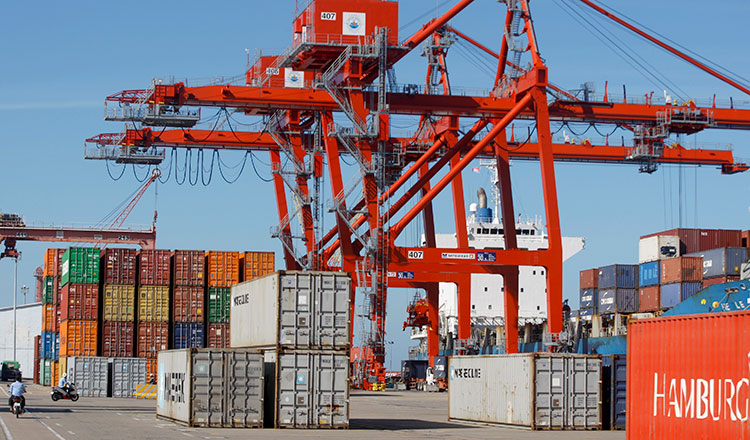
Cambodia’s trade with Malaysia surged sharply in the first quarter of 2026 to reach $373 million, reflecting growing economic ties within Southeast Asia and continued regional integration under the ASEAN framework.
According to newly released trade data from the General Department of Customs and Excise (GDCE), trade between Cambodia and Malaysia jumped 49.4 percent in the January to March 2026 period, compared to the same period last year. The surge highlights growing commercial exchanges despite ongoing global economic uncertainties.
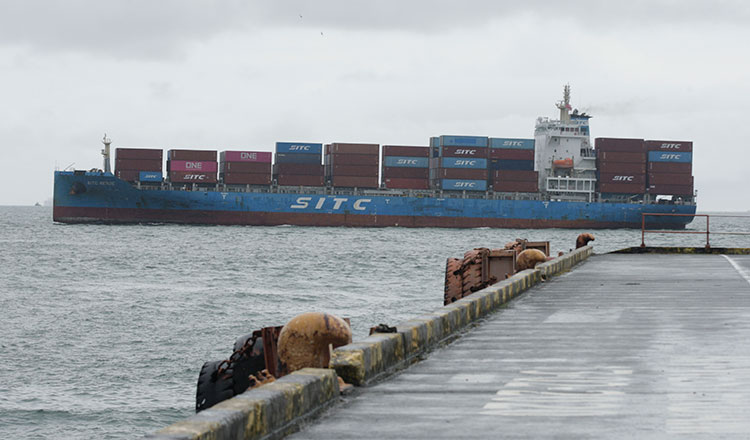
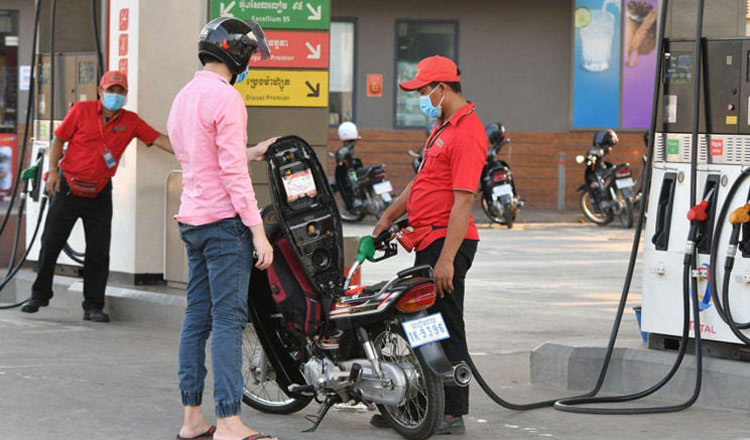
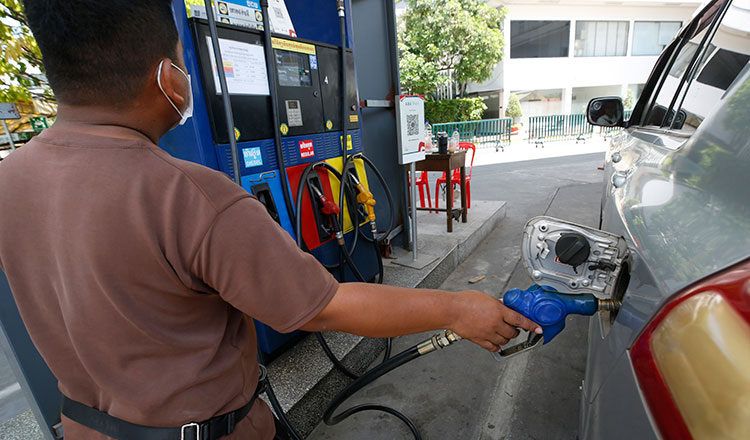
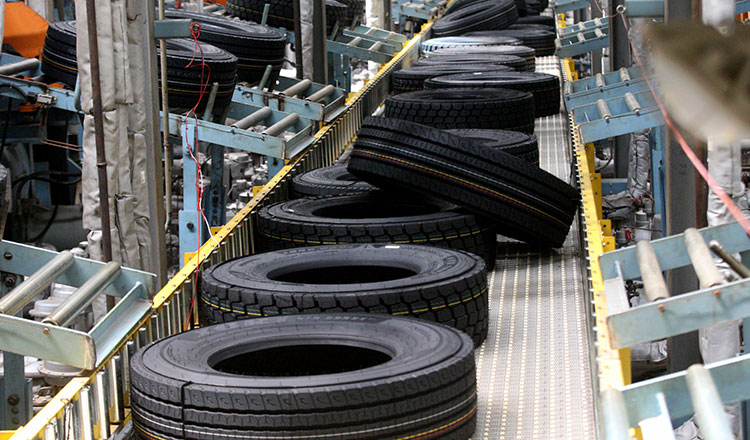
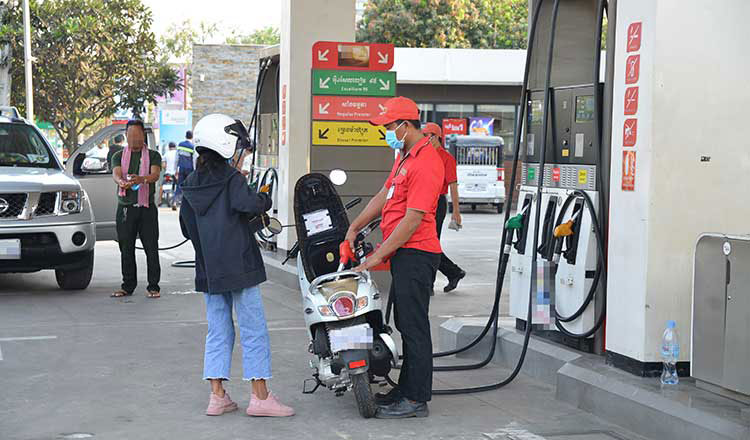
Cambodia’s exports to Malaysia totalled $55 million during the three-month period, while imports from Malaysia significantly outpaced exports, reaching $318 million. The resulting trade imbalance underscores Cambodia’s continued reliance on imported goods such as petroleum products, machinery, and industrial inputs, which are critical to sustaining its manufacturing and construction sectors.
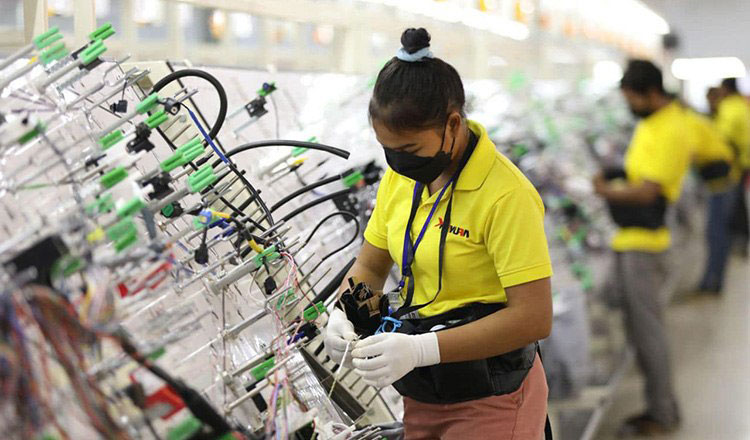
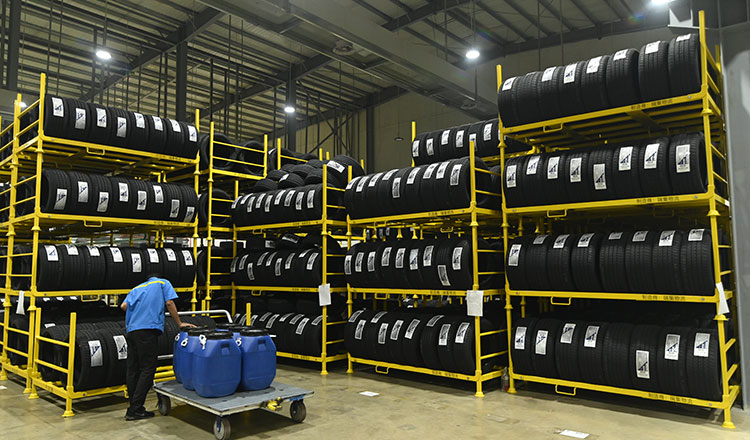
The sharp rise in trade volume reflects both recovering regional demand and Cambodia’s ongoing efforts to diversify its export markets beyond traditional partners such as the United States and the European Union. Malaysia, with its relatively advanced industrial base, has become an increasingly important supplier of intermediate goods used in Cambodia’s garments, electronics, and agro-processing industries.
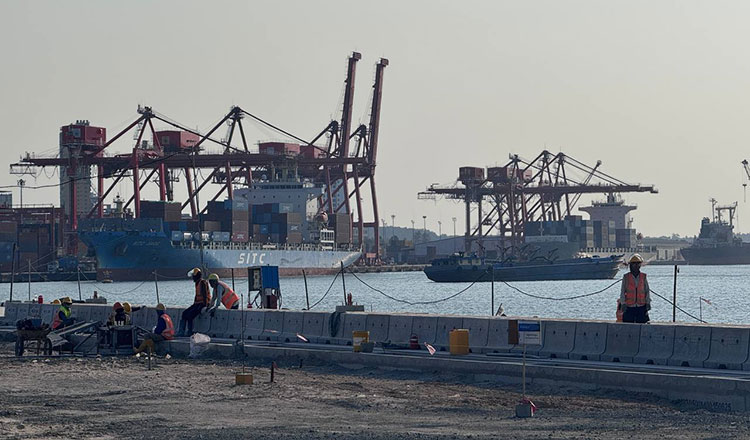
Experts pointed to improved logistics, lower tariffs, and streamlined customs procedures under ASEAN agreements as reasons behind the sharp increase in trade in the region. These mechanisms have facilitated smoother cross-border trade and reduced costs for businesses operating across member states.
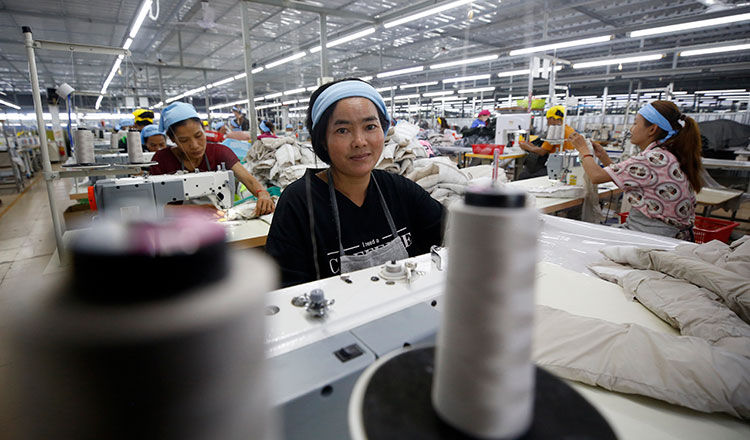
In recent years, Cambodia has also sought to upgrade its domestic production capabilities as part of its long-term economic strategy. Government initiatives aimed at attracting foreign direct investment, particularly in light manufacturing and technology sectors, have increased demand for imports from countries like Malaysia. At the same time, Cambodian exports—primarily garments, footwear, agricultural products, and bicycles—are gradually gaining a foothold in the Malaysian market.
The upward trend also comes amid broader shifts in global supply chains, as companies diversify production bases to mitigate risks associated with geopolitical tensions and disruptions. Cambodia has positioned itself as a competitive destination due to its relatively low labour costs and strategic location within ASEAN.
However, experts caution that the persistent trade deficit with Malaysia could pose challenges if not managed carefully. Strengthening domestic industries and increasing the value-added component of exports will be key to achieving more balanced trade in the long term.
Looking ahead, both countries are expected to deepen economic cooperation through bilateral agreements and regional initiatives. Trade officials have indicated that further collaboration in sectors such as digital economy, halal products, and green technology could unlock additional opportunities.
As Cambodia continues its post-pandemic recovery and economic expansion, the strong growth in trade with Malaysia signals both the opportunities and structural challenges facing the country.
While rising trade volumes are a positive sign, policymakers will need to focus on enhancing export competitiveness to ensure sustainable and inclusive growth.
- 08:16 22/04/2026