Rubber exports reach $649M with sharp 42% rise
Rubber exports reach $649M with sharp 42% rise
Officials welcome the latest figures as a positive sign for economic diversification. The growth in rubber exports reflects Cambodia’s efforts to broaden its economic base beyond traditional sectors.
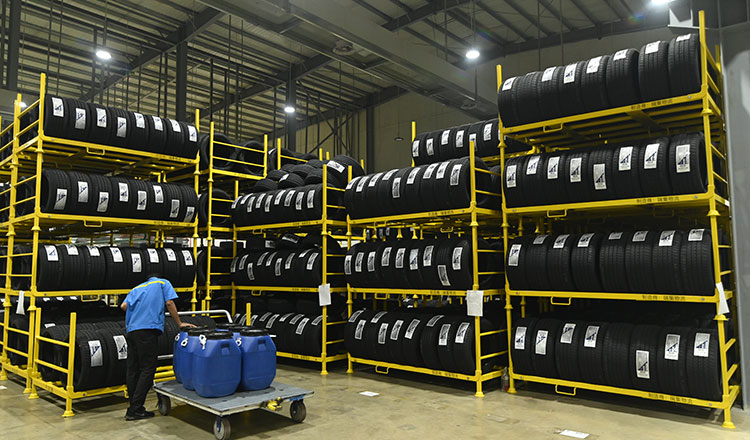
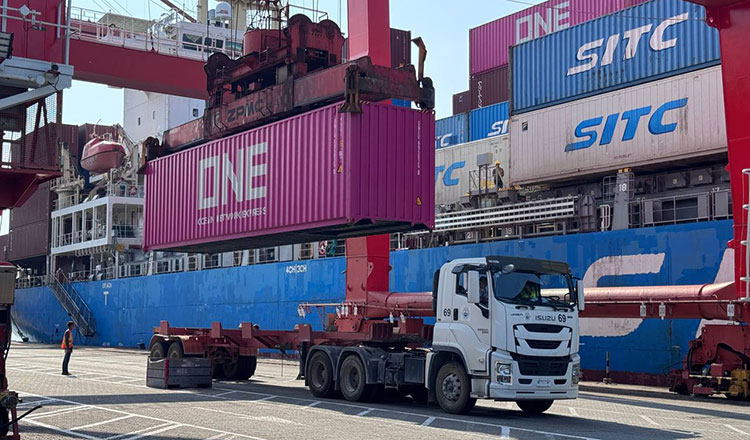
Cambodia’s rubber sector posted a strong surge in the first quarter of 2026, with exports of rubber and rubber-based products reaching $649 million between January and March, according to newly released trade data by the General Department of Customs and Excise (GDCE).
The figure represents a sharp 42.5 percent increase compared to the same period last year, underscoring a resurgence in global demand and the sector’s growing role in the country’s export economy.
The latest numbers show rubber accounting for eight percent of Cambodia’s total exports in Q1, 2026, up from 6.6 percent in the first quarter of 2025. This rise highlights a shift in the country’s export structure, which has traditionally been dominated by garments, footwear, and travel goods.
Industry analysts attribute the surge largely to improving global market conditions.
International rubber prices have strengthened in recent months, driven by supply disruptions in major producing countries such as Thailand and Indonesia, as well as a rebound in manufacturing activity worldwide.
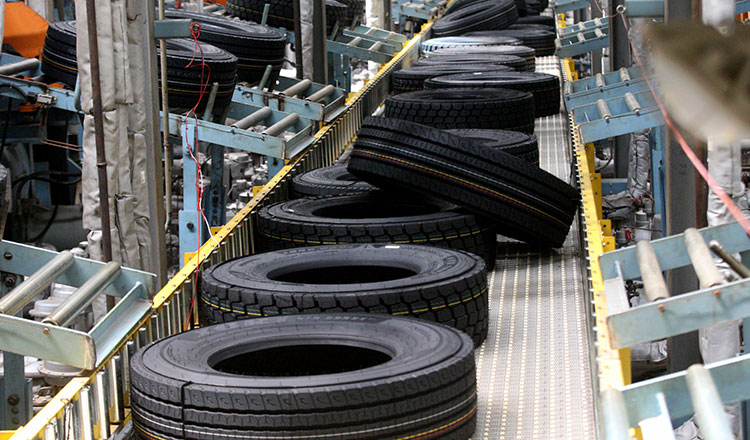
The automotive sector, a key consumer of natural rubber for tyre production, has been a major contributor to renewed demand.
Cambodia, with its expanding plantation base has been well-positioned to capitalise on these favourable conditions.
Over the past decade, the country has steadily increased its rubber cultivation area, supported by both government initiatives and foreign investment. Large-scale plantations, alongside smallholder farms, have boosted output and export capacity.
Officials welcomed the latest figures as a positive sign for economic diversification. The growth in exports reflects Cambodia’s efforts to broaden its economic base beyond traditional sectors.
Agricultural commodities are becoming an increasingly important pillar in the country’s trade portfolio.
Smallholder farmers, who account for a large share of production, also continue to grapple with price volatility and limited access to credit and modern farming techniques. Strengthening support systems for these producers will be critical to ensuring the sustainability of the sector’s growth.
According to the latest review by Kuala Lumpur-based Association of Natural Rubber Producing Countries (ANRPC), global natural rubber production is projected to reach 15.324 million tonnes in 2026, reflecting a year-on-year increase of 2.2 percent from 14.996 million tonnes recorded in 2025.
“Nevertheless, production trajectories remain uneven among member countries. Thailand is expected to maintain its position as the world’s leading producer, while Indonesia and Vietnam face near-term output constraints attributable to a range of structural factors. Malaysia continues its efforts to rehabilitate abandoned rubber plantations, with the Rubber Production Incentive (IPG),” ANRPC Secretary-General Suttipong Angthong said in a report.
The anticipated rise in automotive production—particularly new energy vehicles in China, India, and Southeast Asia—is expected to sustain natural rubber demand and support prices.
Conversely, the ongoing tensions between the US and China, geopolitical uncertainties in the Middle East, and unpredictable weather conditions entering the low-yield season represent key risks that could disrupt supply chains and trade flows.
- 07:51 21/04/2026