ADB sets Cambodia’s growth at 4.5% under the Middle East stabilisation
ADB sets Cambodia’s growth at 4.5% under the Middle East stabilisation
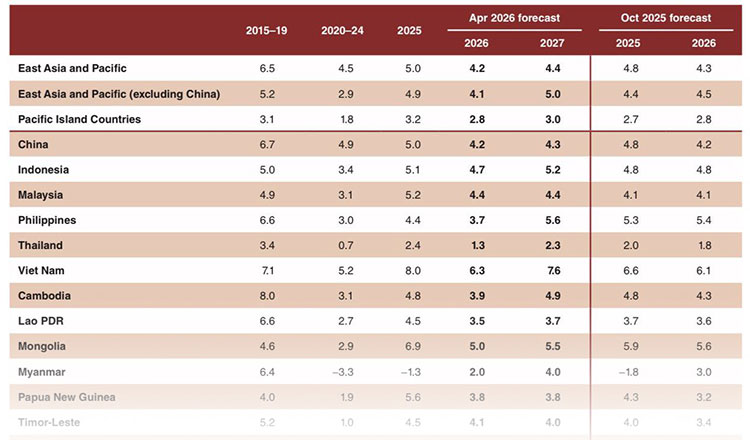
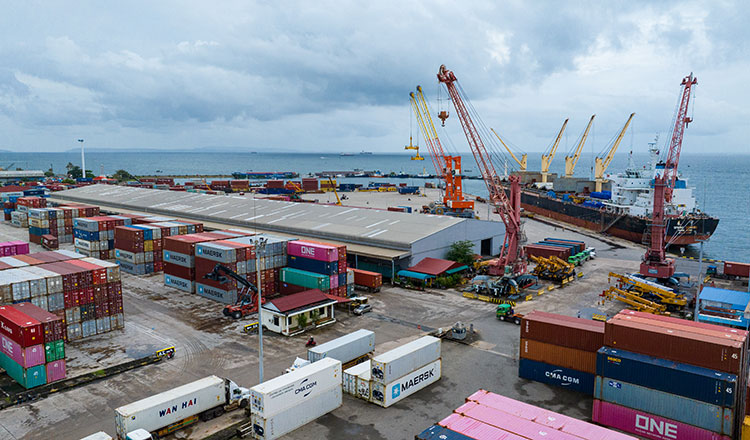
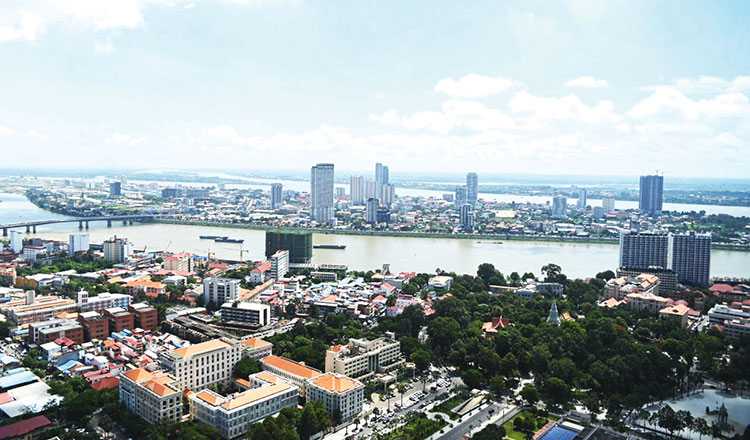
Under an early Middle East stabilisation scenario, the Asian Development Bank (ADB) projected Cambodia’s economy to grow by 4.5 percent in 2026, supported by resilient manufacturing, despite downside risks from global energy volatility, US trade policy, and border disruptions with Thailand.
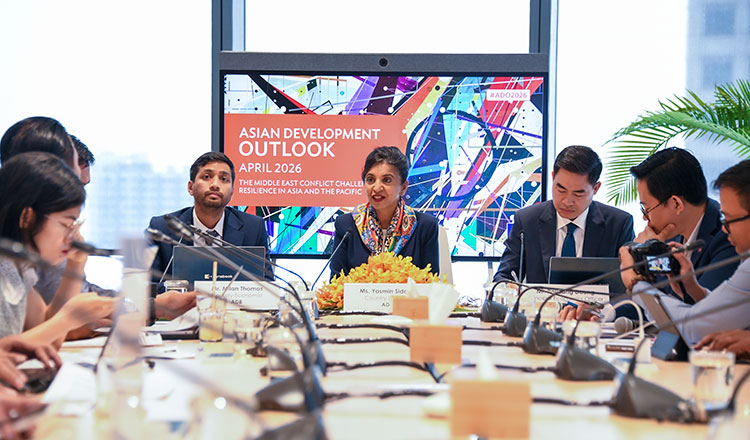
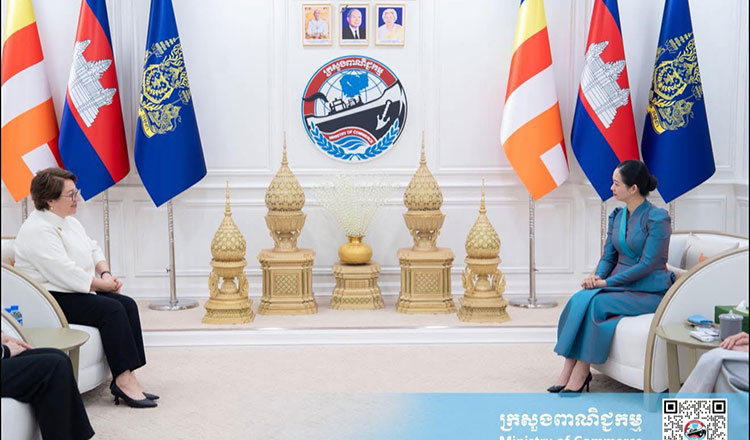
Yasmin Siddiqi, ADB Country Director to Cambodia, chaired a media briefing on the ‘Asian Development Outlook (ADO) April 2026: Middle East Conflict Challenges Resilience in Asia and the Pacific’ in Phnom Penh on April 10.
Addressing the meeting, Siddiqi said this year’s ADO April 2026 comes at a time of global uncertainty, as economies adjust to rapid change and Cambodia remains exposed to disruptions in global energy markets.
However, the ADB Country Director noted that one of the strongest messages of the report is Cambodia’s continued resilience and strong long-term potential.
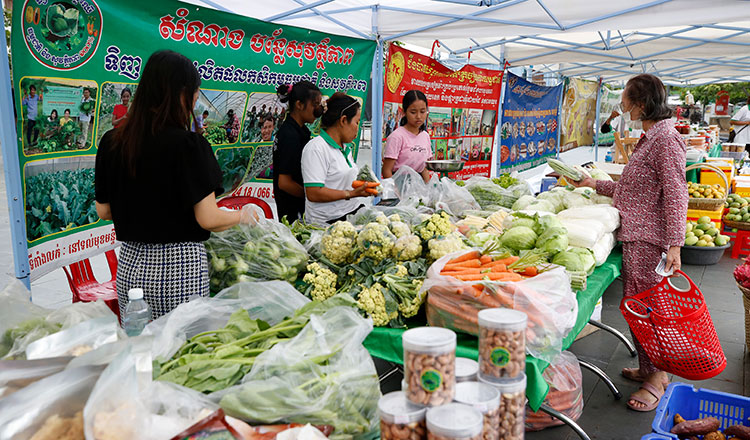
“Despite external pressures, the country’s outlook remains supportive by an expanding manufacturing base, and new opportunities in agriculture, services and the digital economy,” she said.
Siddiqi highlighted the importance of investing in people, particularly in skills development and workforce readiness, noting that Cambodia’s young and dynamic population is its greatest asset.
She added that the Kingdom is well-positioned to enhance productivity and move into higher-value-added sectors, with ADB committed to working closely with the government, development partners, the private sector, and the media.
Presenting the ADO April 2026, Milan Thomas, ADB Country Economist, said that Cambodia could achieve 4.5 percent growth under an early stabilisation scenario in the Middle East, supported by continued external demand for manufactured goods.
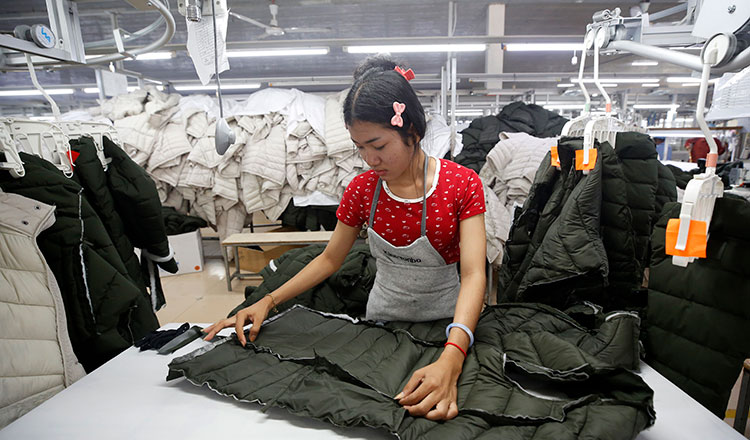
He explained that Cambodia’s economic structure has shifted rapidly towards industry, which now accounts for about half of the economy, meaning sustained growth similar to previous years will depend largely on continued strong expansion in the industrial sector.
Milan noted that the outlook assumes the Middle East conflict stabilises within the next quarter, allowing exports to maintain momentum. However, he highlighted three key challenges that pose significant downside risks, meaning the 4.5 percent projection should be viewed as an optimistic but achievable scenario.
He said that the first risk is the border closure with Thailand, which affects bilateral trade, remittances, and tourist arrivals. Based on historical data on Cambodia’s production structure, this could reduce GDP growth by 1.4 percentage points.
The second risk stemmed from US trade policy, particularly tariffs affecting competitors in the garment, footwear and travel goods sector, given that around 40 percent of Cambodia’s exports are destined for the US market.
The third risk related to the Middle East conflict, which could raise energy and fertiliser prices. Cambodia is particularly vulnerable due to its reliance on imports and exports, with a sustained 10 percent increase in oil prices potentially reducing growth by 0.4 percentage points, he added.
Taken together, he emphasised that ADB’s 4.5 percent growth projection assumes only light disruptions, warning that severe shocks across all three areas could result in a significantly larger economic impact.
During the presentation, Poullang Doung, ADB Principal Economics Officer, also outlined the regional outlook, noting that growth across Asia and the Pacific is projected to moderate to 5.1 percent in both 2026 and 2027 under the stabilisation scenario.
Growth is expected to slow across all subregions, with Thailand’s GDP forecast to expand by 1.8 percent this year, Vietnam by 7.2 percent, the Philippines by 4.4 percent, Malaysia by 4.6 percent, and Indonesia by 5.2 percent, the report showed.
- 09:28 11/04/2026