Fuel price hike hits households and businesses, what should the govt do?
Fuel price hike hits households and businesses, what should the govt do?
The war on Iran led to an immediate surge in oil and gas prices, impacting the common man in the street. For Cambodia, which relies entirely on imported fuel, high oil prices have a direct consequence on economic stability and the cost of living; in particular, these changes brought about a profound impact on daily lives. Given the fact that families with limited incomes often spend a substantial share of their earnings on basic needs such as food, transportation, and daily expenses, it has now reached a tipping point where the government’s interference becomes inevitable. So far, the ministries concerned have been exploring all options to keep the oil prices under control. But also the fact that oil prices are determined by international market prices, not by the government. Khmer Times sought experts’ opinions to find a way out. While some suggest measures such as easing of fuel taxes to help stabilise prices, greater use of public transportation, reducing private car usage, or even promoting work-from-home arrangements, others warn that if oil prices remain unstable and continue rising, the impact could be far more grave, particularly for small and medium-sized enterprises as well as the general public
Fuel is a vital component of economic activity, supporting transport, manufacturing, agriculture, tourism, and other key sectors. When global oil prices rise, the effects often impact the economy, driving up transportation costs, increasing the prices of goods and services, and placing additional pressure on households and businesses.
Rising global oil prices are drawing significant attention from governments, businesses, and consumers worldwide. Due to geopolitical tensions, supply uncertainties, and growing energy demand, fluctuations in the oil market can quickly influence national economies.
For countries like Cambodia, which rely entirely on imported fuel, high oil prices can have a substantial impact on economic stability and the cost of living.
While rising fuel prices affect many sectors of the economy, the impact is often strongly felt by low-income households and industries that rely heavily on transportation.
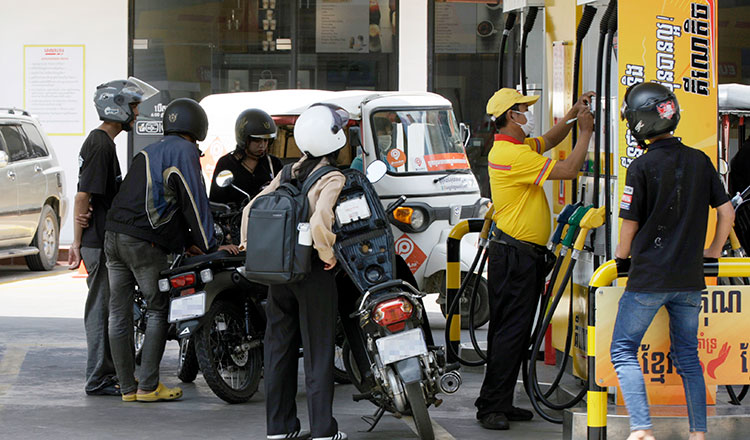
For low-income households, these changes can have a profound impact on daily life. Families with limited incomes often spend a large share of their earnings on basic needs such as food, transportation, and daily expenses. When fuel prices increase, transportation costs for commuting to work, travelling to markets, or accessing public services are bound to rise.
With the global oil prices on a constant rise, there are legitimate concerns for economies that rely heavily on imported energy. For Cambodia, fluctuations in the international oil market can quickly translate into higher domestic fuel prices, affecting transportation costs, business operations, and household spending.
While the broader economic impact may vary across sectors, the burden is often felt most strongly by low-income households and industries that depend heavily on fuel. Among them, Cambodia’s tourism sector—which relies on transportation, logistics, and affordable travel—could face new challenges if fuel prices continue to rise.
As global energy markets remain uncertain, economists say rising oil prices could put pressure on both vulnerable households and tourism businesses, potentially affecting consumer spending and the recovery of Cambodia’s tourism industry.
Government’s response
Responding to the growing public concern about rising fuel prices, including some gas stations temporarily halting sales, Keo Rottanak, Minister of Mines and Energy (MME), recently said that Cambodia is not currently facing any fuel supply shortage. The country’s strategic fuel reserves can last for about 21 days, meaning that even if Cambodia were unable to import fuel at all, it would still have enough supply for three weeks.
“Our country continues to import fuel every day. There has been no disruption to any supply source, and imports are continuing as usual,” he said, adding, “We still maintain reserves that could last for 21 days even if no fuel were imported.”
Regarding prices, Rottanak acknowledged that fuel prices are indeed increasing, explaining that newly imported fuel is more expensive than before as global prices rise.
Assuring the public, the minister said, “I would like to clarify that fuel supply remains available, so the public should not panic.”
“The Royal Government, through the Ministry of Mines and Energy, together with the Ministry of Commerce and the Ministry of Economy and Finance of Cambodia, is closely monitoring the situation. Fuel imports are continuing, but prices have increased.”
Cambodia has not declared an emergency like some other countries, although relevant ministries are continuing to closely monitor developments. Nevertheless, Rottanak called on citizens to conserve fuel and electricity.
Meanwhile, Penn Sovicheat, Secretary of State and spokesperson for the Ministry of Commerce (MoC), said that the increase in oil prices is a global phenomenon. He noted that the issue has affected retail fuel sales at stations across Cambodia, where retail prices are determined by the Ministry of Commerce based on regional and international market prices.
He explained that when international prices increase, retail fuel prices in Cambodia also rise, with fluctuations reflecting movements in global markets.
Impact on households
Lim Heng, Vice-President of the Cambodia Chamber of Commerce (CCC), told Khmer Times that when fuel prices rise, the first impact is felt across nearly all sectors of the economy. However, the transportation sector tends to be affected the most initially.
He explained that if fuel prices continue to increase and remain high, businesses will gradually add the higher costs to their overall expenses. While this may not significantly affect business owners, it will have a greater impact on ordinary citizens with fixed or low incomes, such as factory workers, private employees, and civil servants.
“This is because their salaries do not increase as quickly as the prices of goods, which rise when fuel costs are added,” he said.
Heng added that sectors such as tourism and services may feel the impact at first, but businesses may later adjust by increasing their service prices. As a result, tourism activities could still continue normally.
“Global economic activity does not stop simply because oil prices increase. Even during the COVID-19 pandemic, despite the sharp rise in transportation costs, economic activities around the world continued,” he said.
Regarding government measures, Heng believed that the government has been paying close attention to the situation by reducing taxes on imported fuel and ensuring a stable fuel supply to prevent disruptions to business operations and services.
He added that the government has pledged to maintain a sufficient fuel supply, while prices will still follow global market trends. However, one of the key ways the government can provide support is through tax reductions, since Cambodia is not an oil-producing country but relies on imported fuel.
Meanwhile, Chea Chandara, President of the Logistics and Supply Chain Business Association of Cambodia (LOSCBA), told Khmer Times that rising fuel prices have already created strong challenges for the transportation sector.
He said transportation costs have increased by around 15 to 20 percent, and if fuel prices continue to rise, transportation expenses will likely increase further.
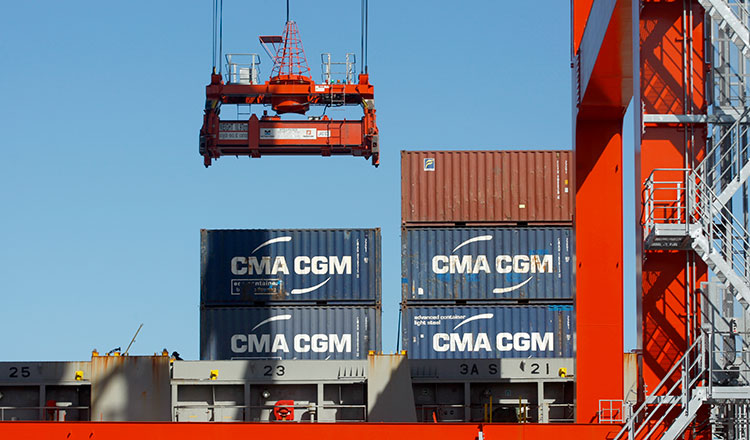
“It is natural that when transportation costs rise, the prices of goods will also increase in the market,” he said, noting that both domestic and international transport costs are affected.
Chandara explained that business owners usually add operational costs to maintain profits. Therefore, if transportation costs rise, they will inevitably increase the prices of their goods.
He warned that if oil prices remain unstable and continue rising, the impact could be significant, particularly for small and medium-sized enterprises as well as the general public. As a result, market prices for goods could gradually increase.
Chandara also noted that if geopolitical tensions involving the United States, Israel, and Iran continue for a long period, it could create further economic challenges.
“If fuel prices continue to rise, the government may need to introduce additional measures,” he added. “For example, encouraging greater use of public transportation, reducing private car usage, or even promoting work-from-home arrangements.”
Another important measure, he suggested, would be easing fuel taxes to help stabilise prices. Once global oil prices return to normal levels, tax revenues could then be discussed again.
Agriculture, tourism sectors
At the same time, high fuel prices can contribute to rising food costs. Agricultural products and other goods must be transported from farms and production areas to markets and cities, and higher transportation costs can lead to increased prices for basic items such as rice, vegetables, and other essential foods. Even small price increases can reduce the purchasing power of low-income households that are already operating under tight budgets.
Sin Chansereyvutha, Secretary of State and spokesperson for the State Secretariat of Civil Aviation of Cambodia, said that in reality, when any crisis occurs—especially one related to oil—it not only affects air transportation but also impacts all sectors of the economy.
He explained that major airlines with strong strategies usually stockpile fuel for at least two weeks to one month and calculate airfare prices based on fuel costs. However, if fuel prices continue to rise over a prolonged period and existing fuel reserves are depleted, airlines will need to purchase new fuel at higher prices. As a result, ticket prices will also have to be recalculated.
Meanwhile, Ho Vandy, adviser to the Cambodia Association of Travel Agents (CATA), told Khmer Times that tourism stakeholders have held several discussions in recent weeks as fuel prices have increased, involving private sector representatives and tourism professionals.
He said all parties are seriously concerned about the situation.
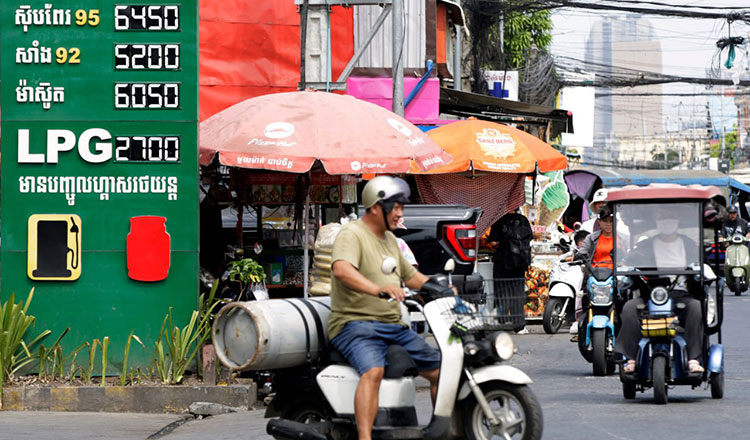
“We have seen fuel prices surge from around 3,000 riel to more than 6,000 riel as of March 12, which is a major concern,” he said.
Vandy added that the issue is not limited to Cambodia but is affecting countries worldwide. In some cases, several airlines have temporarily suspended operations due to conflicts and rising operational costs, which in turn affect small businesses and service providers in the tourism sector.
“This is a situation that needs to be carefully managed,” he said.
He also noted that the private sector is requesting further support from relevant institutions, inter-ministerial bodies, and the Royal Government to help sustain the tourism industry.
So much so, some domestic tourism companies have seen foreign tourists cancel their travel packages due to rising costs and uncertainties.
“If the government continues to provide tax exemptions or incentives for the tourism sector, it would be a great present for supporting tourists and tourism operators,” he said. “Such support would help maintain confidence in the sector and reduce potential risks facing Cambodia’s tourism industry.”
A restaurant owner in Phnom Penh’s Stung Mean Chey district who declined to be named told Khmer Times that he is concerned about the sustainability of his business, as rising fuel prices are significantly affecting his small restaurant.
He said that the price of cooking gas has increased from around $14 previously to about $17 now. Similarly, the cost of various cooking ingredients and supplies has also risen across the board.
“Currently, I have not yet raised prices or reduced the portion sizes of dishes,” he said. “However, if these price increases continue for a long time, I may have to consider either increasing menu prices or reducing portion sizes.”
He added that when the prices of goods increase, it inevitably affects profit margins. To cope with the situation, his strategy is to cut unnecessary expenses and look for suppliers who can provide ingredients at more affordable prices.
Prevention & preparedness
According to Ky Sereyvath, an economic expert at the Royal Academy of Cambodia (RAC), rising oil prices are not the main risk. Instead, the greater concern is the possibility of a global economic crisis and a potential downturn if ongoing conflicts continue for a prolonged period.
If countries face disruptions in fuel supply, economic activities could be interrupted. To keep economic activities functioning under such circumstances, societies may need to shift their approach by expanding online work and online shopping, with E-commerce playing a more important role in replacing traditional daily business activities, he said.
“Another crisis that could emerge from rising oil prices is a credit crisis,” he said. “When incomes or the global economy decline, credit risks may increase. If a credit crisis escalates, it could destabilise the entire banking system. This is a forward-looking assessment, and we must try to prevent such a crisis, as it could become a global wave.”
Socio-economic researcher Chey Tech told Khmer Times that rising fuel prices inevitably affect people’s daily living conditions, including transportation and cooking costs. He explained that higher fuel prices logically lead to increased production costs and transportation expenses, which in turn push up the prices of goods in the market. As a result, inflation may rise and place additional pressure on people’s livelihoods.
However, he noted that the scale of the impact will depend on how much fuel prices increase and how long the crisis lasts.
He went on to add that the Royal Government of Cambodia has gained considerable experience in managing economic shocks through past crises, including the COVID-19 pandemic, food inflation, and the surge in fuel prices during the Russia-Ukraine War in 2022. During those periods, the government prepared various support measures, including fuel subsidies based on global price levels.
“I believe the government could introduce additional measures such as reducing the working days of civil servants and private sector employees to four days a week, rotating work schedules between home and office, or implementing certain levels of work-from-home arrangements similar to what we experienced during the COVID-19 period,” he said.
He also stressed that the government should review policies aimed at easing living-cost pressures, particularly for poor and vulnerable households. This could include cash transfer programmes similar to those implemented during the pandemic and the food price surge in 2022.
Such support could provide direct financial assistance to low-income families holding the ID Poor Program cards and other vulnerable groups to help ease their living expenses.
Tech added that these are among the measures the government should be ready to implement if the situation worsens and significantly affects people’s livelihoods.
At the same time, he emphasised that citizens themselves should also take steps to adapt. Households should practice greater financial discipline by reducing unnecessary spending, conserving fuel use, limiting travel, and shifting toward more affordable transportation options such as public transport.
- 07:55 16/03/2026