ASEAN ministers call for halt to war as it impacts trade, energy
ASEAN ministers call for halt to war as it impacts trade, energy
Beyond security concerns, ASEAN leaders highlight the economic ripple effects of the crisis. Any prolonged conflict could significantly disrupt oil and gas shipments, trigger price volatility, and drive up transportation costs across Asia.
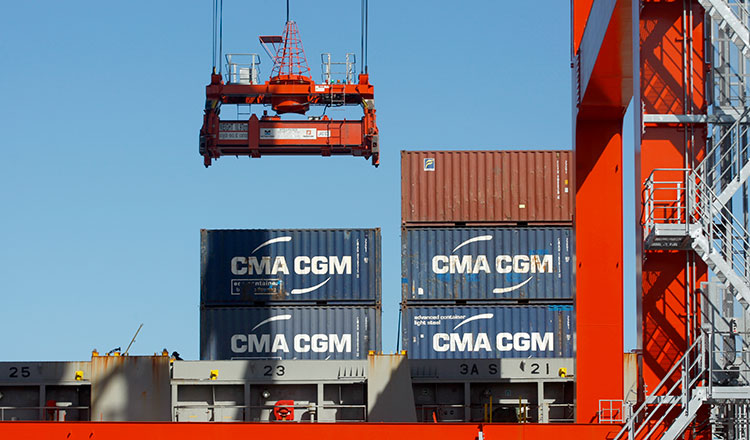
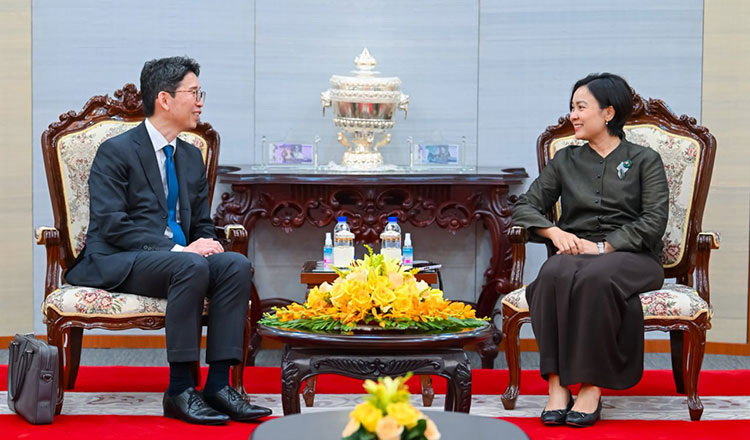
ASEAN Foreign Ministers who held a special emergency meeting on March 13 via videoconference warned that continued escalation of the conflict in the Middle East will have severe consequences for international trade, global energy markets, and economic stability in Southeast Asia.
The meeting came amid widening regional tensions following attacks launched by Israel and the United States against Iran on February 28 and retaliatory strikes by Iran across several Middle Eastern states.
According to a statement issued after the meeting, the ministers took stock of the rapidly deteriorating situation in the Middle East and its growing economic implications for Southeast Asia. “The ministers expressed deep concern over the widening conflict and its potential to destabilise not only the Middle East but also global economic systems,” the statement said.
The crisis began after military strikes targeted sites in Iran, prompting retaliatory operations by Tehran against several countries in the region, including Bahrain, Jordan, Iraq, Kuwait, Oman, Qatar, Saudi Arabia, Syria, and the United Arab Emirates. ASEAN ministers cautioned that the expanding conflict threatens civilian lives and risks disrupting key global supply routes.
Beyond security concerns, ASEAN leaders highlighted the economic ripple effects of the crisis. Southeast Asian economies are heavily dependent on global energy markets and maritime trade flows, many of which pass through strategic chokepoints linked to the Middle East. Any prolonged conflict could significantly disrupt oil and gas shipments, trigger price volatility, and drive up transportation costs across Asia.
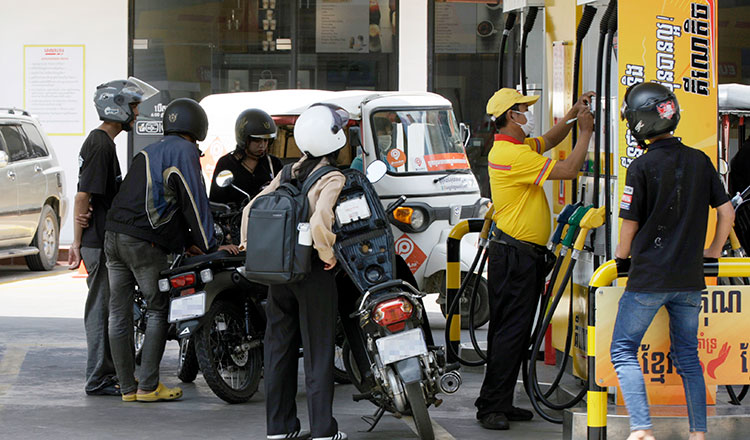
The ministers emphasised the importance of maintaining stable and reliable global energy supply chains, warning that disruptions could worsen inflationary pressures and increase the cost of living across the region. Many ASEAN countries rely on imported energy resources, and spikes in global oil prices could strain government budgets and weaken economic recovery in the post-pandemic period.
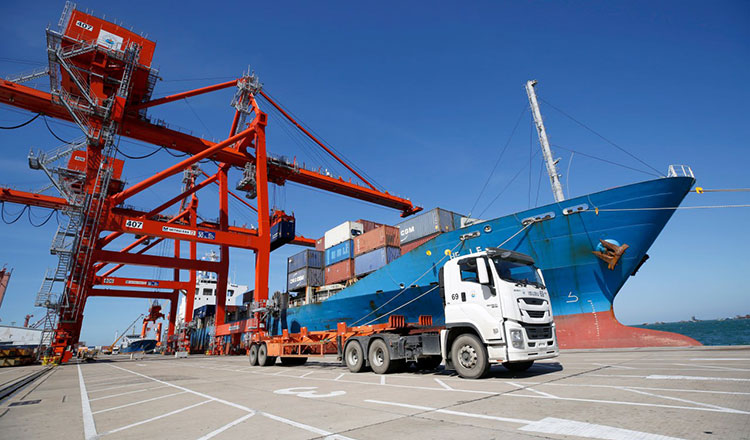
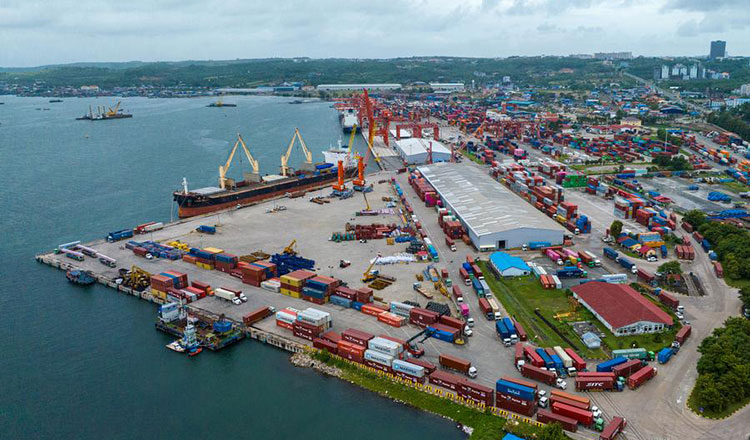
Trade routes were another major concern discussed during the meeting. The Middle East remains a vital link in international shipping lanes that connect Europe, Asia, and Africa. Rising tensions could disrupt maritime transport and aviation routes, causing delays and raising insurance and freight costs. For ASEAN’s export-driven economies—particularly those reliant on manufacturing and global supply chains—any slowdown in logistics could undermine industrial output and regional trade growth.
Ministers warned that prolonged instability could trigger broader macroeconomic challenges, including financial market volatility, weakening investor confidence, and disruptions to food supply chains. Higher energy costs could translate into more expensive agricultural production and transportation, further pushing up food prices across Southeast Asia.
To mitigate these risks, ASEAN leaders stressed the need to strengthen regional energy security and economic resilience. They called for greater cooperation in diversifying energy sources, including expanding renewable and alternative energy capacity. The ministers also highlighted the importance of reinforcing supply chain resilience, improving logistics connectivity, and facilitating intra-regional trade to maintain access to essential goods such as food.
Existing regional mechanisms were also highlighted as key tools in managing the crisis. Ministers pointed to the ASEAN Framework Agreement on Petroleum Security, the ASEAN Power Grid initiative, and the Trans-ASEAN Gas Pipeline project as potential platforms for improving energy coordination among Member States. Strengthening these frameworks could help reduce vulnerability to external shocks in global energy markets.
The meeting also addressed the safety of ASEAN nationals living or working in the affected areas of the Middle East. Foreign ministries reaffirmed their commitment to provide emergency assistance and consular support through coordinated ASEAN mechanisms in third countries.
Diplomatically, ASEAN reiterated its long-standing support for the peaceful resolution of conflicts and urged all parties involved to exercise restraint. Ministers called for an immediate cessation of hostilities and emphasised the importance of dialogue and diplomacy in accordance with international law and the United Nations Charter.
- 07:51 16/03/2026