

Cambodia ranks 138th globally in illicit trade vulnerability index
Cambodia ranks 138th globally in illicit trade vulnerability index
The report notes that ASEAN’s emergence as a major manufacturing and trading hub lacks adequate regulatory safeguards, leaving gaps that criminal networks exploit to move illicit goods across borders.
The Transnational Alliance to Combat Illicit Trade (TRACIT) Tuesday released a report placing Cambodia last among ASEAN members and 138th globally out of 158 countries, highlighting the Kingdom’s vulnerability to illicit trade and regulatory weaknesses.
The report, titled ‘Assessing ASEAN’s Performance on the Illicit Trade Index’, found that ASEAN averaged 49.7 out of 100, slightly below the global average of 49.9 and well below the Organisation for Economic Co-operation and Development average of 64.4. No ASEAN member ranked among the world’s top 20.
Singapore led the regional rankings at 29th globally, followed by Indonesia at 39th, Thailand at 56th, Vietnam at 61st, the Philippines at 69th, Malaysia at 72nd, Brunei at 82nd, Laos at 100th, Myanmar at 117th and Cambodia at 138th.
TRACIT classified Cambodia as a high-risk jurisdiction, pointing to significant illicit activity in several consumer and agricultural markets. Estimates indicated that illicit alcohol accounts for approximately 48% of the market, while illicit tobacco represents around 50% and illicit agrochemicals about 20%.
The report noted that ASEAN’s emergence as a major manufacturing and trading hub has not been matched by adequate regulatory safeguards, leaving gaps that criminal networks can exploit to move illicit goods across borders.
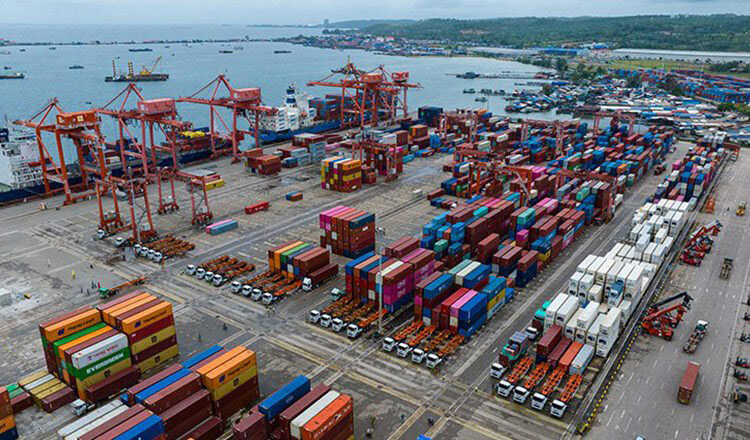
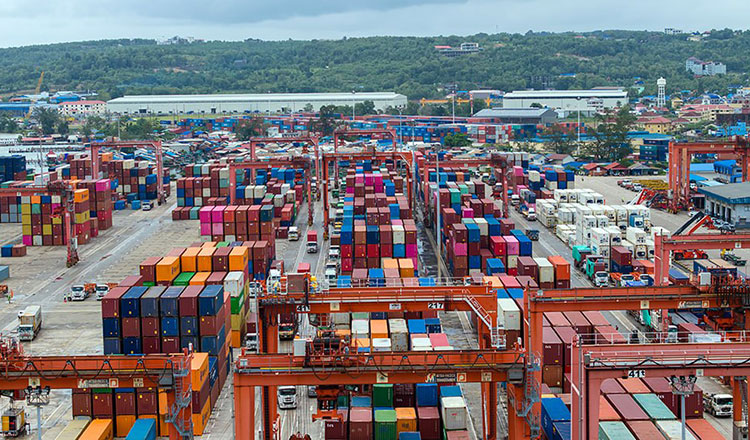
Although the region performs relatively better in customs and border controls, nine of the member states, including Cambodia, score poorly in overseeing supply-chain intermediaries, such as online marketplaces, free trade zones, postal and express networks and logistics operators.
“Illicit trade undermines the economic and social benefits that ASEAN integration is intended to deliver,” said TRACIT Director-General Jeffrey Hardy, calling for stronger trade-integrity safeguards as ASEAN works towards its vision in 2045.
TRACIT Director of Programs Suriya Padmanaabhan said the region’s overall resilience remained average, suggesting that its growing role in global manufacturing and trade had not been matched by sufficient regulatory measures to tackle illicit trade.
Executive Director of the EU-ASEAN Business Council Chris Humphrey highlighted the cross-border nature of the challenge, noting that fragmented enforcement allows criminal networks to move illicit goods across the region.
The report recommended stronger regional coordination, including tighter controls on goods in transit and transhipment, shared customs risk profiles, interoperable intellectual property recordation systems, enforceable rules for online platforms, greater accountability in free trade zones and stronger anti-corruption measures.
For Cambodia, the findings highlighted the importance of strengthening regulatory accountability, improving supply-chain monitoring and enforcement capacity and deepening regional cooperation to curb illicit trade and protect legitimate businesses and economic development.
- 10:49 12/11/2026