PM launches five-year strategy to boost Cambodia’s MSMEs
PM launches five-year strategy to boost Cambodia’s MSMEs
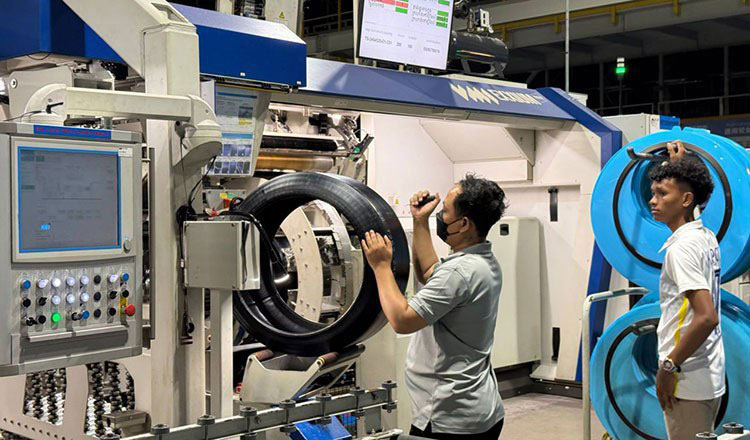
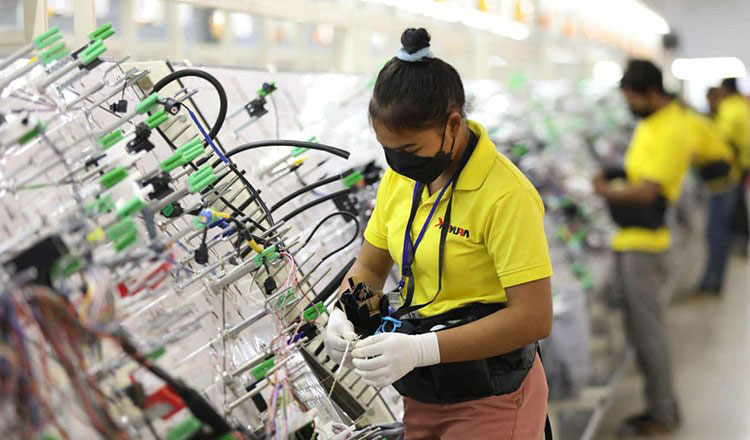
The National Strategy for the Development of MSMEs (2026-2030) highlights government initiatives to build a resilient, diversified economy. The plan empowers domestic enterprises to spearhead industrial development, create jobs and ensure inclusive economic growth.
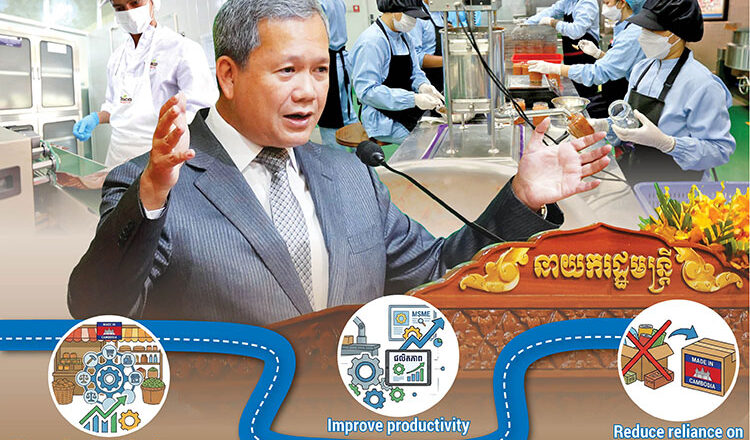
Prime Minister Hun Manet yesterday launched the National Strategy for the Development of Micro, Small and Medium Enterprises (MSMEs) 2026-2030, setting out a five-year roadmap to strengthen local businesses, improve productivity and reduce reliance on imported products.
The strategy aims to improve the business environment, expand access to finance and technology, simplify business registration and enhance the competitiveness of Cambodian enterprises as the country seeks to strengthen its domestic production base and prepare for graduation from Least Developed Country status in 2029.
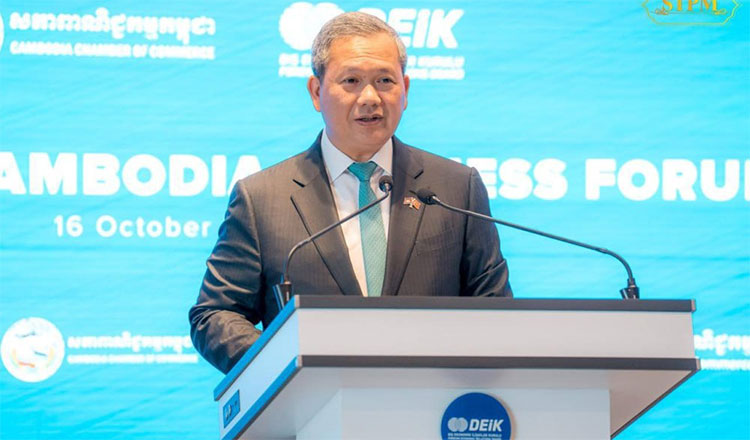
Speaking at the launch ceremony in Phnom Penh, Mr Hun Manet called for stronger coordination among government institutions and a clearer division of responsibilities to support business development.
“The experience in overcoming regional and global challenges, as well as with neighbouring countries in recent years, clearly demonstrates the need to promote the development of MSMEs, which are key drivers for building a strong foundation, reducing reliance on external factors, and promoting sustainable, inclusive, and resilient socio-economic development,” he said.
The premier encouraged MSMEs to adopt modern technologies, improve product quality and strengthen their competitiveness to meet domestic demand and access wider markets.
He urged the financial institutions to improve access to credit and provide favourable lending conditions to help local businesses grow.
Minister of Industry, Science, Technology and Innovation Hem Vanndy said the strategy was designed to address practical challenges facing businesses and help enterprises move beyond basic survival towards higher productivity, stronger competitiveness and improved quality standards.
“Our challenge is not simply increasing the number of enterprises, but making them more productive, competitive and better connected to modern supply chains,” Vanndy said.
He added that stronger domestic production capacity would help Cambodia navigate global economic uncertainty, supply chain disruptions and changing environmental standards.
The strategy’s priorities include improving the business environment and regulatory framework, strengthening production through technology and innovation, increasing competitiveness in domestic and international markets, and developing supporting infrastructure.
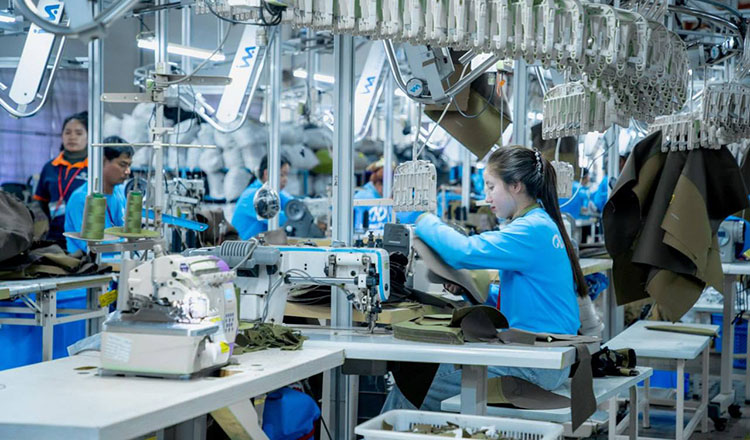
The strategy comes as MSMEs remain a key pillar of Cambodia’s economy. MSMEs are estimated to contribute approximately 63 percent of the gross domestic product (GDP) and provide employment exceeding 70 percent.
The ministry stated that Cambodia had more than 44,000 registered enterprises and handicraft businesses operating nationwide as of September 2026, providing nearly 500,000 jobs.
According to the Economic Census 2022, the country recorded 753,670 economic units nationwide, employing around three million people, including workers in the informal economy.
The government is also promoting digitalisation to reduce administrative burdens.
Mr Hun Manet noted that 18 government institutions had been integrated into the CamDX digital registration platform, helping streamline business registration and related procedures.
The premier also raised issues that hinder the registration of micro, small, and medium enterprises and the implementation of measures to expedite services, and instructed each ministry to avoid being a workaholic and taking on every task.
It was mentioned that small problems can lead to a big job, and a single leaf can cause the entire work to be obstructed. At this point, Samdech would like to emphasise that all work must be considered from a small scale upwards to ensure the work proceeds smoothly and better.
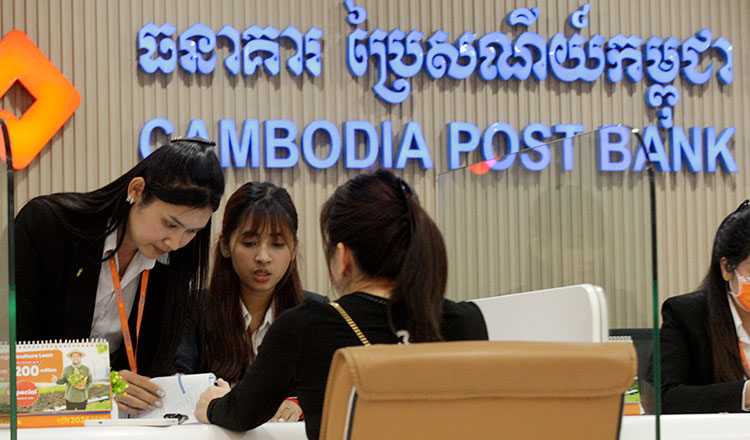
The state-run SME Bank of Cambodia disbursed loans directly and through Co-Financing projects to 4,014 SMEs, totalling $662 million as of September 15, 2026.
Meanwhile, Cambodia continues to implement its National Strategy on Informal Economy Development 2023-2028 to encourage informal businesses to enter the formal sector.
More than 537,000 informal economy workers had registered on the government’s digital platform as of October 1, according to official figures.
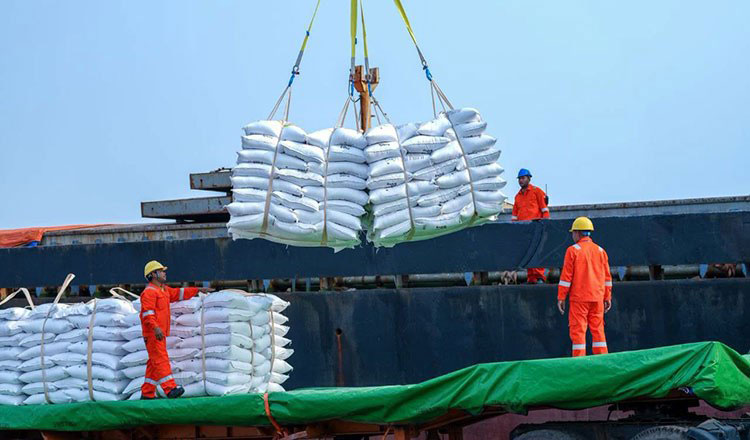
The MSME strategy is expected to support the development of Cambodian-made products by helping local enterprises improve production capacity, meet quality standards and compete more effectively with imported goods.
“The Cambodian governments has built a foundation of peace, stability, infrastructure, legal framework, and business environment that has paved the way for the private sector and local enterprises to grow and connect more closely to the regional and global economy,” Mr Hun Manet said.
Strengthening local production will be particularly important as Cambodia prepares for changes in trade preferences following its anticipated graduation from Least Developed Country status.
The strategy underscores the government’s efforts to build a more resilient and diversified economy in which domestic enterprises play a greater role in job creation, industrial development and inclusive economic growth.
- 07:59 23/10/2026