

Cambodia draws $5.92B in projects despite global risks
Cambodia draws $5.92B in projects despite global risks
Sun Chanthol underlines the government’s focus on regulatory reforms, streamlined administration and reduced operating costs to attract more foreign capital.
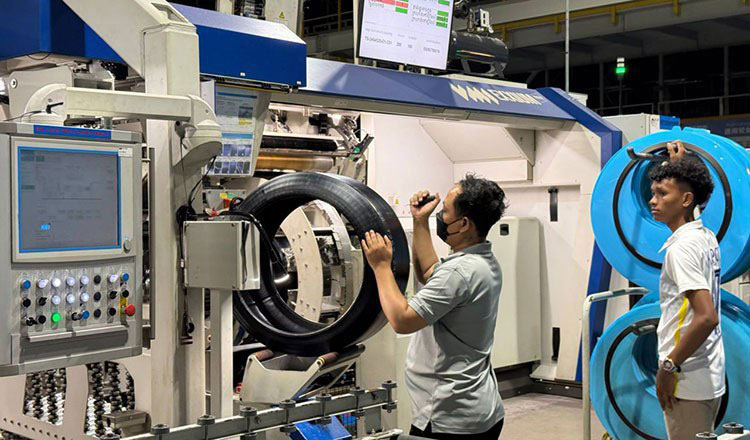
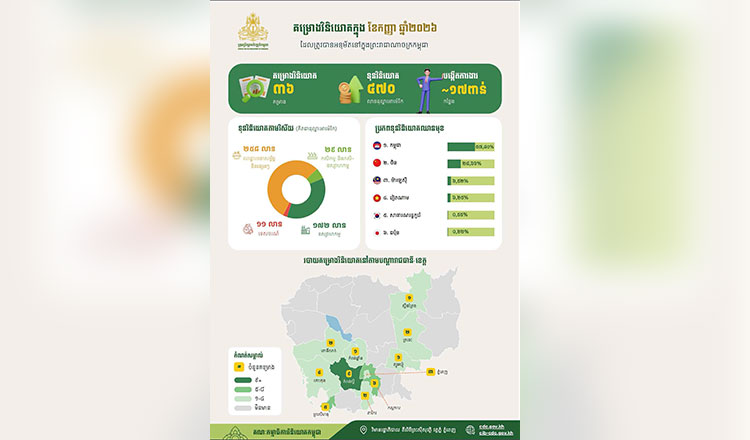
Cambodia attracted $5.92 billion in registered investment capital during the first nine months of 2026, despite a decline in the number of approved projects and total investment value, as the country intensifies efforts to strengthen its investment climate amid global economic uncertainty.
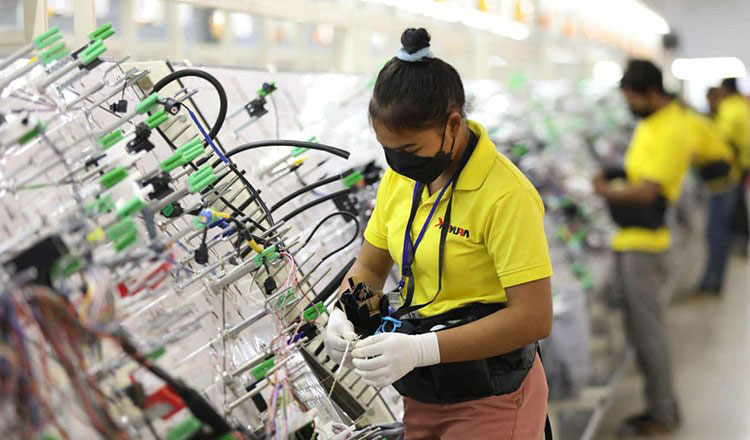
The Council for the Development of Cambodia (CDC) approved 382 investment projects from January to September, which are expected to generate approximately 217,000 jobs nationwide, according to a report released last Friday.
The registered investment capital includes newly approved projects and additional capital injected into existing investments.
However, the number of approved investment and expansion projects fell from 546 in the same period last year, while registered investment capital declined from $7.8 billion.
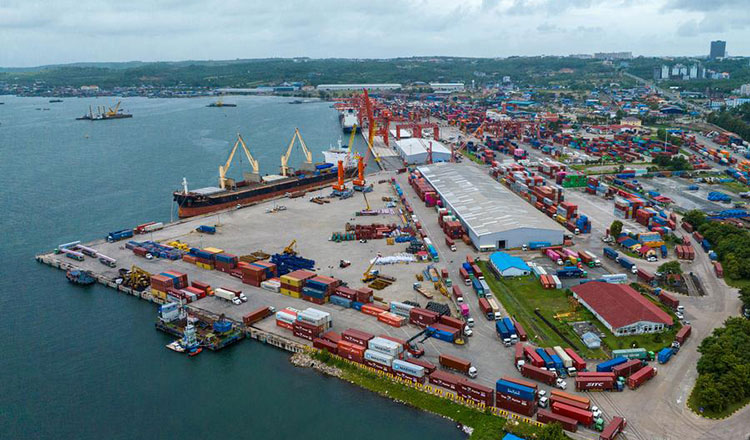
The industrial sector remained the main driver of investment during the nine-month period, while agriculture and agro-industry, tourism and infrastructure also showed an upward trend, according to the CDC.
“This indicates continued diversification of investment activities in Cambodia and reflects investors’ confidence in the country’s investment climate,” CDC said in the report.
China remained Cambodia’s largest source of foreign direct investment (FDI), accounting for more than 50% of total investment capital, followed by domestic investors. Other major sources included Singapore, Vietnam, South Korea, the United States and Malaysia.
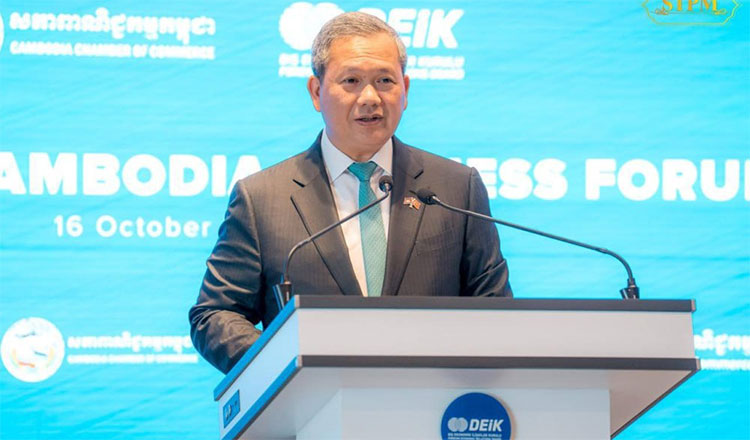
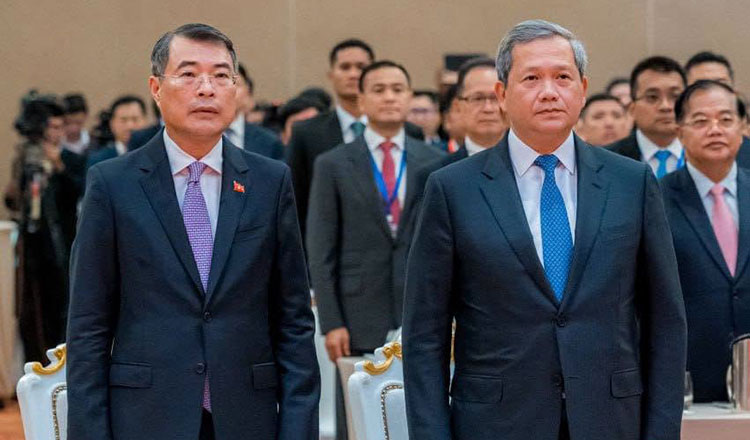
Deputy Prime Minister and First Vice-Chairman of the CDC Sun Chanthol, said increased FDI brings significant benefits to Cambodia’s socio-economic development, particularly through higher household incomes and job creation.
“Cambodia was preparing to attract investment into upstream industries and higher-value-added activities within global supply chains,” he said at a forum on October 8.
He reaffirmed the government’s commitment, particularly through the CDC, to accelerating domestic reforms, streamlining administrative procedures and reducing unnecessary operating costs to improve the country’s competitiveness and attract more foreign investors.
The measures are intended to strengthen Cambodia’s position as an investment destination and build long-term investor confidence, he said, adding that the CDC remained committed to close, open and constructive cooperation with the international business and investment community.
Vice-President of the Cambodia Chamber of Commerce Lim Heng attributed Cambodia’s investment appeal to government efforts to improve the business environment and the market-access opportunities offered by bilateral and regional trade agreements.
“The combination of updated investment frameworks and extensive trade arrangements, including mega-regional pacts and preferential access, has served as a catalyst for inward investment.
With these trade agreements, Cambodia stands to secure expanded investment opportunities,” Heng told Khmer Times.
The government has introduced a range of reforms to retain existing investors and attract new investment through open trade and international investment policies, Chanthol said.
Workforce development and technological advancement are also priorities under the government’s Pentagonal Strategy, which provides a long-term roadmap towards achieving Cambodia’s Vision 2050 development goals.
Through the Ministry of Labour and Vocational Training, the government is implementing a technical and vocational education and training programme targeting 1.5 million young people to equip them with skills required by modern industries and the Fourth Industrial Revolution.
However, Cambodia faces a more challenging economic outlook. The International Monetary Fund (IMF) forecast in September that the country’s growth would slow to 3% in 2026, down from 5.3% in 2025, before recovering to 4% in 2027.
The IMF attributed the slowdown to higher energy costs, weaker tourism and remittances, slower garment exports, subdued domestic demand and tighter financial conditions.
- 08:06 19/10/2026