Cambodia’s digital economy reaches 1.8% of GDP
Cambodia’s digital economy reaches 1.8% of GDP
Poor internet, weak payment systems, and strict regulations are holding back businesses. These issues raise costs and make it harder for local companies to sell their goods overseas.
Cambodia’s digital economy contributes only 1.8 percent of GDP and scores 19.3 out of 100 on the Asian Development Bank’s Digitalization Index 2024, placing the country among the lower-performing economies in the region, on par with Laos.
The assessment comes from ADB Brief No. 399 on ‘Advancing Digital Trade and Cross-Border E-Commerce in Asia and the Pacific,’ released on Tuesday.
The brief showed clear differences between the Kingdom and its neighbours, with both Cambodia and Laos recording a digital economy contribution of just 1.8 per cent of their current gross domestic product (GDP).
In contrast, Thailand and Vietnam demonstrated stronger momentum: goods-based digital trade remains more established in both countries, and Vietnam stands out for high fintech adoption rates that often exceed those in more mature markets.
Cambodia’s overall digital readiness is reflected in its Digitalization Index score of around 19.3 out of 100. The index combined seven pillars: digital economy, digital government, infrastructure, regulation, household digitalisation, human capital and innovation, and production digitalisation.
The low score placed the Kingdom firmly in the lower tier of emerging or near-limited digital ecosystems across Asia and the Pacific, highlighting significant room for improvement.
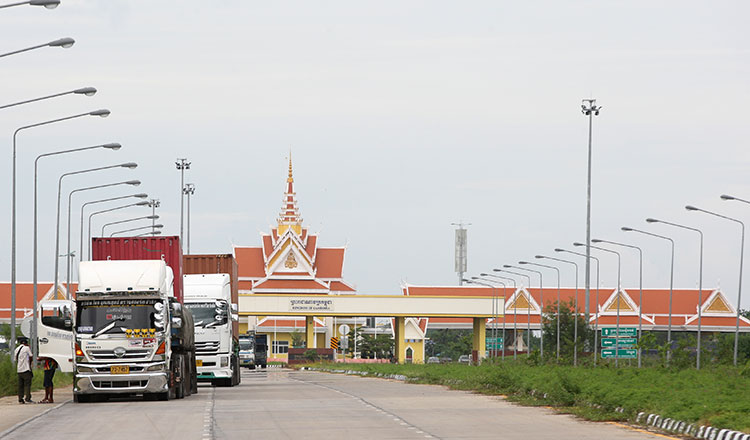
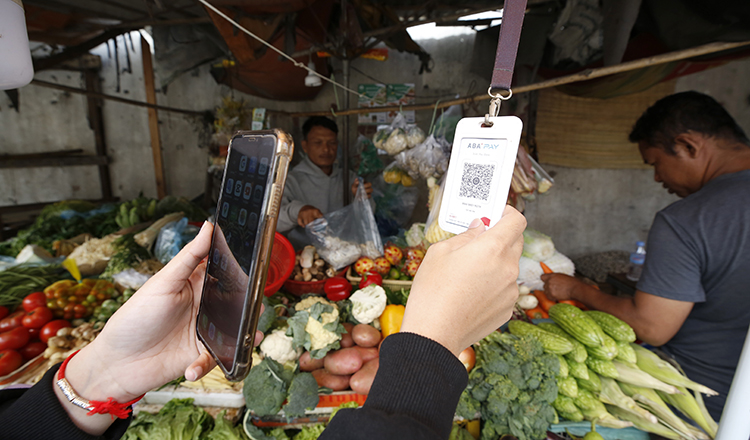
The brief identified several barriers behind these figures. Cambodia faces relatively high infrastructural and regulatory hurdles, including gaps in connectivity, payment systems, electronic transactions and digital public infrastructure. These raise compliance costs and make it harder for firms to sell across borders.
Micro, small, and medium-sized enterprises (MSMEs), which dominate the national economy, are particularly constrained by limited digital skills, financing and technical capacity.
Despite the challenges, the ADB brief found positive evidence in Cambodia. Firms that have adopted digital tools and participated in e-commerce report higher revenues, improved efficiency, and greater formalisation.
These outcomes mirror gains seen in neighbouring and nearby economies, showing that digital adoption can deliver measurable benefits even from a low base. Cambodia is already linked to regional efforts that could help close the gap with its neighbours.
As an ASEAN member, it participates in the ASEAN Agreement on Electronic Commerce and the Digital Economy Framework Agreement (DEFA). DEFA prioritised digital payments and data governance, areas that address Cambodia’s weaknesses.
Closer cooperation with Thailand and Vietnam on payments interoperability and logistics could further accelerate progress. The brief stressed that realising this potential requires deliberate policy action.
The government needs adaptive, interoperable regulatory frameworks that reduce uncertainty for businesses. Stronger digital public infrastructure, expanded digital skills programmes, and targeted support for MSMEs are essential to ensure that smaller firms are not left behind in the digital transition.
Trade-facilitation measures such as interoperable single windows, electronic invoicing and paperless customs procedures can further lower costs and help Cambodian exporters connect more effectively with markets in Thailand, Vietnam, and beyond.
In the regional context, Laos shares Cambodia’s low contribution to the digital economy, while Thailand and Vietnam illustrate what greater engagement in digital trade and fintech can achieve.
By combining domestic reforms with deeper ASEAN cooperation, the Kingdom has a realistic pathway to raise its 1.8 percent GDP contribution.
- 08:07 14/08/2026