US remains Cambodia’s largest export market despite tariff uncertainties
US remains Cambodia’s largest export market despite tariff uncertainties
The Royal Government is maintaining close engagement with US counterparts while continuing to improve the Kingdom’s investment climate, logistics network and trade facilitation to enhance the country’s competitiveness.
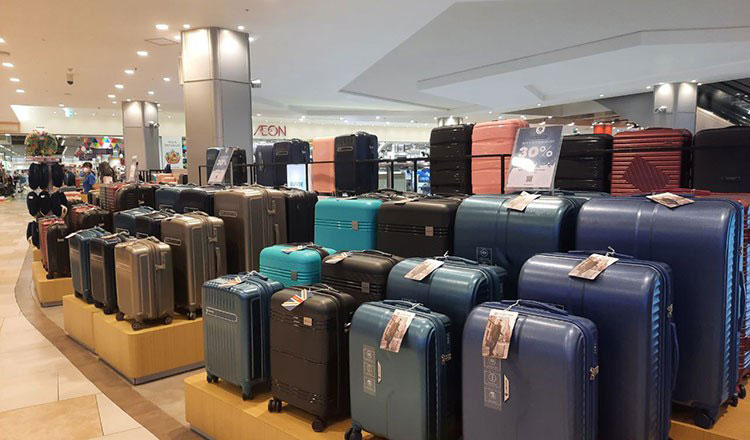
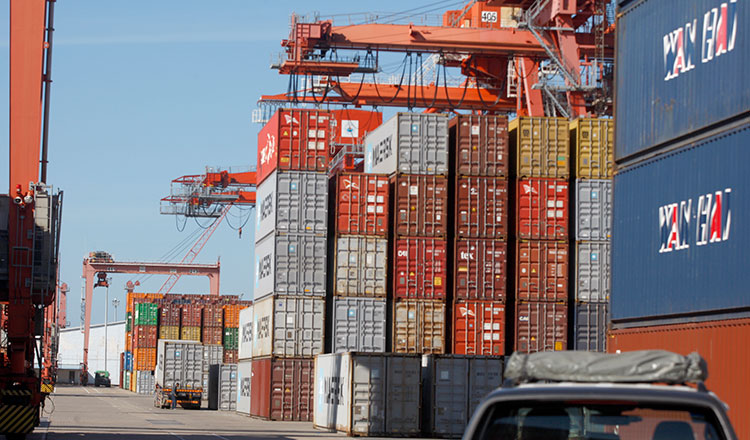
The United States remained Cambodia’s largest export market in the first half of 2026, accounting for 41 percent of the Kingdom’s total exports despite lingering uncertainties over US tariff policies.
According to the General Department of Customs and Excise of Cambodia (GDCE), between January and June, the Kingdom’s total exports reached more than $17 billion during the six-month period, up 19.5 percent from the same period last year, with shipments to the US continuing to drive the country’s export growth.
The figures highlighted the resilience of bilateral trade and the continued strength of demand for Cambodian products.
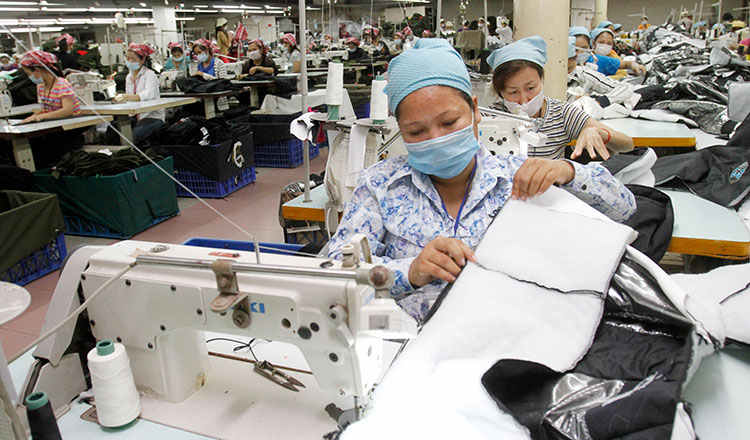
Garments, footwear, travel goods, bicycles, furniture, electrical and electronic components, and agricultural products remained Cambodia’s principal exports to the American market. American exports to Cambodia comprised vehicles, machinery, jewellery, cosmetics, electrical equipment and electronics.
The half-year export performance to the US market comes at a time when global exporters are closely monitoring evolving US tariff policies.
Cambodia’s export sector has continued to demonstrate resilience, supported by competitive manufacturing, strong buyer confidence and ongoing efforts to diversify export products and markets.
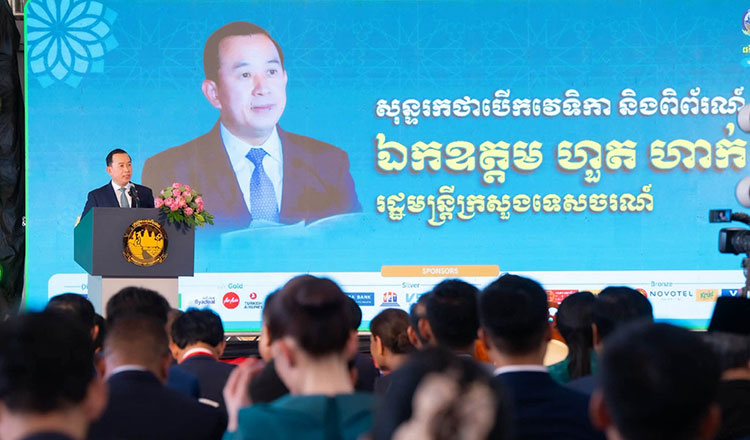
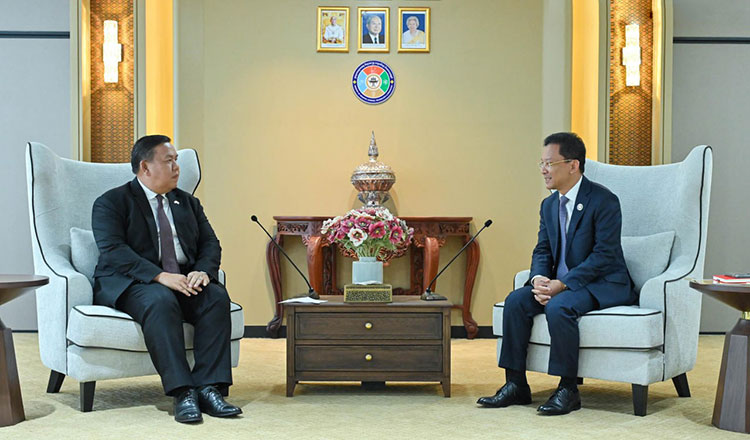
Penn Sovicheat, Secretary of State and Spokesperson for the Ministry of Commerce, said the United States has consistently been Cambodia’s largest trading partner for exports and continues to play a pivotal role in supporting the Kingdom’s economic growth.
“The strong export performance reflects the confidence that international buyers, particularly those in the United States, continue to have in Cambodian products,” Sovicheat said.
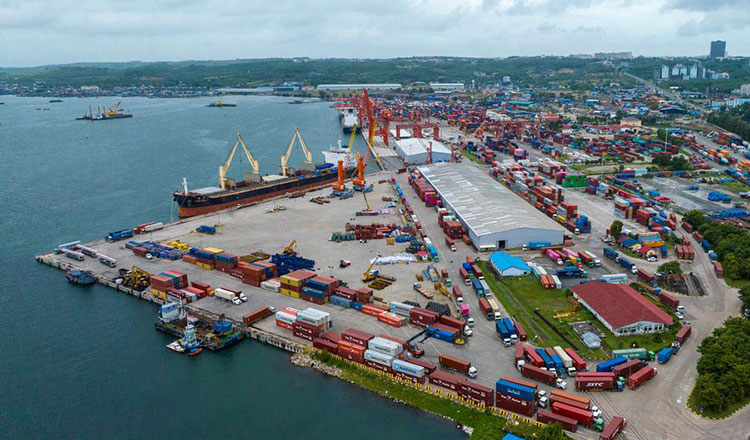
Sovicheat noted that the government is maintaining close engagement with US counterparts while continuing to improve Cambodia’s investment climate, logistics network and trade facilitation to enhance the country’s competitiveness.
The Office of the US Trade Representative in June this year listed Cambodia among 60 economies under Section 301 of the Trade Act for lacking a comprehensive ban on imports of goods made with forced labour.
This rate is more favorable than the 12.5 percent tier applied to 45 other economies, reflecting USTR’s assessment that Cambodia has made progress in addressing forced labor concerns.
Although the measure is not yet final, it highlights the increasing importance of labour governance and supply chain compliance in US trade policy.
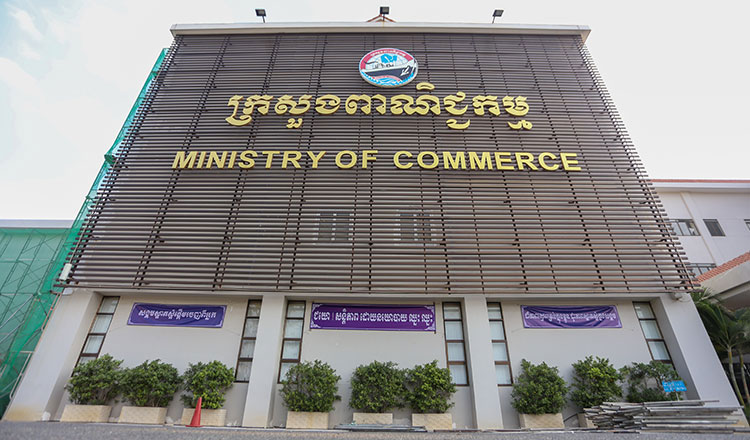
Ministry of Commerce has defended that the country is in compliance with international standards and the resilience of its trade sector.
The ministry highlighted cooperation with the ILO’s Better Factories Cambodia program and inter‑agency efforts to strengthen compliance and supply chain monitoring.
Concerns over tariffs have intensified in recent years as Cambodia seeks to maintain export competitiveness while attracting new foreign investment amid shifting global supply chains.
In addition to the US market, Cambodia has continued to record rising exports to other major destinations, including China, the European Union, ASEAN member states and Regional Comprehensive Economic Partnership (RCEP) partners, supported by the government’s strategy to broaden market access and strengthen the country’s export base.
- 08:05 14/07/2026