Motorcycle sales rise despite electrification push
Motorcycle sales rise despite electrification push
Vietnam's motorcycle market expanded in the second quarter despite accelerating electrification, highlighting resilient domestic demand while manufacturers diversify product portfolios to prepare for a longer-term transition.
|
According to the latest sales data released by the Vietnam Association of Motorcycle Manufacturers (VAMM) on July 10, combined domestic sales of its five members – Honda, Yamaha, Piaggio, SYM, and Suzuki – reached 638,431 units in the second quarter, up 4.4 per cent on-year.
The figures suggest that demand for conventional motorcycles remains resilient even as Vietnam strengthens policies aimed at reducing transport emissions and encouraging cleaner mobility in major cities.
Industry analysts attribute the sales increase partly to seasonal purchasing ahead of the third quarter, improving consumer sentiment, and continued promotional campaigns, including price incentives and low-interest financing programmes offered by manufacturers.
Supply has also remained robust. According to the National Statistics Office under the Ministry of Finance, domestic motorcycle production maintained a strong pace throughout June, lifting total industry output in the first half of 2026 to nearly 2.1 million units, providing manufacturers with sufficient inventories and a broad product offering.
VAMM noted that its reported sales figures cover only domestic deliveries by member companies and exclude production volumes and exports. The data nevertheless indicate that consumer demand remains stronger than previously anticipated despite growing competition from electric motorcycles.
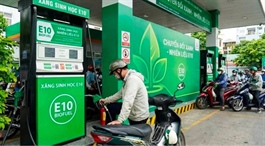
The latest performance highlights the gradual nature of Vietnam's transition towards cleaner mobility. While electric motorcycle brands have continued expanding their market presence through new model launches and investment in charging infrastructure, internal combustion engine motorcycles continue to dominate sales volumes.
Industry observers say purchasing decisions continue to be influenced by affordability, convenience, and the extensive nationwide network of fuel stations, repair shops, and spare parts suppliers. These advantages remain particularly important for consumers in suburban and rural areas, where public charging infrastructure is still developing.
At the same time, established manufacturers are accelerating their electrification strategies rather than relying solely on conventional models.
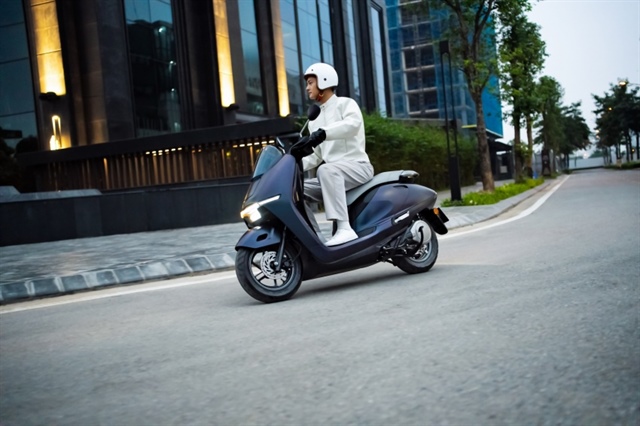
Honda Vietnam has added electric models such as the ICON e:, CUV e:, and UC3 urban scooter to its domestic portfolio alongside its best-selling Vision, Lead, and SH models. Yamaha Motor Vietnam continues to market its NEO'S electric scooter as part of its broader electrification strategy.
The inclusion of electric models in manufacturers' official product portfolios suggests that competition in Vietnam's electric two-wheeler market is entering a new phase, with established manufacturers leveraging their extensive dealer networks, financial resources, and brand recognition to compete alongside dedicated electric vehicle producers.
Manufacturers are also repositioning their conventional motorcycle portfolios towards higher-value segments.
Honda has expanded its range of premium motorcycles with models including the CB1000 Hornet, NX500, and XL750 Transalp, targeting consumers seeking recreational and lifestyle-oriented products. Yamaha has similarly strengthened its premium offering with models such as the YZF-R9, MT-09, PG-1, and LEXi 155.
Piaggio continues to focus on the premium scooter segment through its Vespa range, while SYM has reinforced its presence in the 50cc category, targeting students and first-time buyers with an expanded product line-up.
The broader diversification strategy has enabled manufacturers to encourage replacement demand while maintaining profitability in an increasingly mature market.
Looking ahead, competition in Vietnam's motorcycle market is expected to intensify during the second half of 2026 as manufacturers continue balancing investment in electric mobility with efforts to sustain sales of conventional models.
Although petrol-powered motorcycles continue to dominate the market, tightening emissions regulations and expanding electrification policies are expected to accelerate the industry's transformation over the coming years. For established manufacturers, revenues generated from conventional motorcycles are likely to remain an important source of funding for research, product development, and the gradual expansion of their electric mobility businesses.
- 14:57 13/07/2026