Cambodia to launch 6-day SME registration pilot in Aug
Cambodia to launch 6-day SME registration pilot in Aug
The initiative aims to slash bureaucratic red tape for micro, small and medium enterprises, serving as a crucial test case for a wider government strategy to streamline business compliance and boost domestic production.
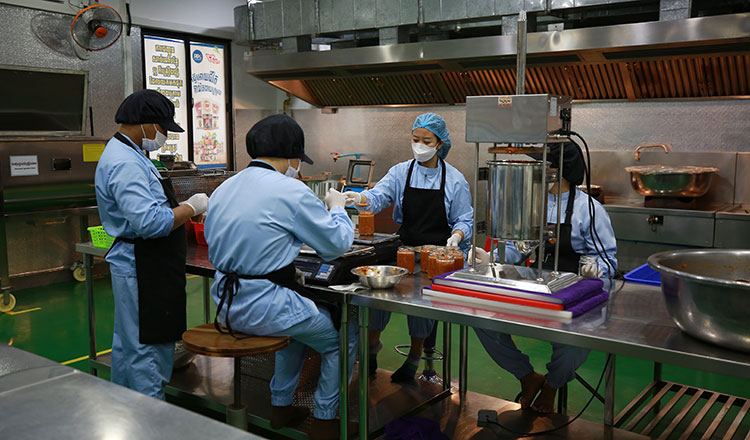
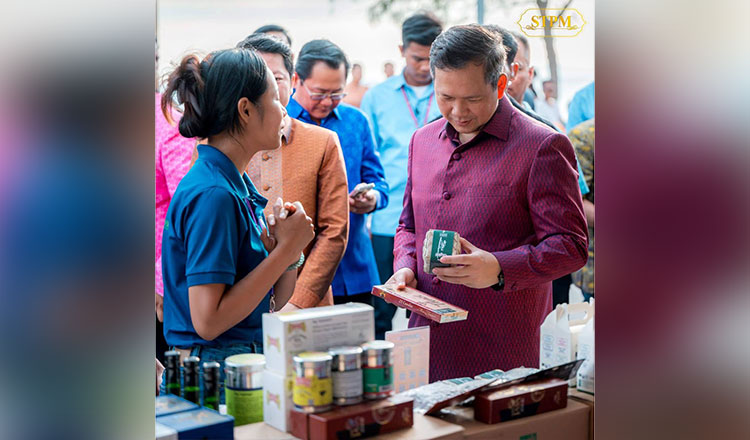
In a major step, Prime Minister Hun Manet will next month launch a fast-track pilot project enabling artisanal soap businesses to complete registration and enter the market in just six days, according to the Ministry of Industry, Science, Technology and Innovation (MISTI).
MISTI Secretary of State Heng Sok Kung on his official Facebook account wrote: “Good News: Prime Minister has streamlined the SME registration procedure, starting with soap handicrafts; within six days the business should be able to enter the market and will implement it from next month.”
The announcement was widely welcomed, as Cambodia’s SME sector has long struggled to compete with imported products. The initiative also comes amid a consumer boycott of Thai-made goods, which has increased demand for locally manufactured alternatives.
Speaking to Khmer Times, Chhin Ken, Vice President of the Board of Directors of the Federation of Associations for Small and Medium Enterprises of Cambodia (FASMEC), described the announcement as a breakthrough for the SME sector.
“This is the real news from MISTI,” he said, noting that SME operators have long complained about the lengthy business registration process, which requires approvals from nine ministries and 14 departments before businesses can obtain the necessary certification to operate.
“The issue has been raised with the Royal Government, and now we are seeing concrete action to simplify the process,” he said. “The six-day registration process will first be tested through a pilot project for handmade soap businesses before being expanded to other industries if it proves successful.”
Ken explained that the current registration system requires approvals from multiple ministries and government institutions, resulting in lengthy procedures and higher compliance costs for SMEs. “The government’s goal is to reduce both processing time and expenses while making it easier for businesses to operate legally,” he said.
“The target is to complete registration within six days, but we still need to see whether that can be achieved in practice. If Cambodia can genuinely reduce business registration to six days, it will be a major achievement that strengthens the business environment and encourages more SMEs to formalise their operations.”
Dr Sam Soknoeun, Chairman of SAM SN Group, welcomed the government’s plan to reduce SME registration to six days, describing it as an important step toward improving Cambodia’s business environment.
“Cambodian entrepreneurs who develop and promote locally made products have always faced countless challenges,” he told Khmer Times. “One of the biggest obstacles has been the lengthy and complicated business registration and licensing process. Therefore, the announcement is very good news for the SME sector.”
While welcoming the reform, Soknoeun said that simplifying registration addresses only one of several barriers preventing SMEs from growing. “Reducing the registration process to six days is a positive start, but many other issues still need to be resolved if Cambodia wants SMEs to become more competitive,” he said.
He identified high start-up and operating costs as another major challenge, noting that the cost of connecting electricity and water services remains expensive for many businesses, increasing the financial burden before operations even begin.
Soknoeun also raised concerns over unfair competition from imported products. He said some imported goods avoid paying the required taxes and duties, enabling them to be sold at lower prices than locally produced products that fully comply with regulations.
“If local manufacturers bear all regulatory and operating costs while some imported products avoid taxes, it creates an uneven playing field. The government should reduce the basic costs of operating SMEs while strengthening enforcement to ensure fair competition,” he noted.
Access to affordable finance is another pressing issue, he said, noting that commercial lending rates of around six to seven percent remain too high for many SMEs, discouraging business owners from borrowing to expand production or invest in new machinery.
“Banks also require collateral that many small entrepreneurs cannot provide, forcing some to seek loans from informal lenders charging even higher interest rates,” he added.
Soknoeun urged the government to work with financial institutions to introduce dedicated SME loans with interest rates of around three percent for a fixed period, suggesting five years as a reasonable timeframe.
He also called for broader tax incentives, including temporary exemptions on business taxes and import duties for machinery, raw materials and other inputs unavailable in Cambodia.
Such support would allow SMEs to establish a stronger foundation before becoming regular taxpayers and contributing more significantly to the country’s economic growth, he added.
- 08:00 24/07/2026