Clean energy push opportunity for Cambodia’s garment industry
Clean energy push opportunity for Cambodia’s garment industry
Swift energy policy reforms will help the Kingdom transform global climate pressure into a powerful economic opportunity, securing the future of its garment industry while strengthening its position in increasingly sustainability-conscious global supply chains, the report says.
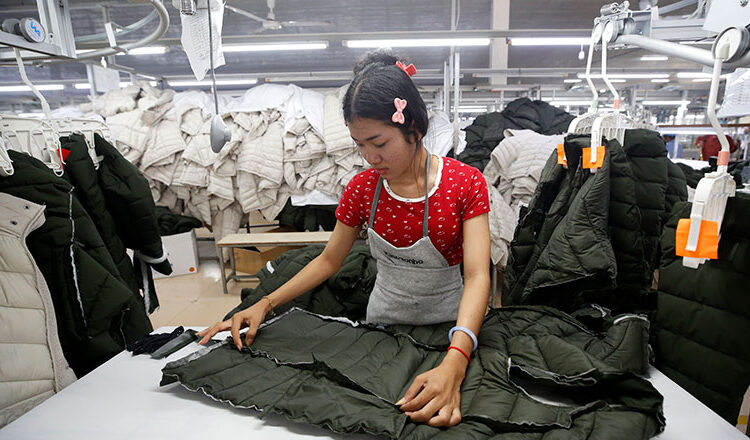
Growing pressure from international fashion brands to decarbonise their supply chains presents a major opportunity for Cambodia’s garment industry to strengthen its competitiveness, attract new investment and support economic growth, according to a report released by EnergyLab Asia yesterday.
The report argues that Cambodia’s relatively clean electricity grid and rapidly expanding renewable energy capacity could become important advantages as global apparel companies increasingly seek low-carbon manufacturing destinations to meet their climate commitments.
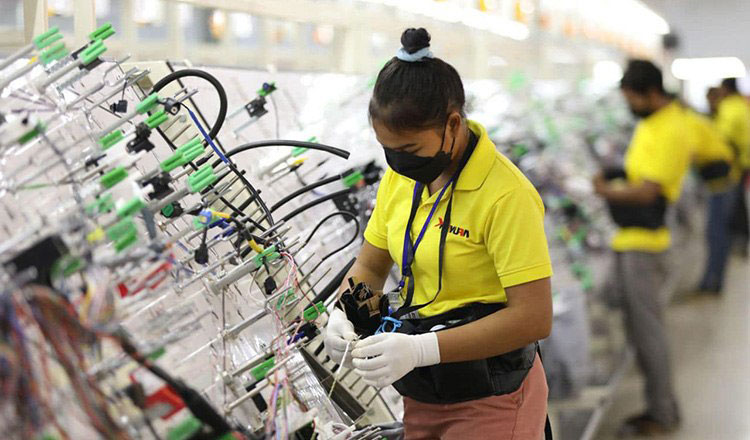
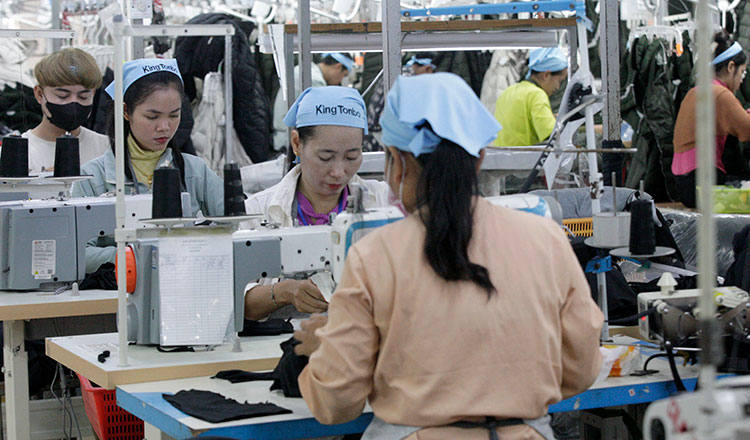
Cambodia’s garment sector, which employs nearly one million workers and generated $13.74 billion in export revenue in 2024, remains the country’s largest export industry, accounting for 52 percent of export GDP. The sector is expected to play a critical role in sustaining economic growth and employment after the country’s anticipated graduation from LDC status.
According to the report, international brands remain committed to ambitious sustainability targets under initiatives such as the UNFCCC Fashion Charter, the Science Based Targets initiative (SBTi) and RE100. Many of the world’s leading apparel companies have pledged to source 100 percent renewable electricity and significantly reduce emissions across their supply chains by 2030.
As a result, factories that cannot demonstrate the use of verified renewable energy may face increasing risks of losing orders as brands shift production to suppliers better positioned to meet environmental requirements.
However, EnergyLab says Cambodia is well placed to turn this challenge into a competitive advantage.
“Energy policy is no longer a niche environmental priority. It is an economic resilience imperative and a competitiveness priority,” said Dean Rizzetti, Energy Policy Director at EnergyLab.
“Cambodia has one of the cleanest electricity grids in Southeast Asia and a rapidly growing solar capacity. With the right policy signals, the garment sector can electrify and lead the world in decarbonisation,” Rizzetti said.
The report notes that by aligning energy policies with international sustainability standards, Cambodia can provide valuable non-financial incentives that help retain existing buyers, encourage them to expand production and attract new global brands seeking credible low-carbon sourcing destinations.
Analysts say such advantages could become increasingly important as Cambodia loses some of the trade preferences and special treatment associated with its LDC status.
The study highlights clean energy as a potential driver of new investment not only in existing garment factories but also in higher-value Tier 2 manufacturing, including woven fabrics, knitted textiles and dyeing operations. Expanding domestic production of these materials would help Cambodia move up the garment value chain, reduce reliance on imports and increase value addition within the country.
“Realising this clean energy opportunity would have immediate benefits and lay a path for enhanced long-term growth,” said Natharoun Ngo Son, EnergyLab Country Director.
“Maximising the potential of clean energy could directly protect Tier 1 production and support Tier 2 production, moving Cambodia up the garment value chain and continuing to anchor the garment sector to the national economy for decades,” he noted.
The report also argues that Cambodia has the potential to become one of the world’s first garment-producing countries powered almost entirely by renewable electricity. Unlike many competing manufacturing destinations, Cambodian factories have limited dependence on coal-fired thermal energy, creating favourable conditions for a transition to cleaner energy sources.
To capitalise on the opportunity, EnergyLab recommends accelerating the rollout of renewable energy certificates, adapting rooftop solar regulations to suit the garment industry and exploring Corporate Power Purchase Agreements (C-PPAs), which would allow factories to buy electricity directly from renewable energy producers.
The report says that swift energy policy reforms will help Cambodia transform global climate pressure into a powerful economic opportunity, securing the future of its garment industry while strengthening its position in increasingly sustainability-conscious global supply chains.
- 16:23 04/06/2026