ASEAN+3 growth projection unchanged, but inflation likely to trend higher
ASEAN+3 growth projection unchanged, but inflation likely to trend higher
AMRO released an interim update to its regional economic outlook today, maintaining ASEAN+3 growth at 4.0 percent in 2026 as projected in early April, while raising its inflation projection to 1.8 percent from 1.4 percent, reflecting more prolonged disruptions from the Middle East conflict.

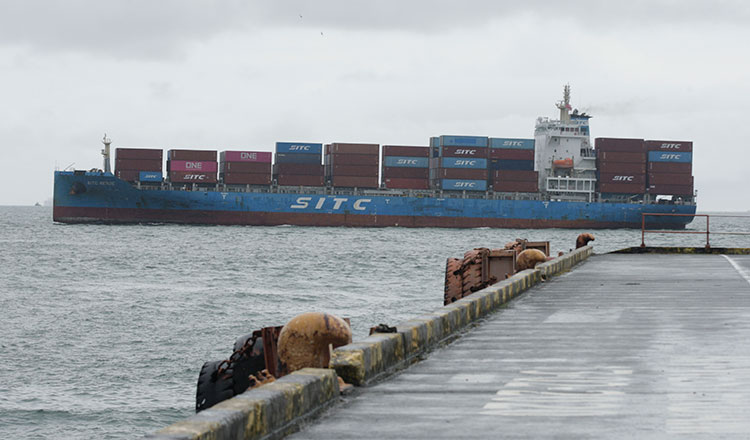
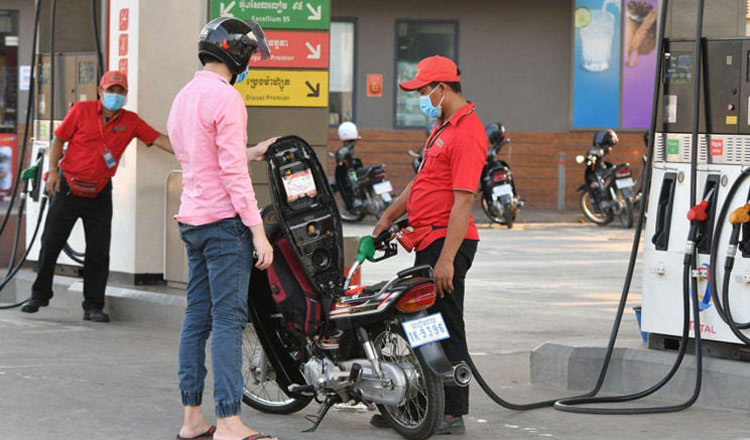
The update comes as the conflict enters its fourth month, proving more protracted than earlier expectations of a resolution within two months. Energy, commodity, and logistics costs have surged and remain elevated, while supplies of petroleum products have tightened. Early signs of disruptions have also emerged in industrial inputs, including helium, sulfur, and fertilisers, although broad-based market dislocations have so far been avoided.
“ASEAN+3 growth has remained resilient, supported by firm domestic demand and technology exports. But incipient signs of stress are emerging,” said AMRO Chief Economist Dong He. “Higher energy and transport costs are feeding into inflation and adding pressure on industrial supply chains. If the conflict persists, these pressures could broaden and weigh on regional growth.”
While first-quarter growth was stronger than expected, the full impact of the Middle East conflict has yet to materialise. Higher energy and industrial input costs, alongside continued tariff uncertainty, are expected to impact the region unevenly, with net energy importers and economies exposed to affected inputs facing stronger headwinds.
The duration and severity of the Middle East conflict remain the most salient near-term risks to the outlook. Under an adverse scenario in which oil prices average $125 per barrel in 2026—compared with the baseline assumption of $95 per barrel—and supply disruptions worsen further, ASEAN+3 growth could slow to 2.5 percent, while inflation could rise to 3.5 percent. Excluding the COVID-19 pandemic years, this would mark the highest regional inflation in more than a decade and the slowest growth since the Asian Financial Crisis.
“Against this backdrop, policy responses need to remain agile as the shock evolves,” He added. “Near-term support should be targeted and temporary, while longer-term efforts should focus on strengthening energy security, supply-chain resilience, and regional integration.”
- 08:04 03/06/2026