How US rate cut could lift Cambodia’s economy
How US rate cut could lift Cambodia’s economy
Fed’s move offers Cambodia an overall thrust, reinforcing a more supportive financial environment and strengthening investor confidence.
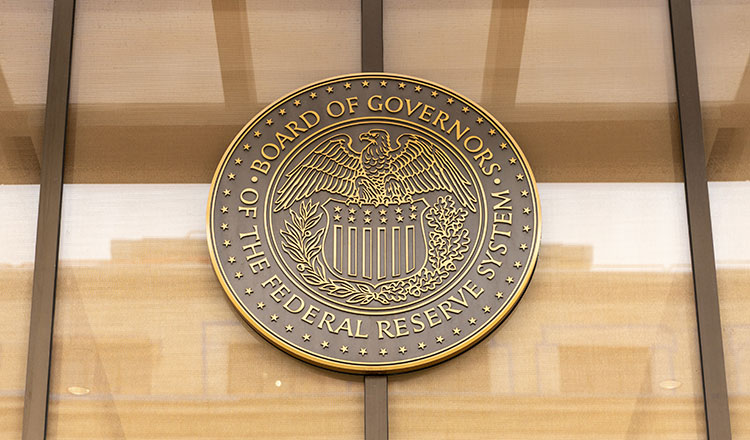
The US Federal Reserve’s decision on December 10, to trim interest rates by 0.25 percent — bringing the federal funds rate down to 3.50 percent-3.75percent, its lowest level in three years — sent an immediate ripple of optimism through global markets. It was the Fed’s third-rate reduction of the year, and investors wasted no time in embracing the prospect of easier financial conditions in 2026.
Wall Street rallied on the news. The S&P 500 advanced 0.2 percent to nearly 6,900 points, inching closer to another record high. The Dow Jones surged 1.34 percent to above 48,850, while the tech-heavy Nasdaq fell 0.3 percent to around 23,593. Commodities were swept up in the risk-on tide as well: gold climbed above $4,200 area, and silver breached an all-time high above $60. Even Bitcoin — conspicuously still in a downtrend, and trading below its previous peak — was overshadowed by the enthusiasm. Adding further fuel, the Fed unveiled a plan to purchase $40 billion in Treasury bills per month starting December 12, injecting fresh liquidity into a financial system already poised for momentum.
Cambodia’s market joins the upswing
The optimism travelled far beyond US borders. In Phnom Penh, the Cambodia Securities Exchange (CSX) mirrored the global mood, with most listed companies recording steady gains from December 1-17. Investor participation strengthened, and the market’s newest entrant, Picasso City Garden (PCG), delivered an energetic debut — jumping from its IPO price of 4,800 riels to 5,140 riels on its first trading day.
A debate brewing in Washington
Yet while markets responded with enthusiasm, a deeper and far more consequential debate is unfolding in the corridors of US political and financial power: the future independence of the Federal Reserve.
Tensions escalated on December 2, when President Donald Trump announced during a cabinet meeting that he had selected his preferred candidate to become Fed Chair in 2026, a choice widely interpreted as someone who would align more closely with his political agenda. The remarks reignited concerns that rate decisions might drift from economic fundamentals toward electoral considerations.
Throughout early 2025, Trump openly pressured current Chair Jerome Powell to accelerate rate cuts. Powell resisted, reiterating that monetary policy would remain guided by data, not politics.
Indeed, the Fed’s first cut in September came only after unemployment climbed from 3.7 percent to 4.4 percent and consumer spending slowed to its weakest pace since the post-pandemic recovery.
Looking ahead, the outlook becomes murkier. Fed governors have repeatedly signalled a cautious stance for 2026 amid persistent inflation risks, an approach that directly conflicts with the White House’s desire for more aggressive easing ahead of the midterm election.
The stakes are high. Economists warn that political interference in monetary policy can deal severe, lasting damage. Turkey stands as a stark cautionary tale. Years of political pressure on its central bank eroded investor confidence, sent inflation spiraling to 85 percent in 2022, and crushed the lira from 4 per US dollar in 2017 to 42 in 2024. Ratings downgrades and financial instability soon followed, an experience mirrored in Argentina, Venezuela, and Hungary.
The lesson is unmistakable: robust central bank independence is not merely technical; it is the backbone of financial stability.
What the US cut means for Cambodia
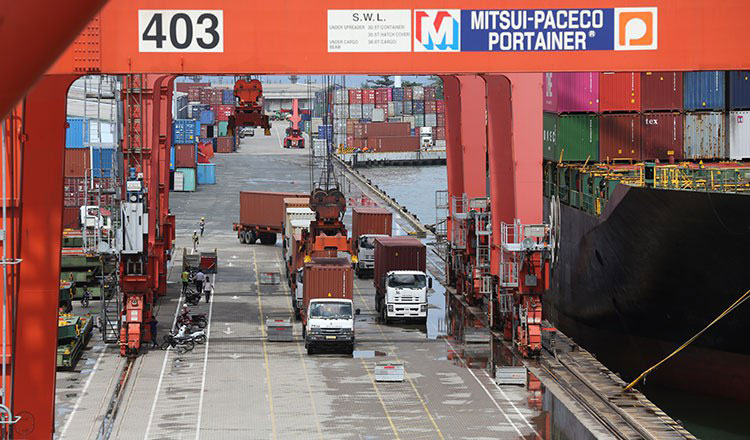
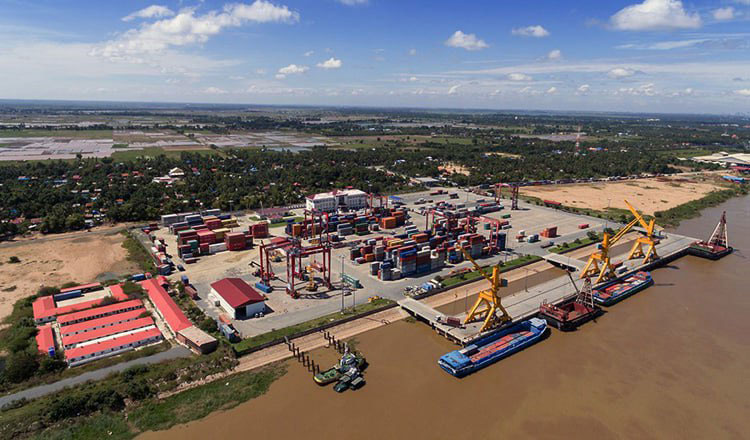
While Washington navigates this delicate balancing act, countries like Cambodia are poised to benefit from the immediate effects of the Fed’s decision. Lower US interest rates generally stimulate business activity, consumer spending, and investment, forces that indirectly boost demand for Cambodian exports, from garments and footwear to agricultural products.
Andrew Sullivan, Director of Investor Relations at Royal Group Funds, notes that declining US rates often translate into lower global borrowing costs. Over time, those effects filter into Cambodia’s financial system.
“Lower borrowing costs leave households and businesses with more disposable cash,” Sullivan explains. “That can translate into higher spending, renewed investment in the stock market, or even the ability for companies to hire more workers.”
Still, he cautions that the benefits will not materialise overnight. Consumer sentiment may improve quickly, but broader economic gains will take time to unfold. He also warns that recent border tensions and isolated shootings, if amplified by international media, could temper tourism recovery despite improving financial conditions.
Even so, Sullivan remains confident that the Fed’s move offers Cambodia an overall lift, reinforcing a more supportive financial environment and strengthening investor confidence. For a country whose exports are closely tied to US consumption and whose capital market is steadily gaining depth, American monetary policy will continue to play an outsized role in shaping Cambodia’s economic trajectory.
- 08:55 19/12/2025