From rewards to recognition, Visa customers' loyalty is being redefined
From rewards to recognition, Visa customers' loyalty is being redefined
Visa’s research surveying 1,000 consumers in Việt Nam found that 57 per cent were open to using AI agents to help them shop online, compared with 50 per cent across the Asia-Pacific.
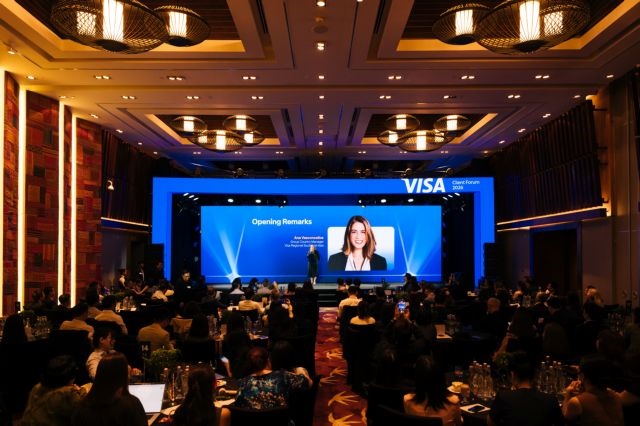
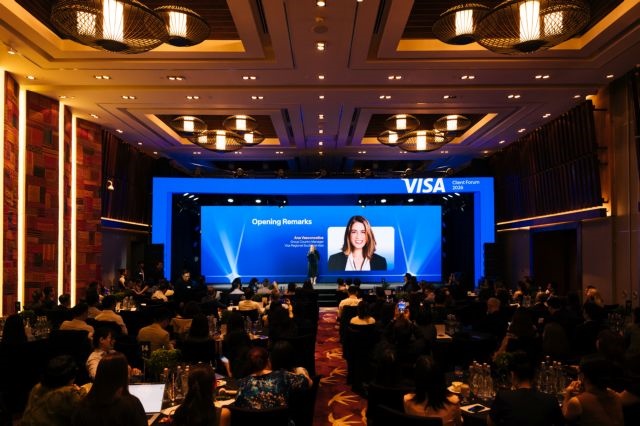
Ana Vasconcellos, group country manager at Visa Regional Southeast Asia, speaks at the event. — Photo courtesy of Visa |
The number of affluent households in the Asia-Pacific region is projected to grow at an 8 per cent compound annual growth rate through 2030, according to a 2026 white paper from global payment technology company Visa.
The white paper also highlights a broader shift in what premium means, with affluent consumers increasingly seeking meaningful, personalised and experience-led living.
The AP 2026 Economic Outlook from Visa Business and Economic Insights identifies travel as the Asia-Pacific’s hottest purchase category.
“Southeast Asia is one of the world’s most dynamic regions, and we are seeing consumer expectations evolve just as quickly. The growing affluent consumer segment, increased travel and the emergence of AI are reshaping how people engage with commerce,” said Ana Vasconcellos, group country manager at Visa Regional Southeast Asia.
Changing expectations for premium and travel
Banks are increasingly rethinking customer loyalty, moving beyond transaction-based rewards to tailor services and benefits to customers’ spending patterns and preferences.
Travel is one area where this approach is gaining relevance. Customers use payment services at multiple stages of a trip, from booking flights and making overseas payments to dining and purchasing experiences at their destinations. This gives banks opportunities to engage customers throughout the travel journey, provided transactions are secure and convenient.
Visa’s 2026 white paper shows that consumers in the Asia-Pacific region are placing greater emphasis on personalised and meaningful experiences, rather than traditional indicators of status. This presents an opportunity for banks to review how they design premium services and loyalty benefits.
“Whether supporting Vietnamese travellers overseas or welcoming visitors to Việt Nam, seamless and secure payments help people travel with confidence. Working with banks and partners, we can improve the travel experience, support tourism’s contribution to the economy, and advance Việt Nam’s digitalisation and tourism ambitions,” said Kelvin Tanu Utomo, head of products and solutions at Visa Vietnam and Laos.
AI and the future of commerce
AI is adding a new dimension to the customer journey.
Visa’s research surveying 1,000 consumers in Việt Nam found that 57 per cent were open to using AI agents to help them shop online, compared with 50 per cent across the Asia-Pacific. These tools could help consumers search, compare and complete purchases, although privacy, accuracy and unauthorised payments remain important concerns.
The next shift could see AI move beyond recommending and comparing options towards acting on a consumer’s behalf, including completing transactions.
This places greater emphasis on trust. 45 per cent of consumers surveyed by Visa in the Asia-Pacific would be more open to AI-powered or agentic commerce if they had stronger assurances around payment security.
For banks, the opportunity is not simply to add AI to existing services. It is to make everyday experiences easier and more relevant while maintaining the seamless and secure payments, reliability and consumer control that trusted commerce requires.
- 15:02 10/11/2026