Different stations may sell petrol at different prices under a draft decree
Different stations may sell petrol at different prices under a draft decree
The draft is being developed with aims to streamline the supply chain to improve transparency and efficiency, give businesses greater authority to set prices and moving the fuel market towards a market-based mechanism, and to accelerate digital transformation and data-based market management.
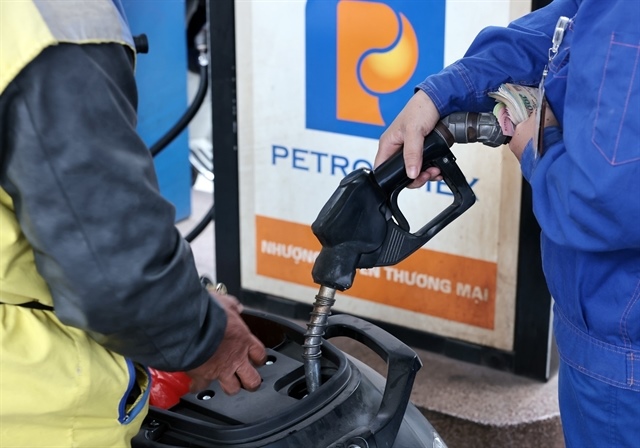
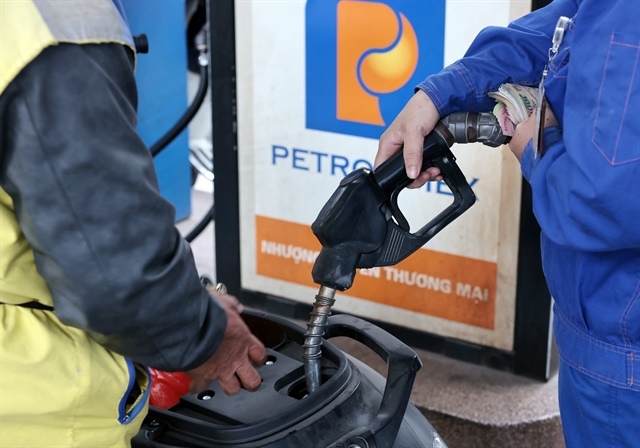
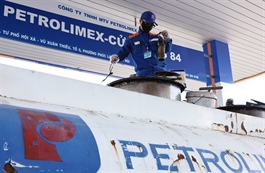
At a petrol station of Petrolimex. Việt Nam is considering to bring fuel pricing back to a market mechanism. — VNA/VNS Photo Trần Việt |
The Ministry of Industry and Trade is considering a new mechanism that would allow fuel companies to set retail prices based on market conditions, which might result in different prices at individual petrol stations and price changes several times a day.
The proposal was discussed at a consultation meeting on September 20 to gather feedback on the 14th draft of a decree to replace existing regulations on petrol business.
The draft is being developed with aims to streamline the supply chain to improve transparency and efficiency, give businesses greater authority to set prices and moving the fuel market towards a market-based mechanism, and to accelerate digital transformation and data-based market management, the ministry said.
Under the draft, the Government would no longer periodically announce a uniform retail price Instead, fuel wholesalers and distributors would determine retail prices using a formula covering purchase costs, supply costs, regulated business expenses, profit and taxes.
"This is a fundamental change to bring fuel prices back to a market mechanism," Trần Hữu Linh, Director of the ministry's Domestic Markets Management said.
Once the mechanism takes effect, each petrol station may have a different price, he said, adding that prices at the same station could potentially rise in the morning and fall later in the day depending on the company's pricing policy.
Greater pricing flexibility could allow companies with lower costs and more efficient supply systems to reduce prices to attract customers while creating greater price differences between locations.
The proposed mechanism would require companies to disclose and connect pricing and business data with regulators.
Still, market stabilisation measures could be triggered if prices rise or fall continuously for one to four weeks, or if cumulative fluctuations of around 15-20 per cent occur over a short period and have a significant economic and social impact.
Possible measures include adjustments to taxes and fees, use of national reserves, minimum supply allocations and, in exceptional circumstances, direct state intervention in fuel prices.
The draft also seeks to restructure the fuel distribution system and reduce the number of intermediaries.
Linh said that Việt Nam currently had 26 fuel wholesalers, but around 10 of them accounted for 70-80 per cent of market share. Under the proposed rules, stricter requirements could reduce the number of eligible wholesalers to around 14-15.
The draft would require wholesalers to meet higher infrastructure and operating standards, including minimum port capacity, storage facilities and distribution networks. They would also have to demonstrate a minimum annual supply allocation of 300,000cu.m for two consecutive years, with licences to be revoked for failing to meet the requirement.
Wholesalers would also be required to provide authorities with connected data on inventories, storage facilities and tanks.
Participants at the conference called for clearer rules governing the timing of price announcements, price declarations and the calculation methodology.
Petrolimex, one of the country's largest fuel distributors, called for clearer criteria on when the stabilisation mechanism would be activated, particularly regarding the proposed 15-20 per cent price fluctuation threshold.
Deputy Minister of Industry and Trade Nguyễn Viết Sơn said fuel remained an essential commodity affecting production, business, people's lives and national energy security.
"Reforming the management mechanism must go hand in hand with ensuring supply, maintaining the distribution system and the ability to respond to unusual situations," Sơn said, adding that these issues would continue to be reviewed before the draft is submitted.
Fuel demand is expected to be higher in the final three months of the year. A potential shortage of diesel on global markets is also emerging and could become a concern for Việt Nam.
- 07:59 02/10/2026