New rice trade rules take effect from October
New rice trade rules take effect from October
Under the decree, Vietnamese traders from all economic sectors that meet the prescribed conditions and obtain a certificate of eligibility for rice export business are entitled to conduct rice exports.
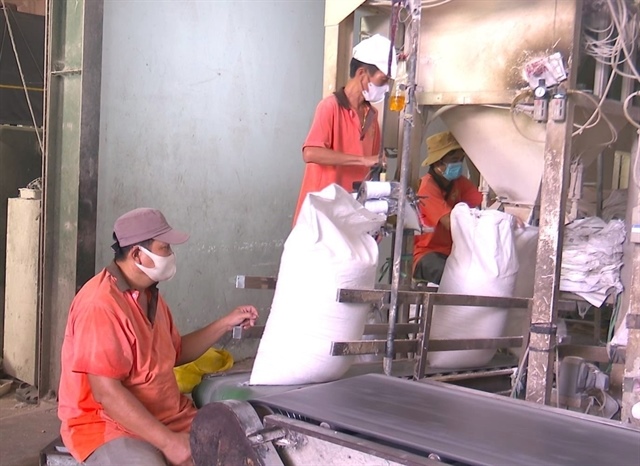
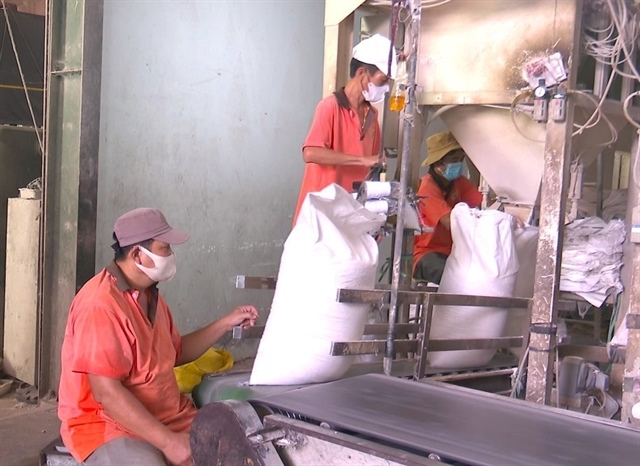
Workers packaging rice bags at a plant in Tây Ninh Province. — VNA/VNS Photo |
Việt Nam has introduced new rules governing rice exports and imports, including requirements for exporters of certain specialised rice products and clearer conditions for traders seeking to participate in the rice export business.
Deputy Prime Minister Phạm Gia Túc has signed Government Decree No. 365/2026/NĐ-CP on rice export and import business, which will take effect on October 1.
Under the decree, Vietnamese traders from all economic sectors that meet the prescribed conditions and obtain a certificate of eligibility for rice export business are entitled to conduct rice exports.
Foreign-invested enterprises may also conduct rice export business after obtaining a certificate permitting such activities in accordance with the decree, Vietnamese law and relevant international commitments.
Only traders holding the required certificate are permitted to undertake entrusted rice exports.
A notable change concerns exporters of organic rice, parboiled rice and rice fortified with micronutrients.
These traders are exempt from the general business conditions, the requirement to obtain a certificate of eligibility for rice export business, circulation-stock requirements and related reporting obligations.
For other rice exporters, the decree requires traders to have at least one specialised warehouse for storing paddy and rice and at least one rice milling facility that meets food safety requirements as well as applicable technical standards and regulations.
The warehouse and milling facility may either be owned by the trader or rented under a written contract, provided that the rental period covers the validity period of the certificate of eligibility.
The regulations also set out circumstances under which a rice export business certificate can be revoked.
These include cases in which a trader does not appear as the exporter named on export customs declarations for 12 consecutive months, fails to maintain the required business conditions, provides inaccurate information about its warehouse or milling facility, or commits fraud in obtaining the certificate.
The new rules also introduce requirements for rice importers. Within 45 days of the decree taking effect, rice importers must register their rice import plans with the Ministry of Industry and Trade.
The assessment of the credibility of rice export traders will begin on January 1, 2028.
The decree also establishes transitional provisions for businesses already operating under the existing regulatory framework.
Traders that have been issued certificates of eligibility under Decree No. 107/2018/NĐ-CP, as amended by Decree No. 01/2025/NĐ-CP, may continue their operations until the expiry of their existing certificates.
They are not required to apply for new certificates unless they seek reissuance, amendment or supplementation under the new regulations.
- 08:33 29/09/2026