Rethinking productivity to drive a new growth model
Rethinking productivity to drive a new growth model
The combination of traditional tools and modern technologies is enabling many Vietnamese enterprises to make significant breakthroughs, helping build a modern productivity and quality ecosystem and driving a new growth model.
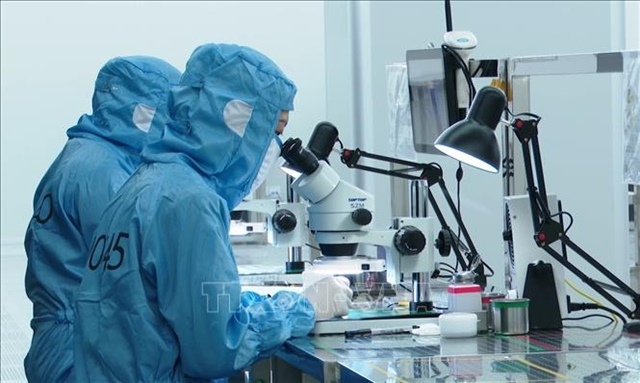
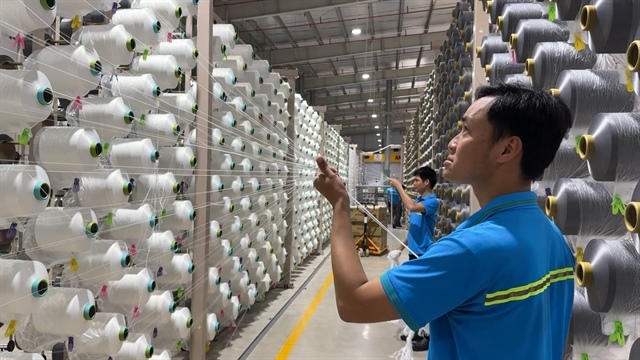
Workers conducting core technology research. — VNA/VNS Photo |
Amid rapid changes in the global and domestic economies, productivity and quality in the new era are no longer simply about expanding scale or optimising costs. Instead, they increasingly depend on the ability to harness technology and data while pursuing sustainable development.
The combination of traditional tools and modern technologies is enabling many Vietnamese enterprises to achieve substantial productivity gains, helping build a modern productivity and quality ecosystem and driving a new growth model.
As Việt Nam accelerates the development of science and technology, innovation and digital transformation, this transition is creating both opportunities and challenges, said Nguyễn Nam Hải, chairman of the Commission for the Standards, Metrology and Quality of Việt Nam (STAMEQ).
Renewing the growth model based on higher productivity and quality has therefore become an urgent priority, he said. A new mindset is needed, with productivity measured not only by output but also by the value generated through innovation, the efficiency of resource utilisation and the sustainable value created for society.
This provides a strategic foundation for advancing the dual digital and green transition, helping enterprises strengthen their competitiveness and contributing to Việt Nam’s efforts to realise its development vision through 2045.
Việt Nam is moving towards a productivity and quality ecosystem that places enterprises at the centre and addresses practical management challenges.
To develop this ecosystem, enterprises need to adopt technologies and practices such as AI, big data, ISO 56001-based innovation management, digital traceability and environmental, social and governance (ESG) standards, alongside management tools that can be applied directly to production and business operations to optimise resources and improve international competitiveness.
Hải said institutional reform, technology adoption, digital transformation and advanced management tools would help raise national productivity and support a new growth model.
According to productivity experts, AI, the Internet of Things (IoT) and Big Data are becoming core technologies for transforming production management. They offer opportunities to raise productivity, improve product quality, strengthen competitiveness and enable enterprises to participate more deeply in global supply chains. Business decisions are increasingly supported by scientific analysis rather than relying primarily on experience, improving management accuracy and efficiency.
The integration of AI, IoT and Big Data is also accelerating the shift from traditional, experience-based production towards smart manufacturing. To make effective use of these technologies, however, enterprises need to invest in digital infrastructure, establish standardised data systems, develop digitally skilled workforces and adopt management systems based on international standards.
Deputy Minister of Science and Technology Lê Xuân Định said digital transformation and AI have brought profound changes worldwide. Technology is not only improving productivity, but also transforming management, quality control and market connectivity.
As markets impose stricter requirements for transparency, product quality, traceability and compliance, adopting digital platforms and AI has become essential to building a new growth model, he added.
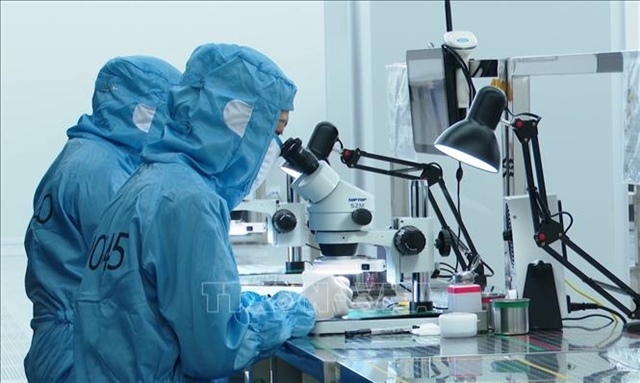
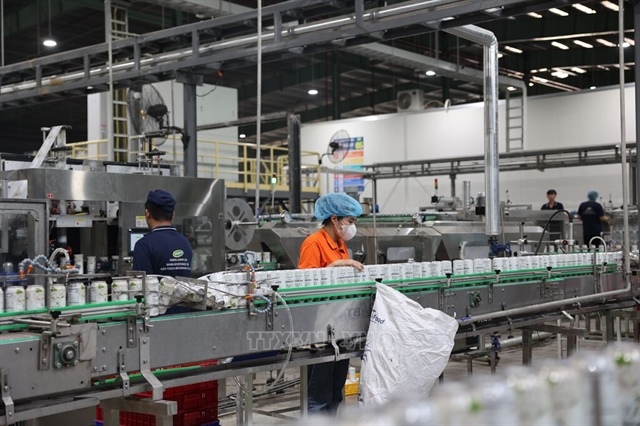
Workers conducting core technology research. — VNA/VNS Photo |
New drivers of productivity growth
Hải said Việt Nam is stepping up investment in standards, productivity and quality infrastructure. Developing a strong cadre of productivity and quality experts, strengthening communications and scaling up model productivity initiatives nationwide are among the key priorities.
STAMEQ is also expanding international cooperation, leveraging the Asian Productivity Organization network and global certification bodies to strengthen Vietnamese enterprises’ capacity for international integration in productivity and standards.
In coordination with ministries, sectors and localities, STAMEQ will carry out measures to renew productivity and build a modern productivity and quality ecosystem through 2030. The aim is to maximise opportunities arising from digital transformation and international integration, making productivity and quality a central driver of economic growth.
Nguyễn Tùng Lâm, director of the Vietnam Productivity Institute, said digital transformation would be one of the most important drivers of labour productivity growth over the coming decade. Digital management platforms can help enterprises monitor production processes, optimise supply chains and ensure quality from the outset.
Meanwhile, ESG is emerging as a new measure of the quality of corporate development and an increasingly important requirement for export markets, investment funds and global supply chains.
ESG practices can help Vietnamese enterprises meet international standards while combining productivity improvements with green transformation and international integration in pursuit of sustainable development.
- 08:28 24/08/2026