Cambodia’s fuel and fertiliser dependence exposes economy to global shocks
Cambodia’s fuel and fertiliser dependence exposes economy to global shocks
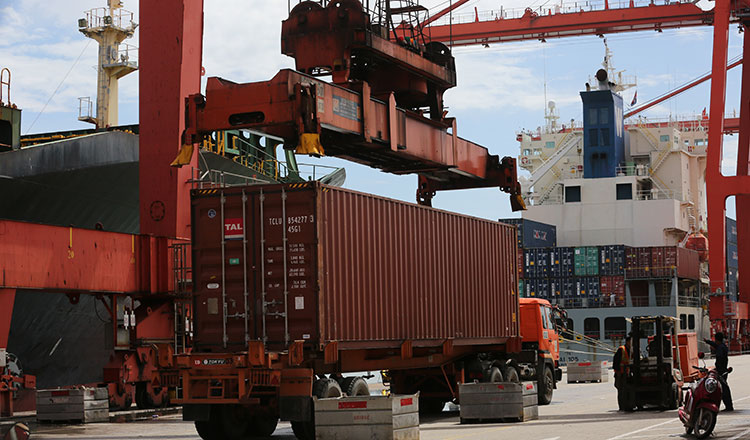
Cambodia’s heavy reliance on imported fuel and fertiliser leaves the national economy vulnerable to global energy disruptions, with rising prices threatening household incomes, agricultural production and economic growth, according to a new report.
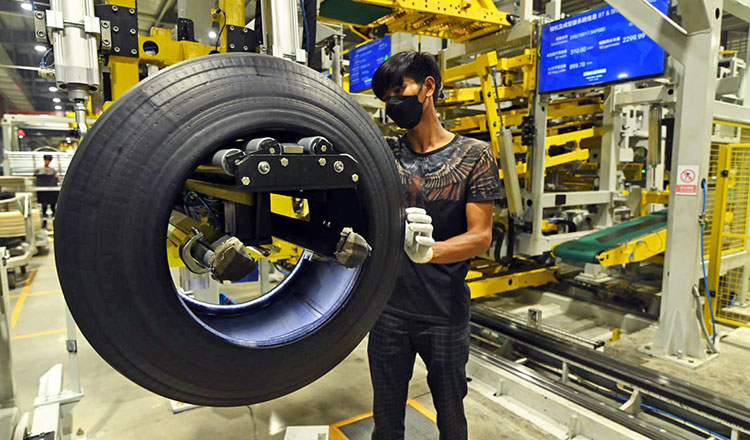
The study, published by the Cambodia Development Resource Institute in collaboration with Victoria University’s Centre of Policy Studies and the Asian Development Bank (ADB), examines the effects of higher international fuel prices and supply chain constraints originating in the Middle East.
ADB Country Director for Cambodia Yasmin Siddiqi noted that energy market volatility poses both a short-term risk to poverty-reduction gains and a structural development challenge. According to the report, if fuel prices rise to 50% above pre-shock levels, Cambodia’s economic output could contract by about 1%, placing severe pressure on rural farming households.
To counter these vulnerabilities, ADB Country Economist Milan Thomas highlighted that several of the report’s recommendations align with the government’s Comprehensive Intervention Program. This framework is backed by a $250 million concessional loan under the Rapid Intervention for Stabilisation of the Economy programme, approved on July 30.
The initiative provides targeted income support for vulnerable households, assistance for tuk-tuk drivers transitioning to green energy, and agricultural training. The report further recommends accelerating energy diversification, developing green skills and establishing strategic fuel and fertiliser reserves to cushion future external shocks.
- 08:05 25/08/2026