Cambodia attracts $4.7B in investment despite global challenges
Cambodia attracts $4.7B in investment despite global challenges
Despite geopolitical tensions, supply chain adjustments and slower global economic growth, the Kingdom continues to see FDI flows, attracting quality investment projects, reflecting investors’ long-term confidence in the country.
Amid global economic uncertainties, foreign direct investment (FDI) inflows into Cambodia remained resilient in the first half of 2026, despite declines in both the number of approved investment projects and the total value of investment compared with the same period last year.
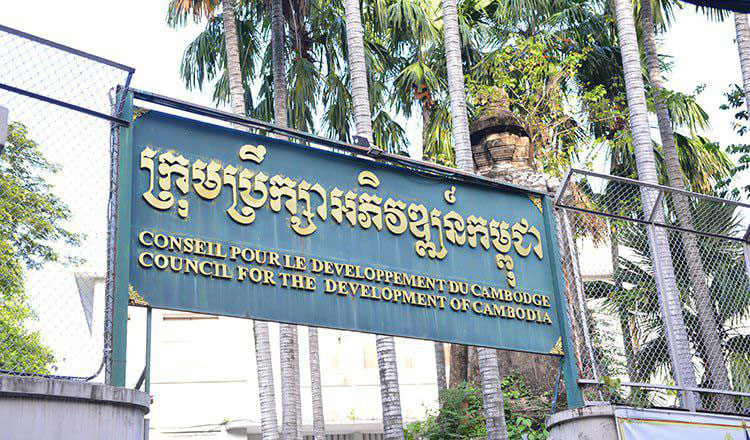
According to a report published yesterday, the Council for the Development of Cambodia (CDC) has licensed 276 fixed-asset investment projects, down 18.9 percent from 373 projects in the same period last year.
The investment capital approved between January and June reached $4.7 billion, down 26 percent from $5.8 billion in the same period last year, stated the report.
The approved projects would generate around 160,000 jobs.
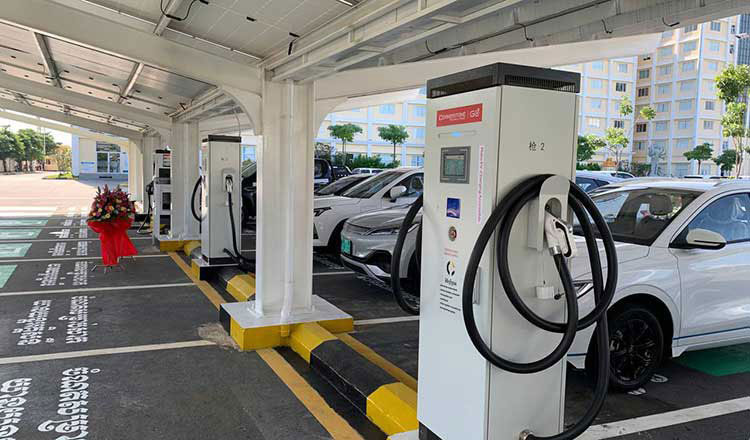
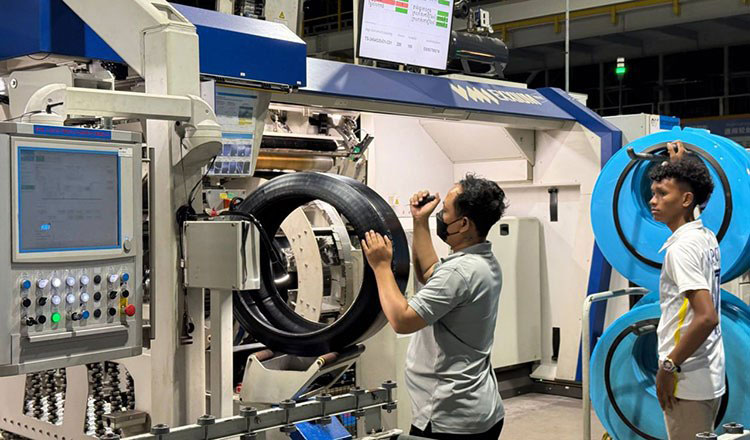
These ventures span a diverse range of industries, including special economic zones, wind, solar, and biomass power plants, an electric vehicle assembly plant, a motorcycle factory, a car tyre manufacturing facility, a five-star hotel, and an animal farm.
According to the report, 34 percent of the projects worth $95 million were licensed by the Capital-Provincial Investment Sub-Committees.
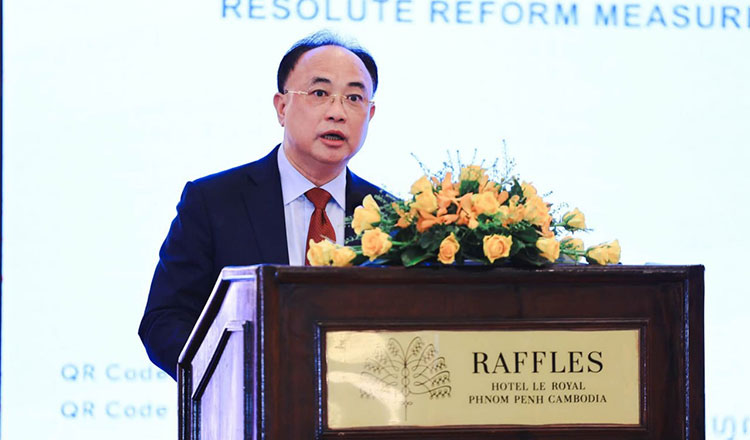
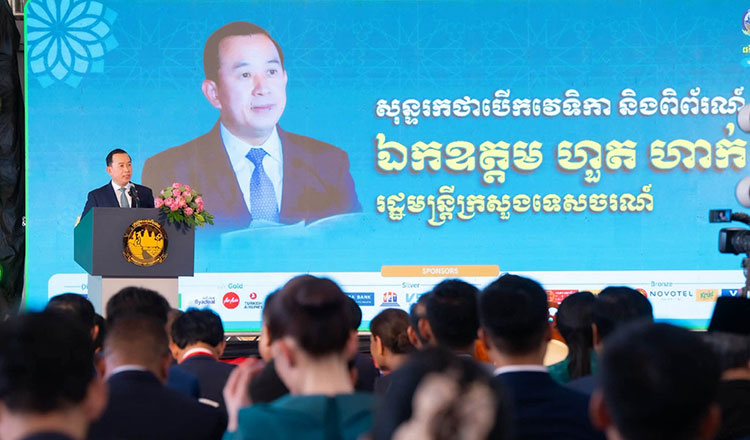
The Cambodian government continues to strengthen its competitive position through an ambitious reform agenda aimed at creating a more transparent, efficient and friendly business environment, said Deputy Prime Minister and CDC’s First Vice-Chairman Sun Chanthol.
“The government has accelerated institutional reforms to improve the investment climate by streamlining administrative procedures, reducing unnecessary bureaucracy and expanding digital public services,” Chanthol said in an event held last week in Phnom Penh.
The CDC has also enhanced its one-stop service mechanism to facilitate faster investment approvals while ensuring greater transparency and accountability, he said.
Cambodia’s modern legal framework, expanding network of free trade agreements, improving logistics infrastructure and young workforce continue to make the Kingdom an attractive destination for long-term investment, Chanthol added.
Additionally, the government has intensified efforts to attract high-value investments in technology, electronics, automotive components, green industries and value-added agriculture as part of its strategy to diversify beyond traditional labour-intensive manufacturing.
China remained the largest source of FDI to Cambodia, contributing 35.75 percent, followed by Singapore with 15.38 percent, CDC stated.
Other sources of investment included Malaysia, the Netherlands, the British Virgin Islands, the Marshall Islands, Samoa, Japan, and the US.
Vice President of the Cambodia Chamber of Commerce, Lim Heng, said the moderation in approved investment should not be interpreted as a weakening of Cambodia’s investment appeal.
“Despite geopolitical tensions, supply chain adjustments and slower global economic growth, Cambodia still continues to see FDI flows, attracting quality investment projects, reflecting investors’ long-term confidence in the country,” he said.
Heng noted that international companies are increasingly viewing Cambodia as an important production base within regional supply chains, supported by preferential market access through multiple free trade agreements and the country’s political and macroeconomic stability.
With strategic geographic location, participation in the Regional Comprehensive Economic Partnership, bilateral free trade agreements with China, South Korea, and the United Arab Emirates and the government’s commitment to improving the ease of doing business, position Cambodia as an increasingly attractive destination for investors seeking opportunities.
The government has made significant efforts to help the economy address the uncertainties, proactively reaching out to potential investors, diversifying trading partners, and making sure that exports will reach more countries outside of major economies.
The International Monetary Fund has recently revised Cambodia’s economic growth projection to 3 percent in 2026 due to higher energy prices, trade policy uncertainty, weak tourism, and subdued domestic demand.
It noted that structural reforms should strengthen Cambodia’s growth model by improving the business climate.
- 08:09 16/07/2026