Việt Nam’s Southeast risks losing grip on quality FDI without regional connectivity
Việt Nam’s Southeast risks losing grip on quality FDI without regional connectivity
Việt Nam’s Southeastern region, with its prime location, modern infrastructure, skilled talents, and investor-friendly climate, has long been a top spot for foreign direct investment (FDI). However, it’s still falling short in attracting the new-generation wave of FDI, highlighting the need for bold, game-changing solutions.
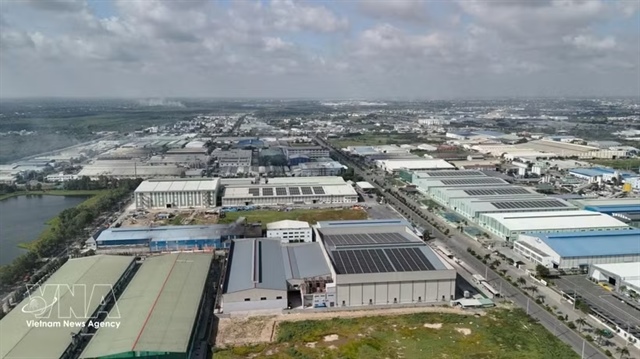
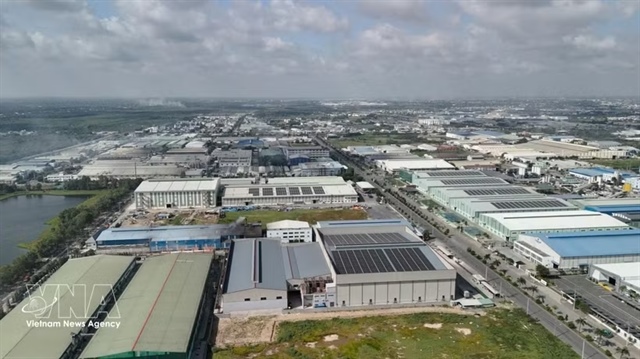
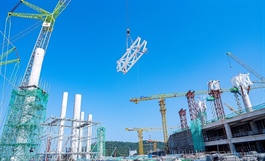
Home to 34 industrial parks, Tây Ninh draws nearly 1,500 FDI and over 1,100 domestic projects. — VNA/VNS Photo |
As the nation’s most dynamic economic engine, the Southeast accounts for the lion’s share of FDI, hosting nearly 23,000 projects worth more than US$205 billion. With global supply chains in flux, the region has moved quickly to ride the relocation wave, attracting a long list of multinational corporations.
Several localities have led green and high-tech investment projects that deploy advanced technologies, lift productivity and cut emissions. Still, despite commanding almost 42 per cent of total FDI inflows, the quality of that investment remains a concern.
Projects remain concentrated on assembly and processing. Investment in high technology, research and development, and initiatives with strong spillover effects is still modest. FDI inflows are starting to slow down as regional competition heats up and major anchor projects become harder to find.
A key drag is the limited level of regional connectivity. Localities frequently compete directly against one another rather than collaborating to maximise shared benefits.
For years, local areas have pursued FDI projects on their own rather than working together on a coordinated investment promotion strategy. This has led to a mix of different incentive policies and a race to give investors special treatment, which has scattered resources and hurt the region’s overall competitiveness. Meanwhile, regional connectivity infrastructure is still lacking, and logistics costs remain high.
Although several major infrastructure projects are underway, transport connectivity has yet to achieve a breakthrough. Delays on key corridors keep logistics and supply chain integration at a standstill. As a result, logistics expenses eat up roughly 18 per cent of production costs, dulling the region’s appeal to large-scale manufacturers and limiting its competitive edge.
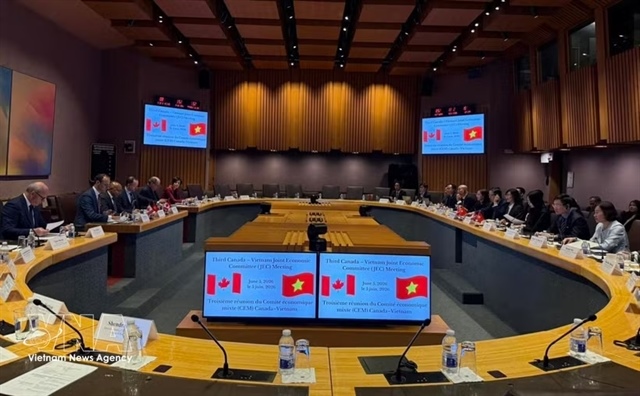
Given this context, there’s an urgent need to establish and enforce stronger regional coordination mechanisms to boost the region’s appeal for quality FDI. Breakthrough solutions in regional cooperation will be essential to improving both the volume and quality of investment inflows in the new era.
Looking ahead, the region should prioritise reforms in institutional frameworks, planning, infrastructure and inter-provincial cooperation. Each solution must come with specific tasks capable of delivering tangible improvements in regional connectivity.
In particular, an effective regional coordination mechanism should be established, enabling localities to align their FDI strategies and coordinate respective advantages.
It is important to expand and complete the key infrastructure projects that could form the backbone of regional connectivity. The ultimate goal is an integrated multimodal transport network that slashes logistics costs, shortens delivery time and burnishes the region’s attractiveness to quality investors.
- 15:31 06/06/2026